
Review · COFFEE EXPERIENCES
Local Community Tour(Cultural, Coffee,Village walk,Local food)
Come hungry, curious, and ready to participate. This private Kigali-area tour gives you far more than a quick look at rural Rwanda. You can cook with a local family, grind sorghum, smash bananas, learn traditional drumming, walk through the village, and share a meal served with traditional tools such as imbehe and inkoko. I especially like the hands-on food preparation and the chance to choose between home-host, farming, coffee, hiking, or adventure activities. The main drawback is price: at $170 per person, you will want to confirm which activities are included for your group before booking.
The tour also earns points for flexibility. You may spend your time on traditional dance, medicinal plants, cow milking, coffee preparation, or banana beer production, rather than simply following a fixed sightseeing route. I would also keep the guide’s name, Serge, in mind, since his drumming lesson was singled out as a highlight. Still, the day can last anywhere from four to seven hours, and the value depends heavily on how many activities your group chooses.
In This Review
- Key points at a glance
- Why this Kigali outing feels different
- Starting at 7:00 am from central Kigali
- Cooking, grinding, and eating with a local family
- Drumming and traditional arts with Serge
- Coffee from plantation to cup
- Banana beer, cattle, and farm life
- Village walking and conversations with local people
- Mount Jali hiking and optional camping
- What $170 means for value
- Who should book this Kigali cultural tour?
- Should you book it?
- FAQ
- Where does the tour take place?
- What time does the tour start?
- Where is the meeting point?
- Is pickup available?
- How long does the tour last?
- Is the tour private?
- What is included in the price?
- What should I bring?
- Can I choose different activities?
- Can I cancel for a full refund?
Key points at a glance
- Cook and eat with a Rwandan family: Prepare local food, use traditional serving tools, and share lunch in a home setting.
- Choose your main focus: Pick home-host activities, agro-tourism, or an outdoor option such as Mount Jali hiking.
- Try the banana-to-beer process: Visit a banana plantation, make juice, learn about fermentation, and taste banana beer.
- Learn coffee from plant to cup: The coffee activity explains the steps between plantation work and drinking the finished brew.
- Expect a private half-day outing: Transport, guiding, lunch, water, and soda are included, with pickup available.
- Pack for active village conditions: Bring sturdy hiking shoes, a rain coat, water, heavy snacks, and sugary drinks.
Why this Kigali outing feels different
Many city tours show you Kigali’s streets, memorials, and viewpoints. This one takes a more personal route. You spend time with a Rwandan family and take part in ordinary tasks that are often more revealing than a formal museum visit.
I like that the activities involve your hands. You do not just watch someone prepare food. You may smash bananas, grind sorghum grain on a stone, help prepare a traditional meal, and taste the result. That turns a cultural lesson into something you remember through texture, effort, and flavor.
The setting also gives the day a village rhythm. You can walk through the community, meet local people, hear stories, and learn about farming, medicinal plants, cattle, and household traditions. The program can include basket weaving, bee keeping, traditional archery, dancing, drumming, and storytelling, depending on what you select.
The choice matters. If you want a relaxed cultural day, focus on the home-host activities. If you enjoy food production, choose coffee or banana beer. If you want exercise and views, ask about Mount Jali hiking. You should not expect to do every activity in one short visit.
A couple more Kigali trips worth comparing
- Rwanda Half-Day Walking Food Tour
★ 5.0 · 35 reviews - Kigali: Guided Art, History, and Food Tour with Moto Ride
★ 4.9 · 34 reviews - Kigali City Tour with Local Expert & Local Food
★ 5.0 · 8 reviews
Starting at 7:00 am from central Kigali
The meeting point is Rwagasabo Safaris Rwanda on KN 3 Ave in Kigali, and the listed start time is 7:00 am. Pickup is offered, and transport is included, so confirm the exact pickup arrangement when you book.
An early start makes sense for this kind of outing. The day includes several separate activities, and some involve preparation rather than a quick demonstration. If your group wants cooking, coffee, village walking, and a longer outdoor section, an early departure gives the schedule more room.
The tour is private, meaning only your group participates. That is useful for families, couples, or friends who want to ask questions without holding up a large group. It also lets you spend more time on the activities that interest you most.
The duration is listed as about four to seven hours. One advertised version is about four hours, but the wider time range suggests that the final length depends on your choices, transport, and pace. Ask for a clear plan if you have an evening flight or another Kigali appointment.
Cooking, grinding, and eating with a local family
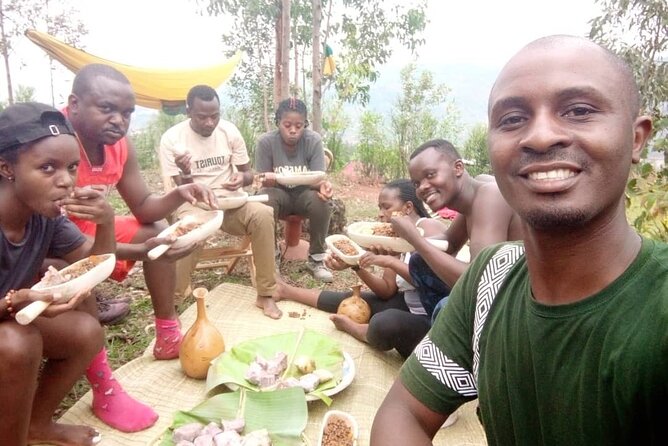
The home-host portion is the heart of the tour. You learn about local food, help prepare it, and eat lunch with the family. This is the part I would choose if you want direct contact with daily life rather than a string of short demonstrations.
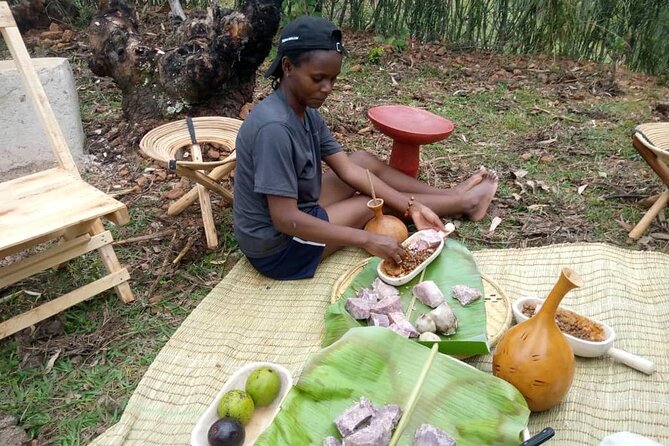
The work may include smashing bananas and grinding sorghum grain on a grinding stone. These tasks sound simple, but they show the labor behind familiar foods. You gain a better sense of how meals are made before modern kitchen equipment enters the picture.
Food is served using traditional tools, including imbehe and inkoko. The supplied information does not list a complete menu, so you should not book expecting a particular dish. Instead, treat the meal as a chance to taste what is prepared locally that day.
Lunch, bottled water, and soda are included. Personal expenses and extra snacks are not, so bring something small if you need food between activities. The advice to pack heavy snacks and drinks with sugar is especially useful if you choose hiking or spend several hours outside.
After the meal, the day continues with stories and conversation. This slower part is important. You get time to ask about the food, family life, village customs, and the meaning of the activities you have just tried.
Drumming and traditional arts with Serge
Traditional dance and drumming are among the strongest reasons to book this outing. You may watch a performance, but the better part is the chance to take part and learn the basic rhythm yourself.
One of the eight published ratings specifically praised the drumming lesson, and that makes sense. Drumming gives you an immediate way to join in, even if you know little about Rwandan music. It is active, social, and easy to remember after the tour ends.
Serge was praised by name as a strong guide. If he is assigned to your group, you can expect his role to matter most during the explanations and hands-on instruction. Guide quality can shape a private cultural visit, so it is reasonable to request Serge when making arrangements, though the supplied information does not promise that he will lead every departure.
Other traditional activities may include basket weaving, bee keeping, traditional archery, storytelling, and local plant identification. These are not all guaranteed as a single package. Ask which options are available for your date and how much time each one takes.
Further into the hills, and a longer day:
- Kigali City Tour
★ 5.0 · 452 reviews - Kigali: Walking Tour with a Local Guide
★ 4.9 · 234 reviews - One-day Akagera National Park Game Drive with a Choice 4×4
★ 5.0 · 105 reviews - Private Full-day Kigali City Tour with Pickup and Lunch
★ 5.0 · 79 reviews
Coffee from plantation to cup
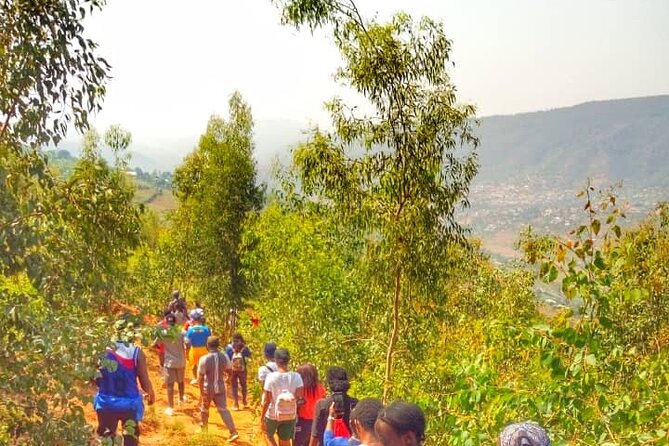
The coffee activity follows the path from a plantation to a finished drink. That phrase covers the main educational point: you see coffee as an agricultural product, not just something poured into a mug.
For coffee lovers, this can be one of the most useful choices. You can connect the work of growing and preparing coffee with the drink you order in Kigali cafés. The activity is also a good fit if you want an agricultural focus but do not want a strenuous hike.
The available details do not specify the exact coffee-growing site, processing method, or tasting format. I would ask whether you will see harvesting, drying, roasting, or brewing, since from plantation to cup can mean different levels of detail.
This is also a good option for a mixed-age group. It offers practical learning without requiring the physical effort of Mount Jali. If your group includes people with different interests, one person can focus on coffee while others choose a home-host or outdoor activity, depending on the schedule.
Banana beer, cattle, and farm life
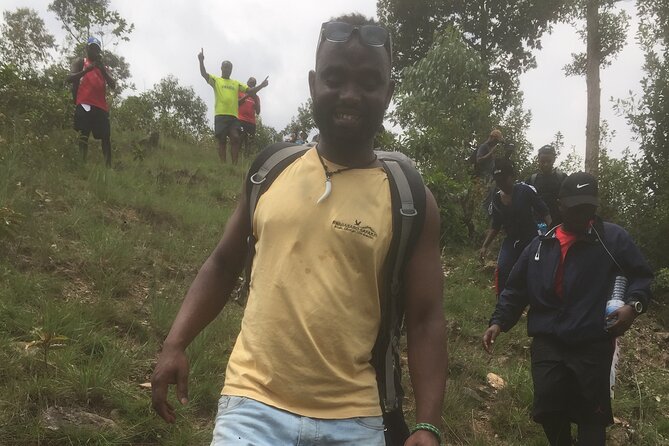
The banana beer activity begins at a banana plantation. You learn about making juice, fermentation, and beer tasting. The process gives you a direct link between crops, household production, and social customs.
The activity may include smashing bananas, which connects neatly with the food preparation section. You are not just hearing about the drink after it is finished. You see the raw material and take part in the early stages before tasting the result.
Banana beer is not the same as a commercial bottled beer. The point here is local production and tradition, so keep your expectations focused on learning and tasting rather than a polished brewery visit. The supplied information does not state the alcohol level or serving size, so ask your guide if that matters to you.
You may also choose a traditional cattle activity, including meeting cows and learning how milking is done. This adds another useful piece of rural life. Cattle are presented here as part of household and community routines, not simply as animals to photograph.
Other farming activities can include medicinal plants and local plant taxonomy. This portion may appeal to anyone interested in how communities identify useful plants and connect them with healing. Do not assume that the tour provides medical advice or treatment. It is a cultural and educational activity.
Village walking and conversations with local people
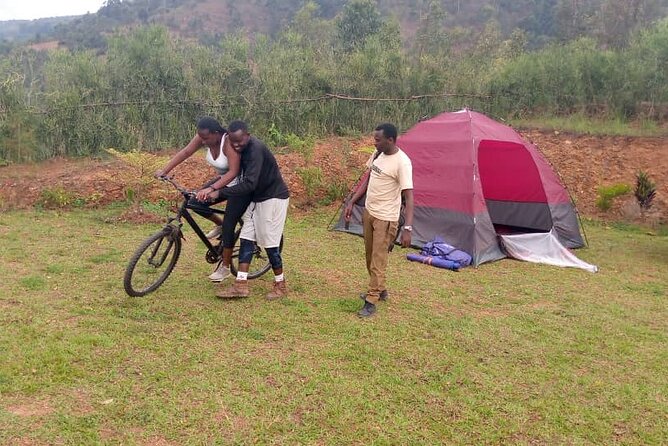
The village walk links the separate activities together. You move beyond the host family’s home, meet local people, and see more of the community.
I like the walk because it gives context to the food and farming lessons. A banana plantation, cattle activity, or medicinal plant discussion means more when you also see the surroundings where those practices fit into daily life.
The pace and route are not specified. Wear practical shoes, especially if you plan to combine the walk with hiking. A rain coat is recommended during the rainy period, and Rwanda’s weather can make a short outdoor route feel quite different from a dry morning route.
This is a cultural visit, so your attitude matters. Ask before taking photographs, listen when people share stories, and take part without treating the village as a stage set. The strongest moments are likely to come from ordinary conversation and shared work.
Mount Jali hiking and optional camping
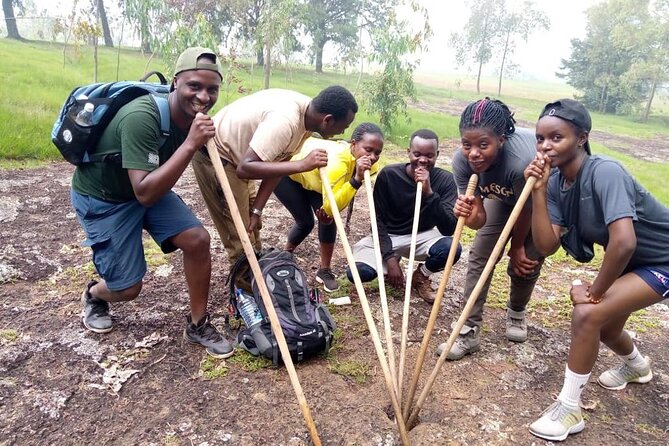
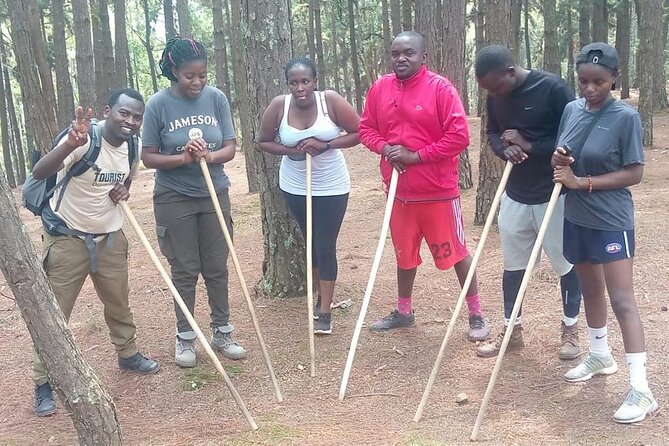
The adventure choices add a more active edge. You may choose a hard, high, or medium-elevation hike on Mount Jali, with views enjoyed using binoculars and hiking sticks.
The descriptions do not give a distance, elevation gain, or exact walking time. That makes it important to discuss the route before setting out. Ask which difficulty level is planned and what equipment is provided.
Bring hiking shoes, water, heavy snacks, sugary drinks, and a rain coat. These are not decorative packing suggestions. The hike could make the day more tiring than the standard four-hour cultural visit, particularly if you choose a harder route.
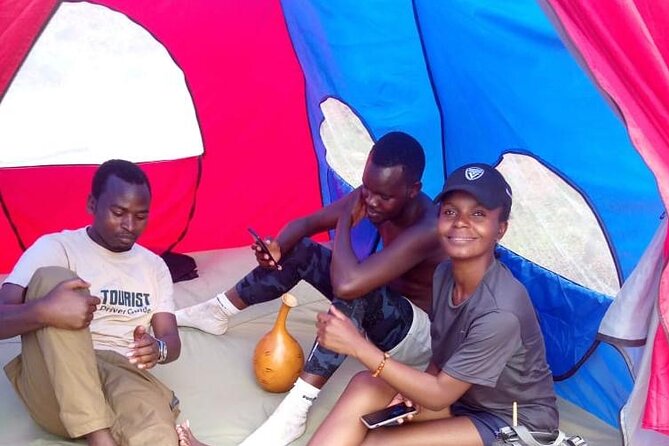
Camping is also listed as an adventure option, but the supplied details do not state whether it is part of the same day, an overnight extension, or an additional arrangement. If camping interests you, confirm the length, equipment, meals, and exact cost before paying.
For most people, I would treat hiking as an optional add-on rather than the main reason to book. The tour’s clearest strength is its family and food contact. Mount Jali makes sense if you want to pair that cultural time with outdoor activity.
What $170 means for value
The price is $170 per person, with the final price varying by group size. That is a significant amount for a four-hour outing, especially if you select only one or two short activities.
The value improves when you use the private format well. Transport, entrance permission, guiding, lunch, bottled water, and soda are included. You also receive direct access to a family setting, hands-on cooking, and cultural activities that are difficult to arrange independently.
I would compare the price against the number of people in your group and the activities you want. A private group that spends much of the day cooking, walking, learning about coffee, and trying traditional arts may find the cost reasonable. A solo participant who receives a brief village visit and one demonstration may feel less satisfied.
One rating described the tour as overpriced for what was included, while still recommending it and praising the drumming. Another gave the full score and called the day real value for the money after seeing local food, dance, and culture. Those two reactions point to the central issue: the quality of the day is likely strong, but the price requires a full schedule.
Before booking, ask for three things: which activities are included, how long your chosen plan lasts, and whether any requested activity costs extra. That short conversation can prevent disappointment.
Who should book this Kigali cultural tour?
I would recommend it to you if you want a personal, participatory look at rural Rwandan life. It suits people who enjoy cooking, music, farming, conversation, and trying unfamiliar foods more than people who prefer a tightly scripted sightseeing route.
Families may like the variety, especially if children can take part in drumming, food preparation, or animal-related activities. Couples and small friend groups should appreciate the private format and the ability to shape the day.
Coffee fans should choose the plantation-to-cup option. Food-focused visitors should choose the home-host activities. People seeking a stronger physical challenge should ask about Mount Jali and the available hiking levels.
You may want to skip it if you have only a narrow window in Kigali, dislike shared meals, or want a precise menu and fixed timetable. The flexible format is an advantage for some people, but it also means you must clarify the details.
Booking is flexible in one useful way: cancellation is free up to 24 hours before the start time for a full refund. Within 24 hours, the payment is not refunded, and late changes are not accepted.
Should you book it?
Book this tour if you want to work with your hands, eat with a Rwandan family, and hear local stories in a village setting. The drumming lesson, cooking, and village interaction are the strongest draws, with Serge receiving particular praise for guiding.
I would book only after confirming the exact activity mix. At $170, you should aim for a full and varied day, not a short introduction. If the schedule includes lunch, several hands-on activities, and either coffee, banana beer, or hiking, the price may feel fair. If you want only a quick village walk, choose a less costly option.
FAQ
Where does the tour take place?
The tour is based in Kigali, Rwanda, and includes access to a local village and community setting.
What time does the tour start?
The listed start time is 7:00 am.
Where is the meeting point?
The meeting point is Rwagasabo Safaris Rwanda, KN 3 Ave, Kigali, Rwanda.
Is pickup available?
Yes. Pickup is offered, and transport is included.
How long does the tour last?
The tour lasts approximately four to seven hours. One version of the itinerary is listed as four hours.
Is the tour private?
Yes. Only your group participates in this private activity.
What is included in the price?
Transport, entrance permission, guiding fees, lunch, bottled water, and soda are included. The price varies by group size.
What should I bring?
Bring water, heavy snacks, drinks with sugar, a rain coat during the rainy period, and hiking shoes.
Can I choose different activities?
Yes. The choices are grouped into home-host, agro-tourism, and adventure activities. Options include cooking, dancing, drumming, coffee preparation, banana beer production, cattle and milking, village walking, Mount Jali hiking, and camping.
Can I cancel for a full refund?
Yes, if you cancel at least 24 hours before the experience start time. Cancellations or changes made within 24 hours are not refunded or accepted.
More Walking Tours in Kigali
- Kigali Walking Tour
★ 4.5 · 78 reviews - 1 Day Canopy Walk Adventure in Nyungwe Forest National Park
★ 5.0 · 32 reviews - Kigali City Center Guided Walking Tour
★ 5.0 · 19 reviews - Private Kigali City Walking Tour
★ 5.0 · 8 reviews
More Food in Kigali
- Vegan Fine Dining Experience
★ 5.0 · 5 reviews - Walking Food Tour in Remera and Kigali
★ 5.0 · 4 reviews - Rwandan and Syrian Food Tour
★ 5.0 · 4 reviews
Recently added in Kigali
- Vegan Fine Dining Experience★ 5.0 · 5 reviews
- Walking Food Tour in Remera and Kigali★ 5.0 · 4 reviews
- 2 Days Mountain Gorilla Safari Rwanda★ 5.0 · 4 reviews
- Traditional Drumming and Dancing Class★ 5.0 · 2 reviews
- Gorilla Trekking Adventure – A Day trip (Only transfer)★ 5.0 · 2 reviews
- Rwanda One Day Gorilla Trekking with Iby’iwacu Culture Visit★ 5.0 · 2 reviews
- Private Transfer from Kigali Airport (KGL) to Kigali★ 4.0 · 5 reviews
- One Day Mount Bisoke Hike Adventure Tour in Volcanoes Park★ 4.5 · 4 reviews
Coffee Experiences, compared.

Full Day Shared Akagera Safari Tour with Lunch and Coffee
Read our review →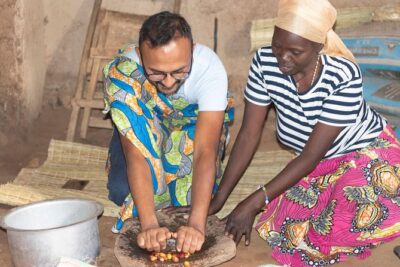

Private Half-Day Guided Kigali City Tour with Coffee Break Included
Read our review →Browse the lists this tour appears in