
Review · CITY TOURS
Kigali City Tour with Local Expert & Local Food
Kigali rewards curious walkers. I like the mix of city views and serious museums, from Mount Kigali to the Kigali Genocide Memorial, and I like having a local guide connect Kigali’s old neighborhoods with its carefully planned new districts. The included Rwandan lunch adds a useful taste of daily life, not just another restaurant stop. The main drawback is the packed schedule: six to eight hours can feel brisk, especially if you want long museum visits or plenty of market time.
This private tour is a good first day in Rwanda because pickup is available anywhere in Kigali or at the international airport. I also like that your group travels by private vehicle, with bottled water and a professional driver-guide included. Ask ahead about the lunch venue, since the tour details name both Afrika Bite and Elikapeka, and confirm whether the Campaign Against Genocide Museum admission is included for your booking.
In This Review
- Key points at a glance
- Why this makes a useful first day in Kigali
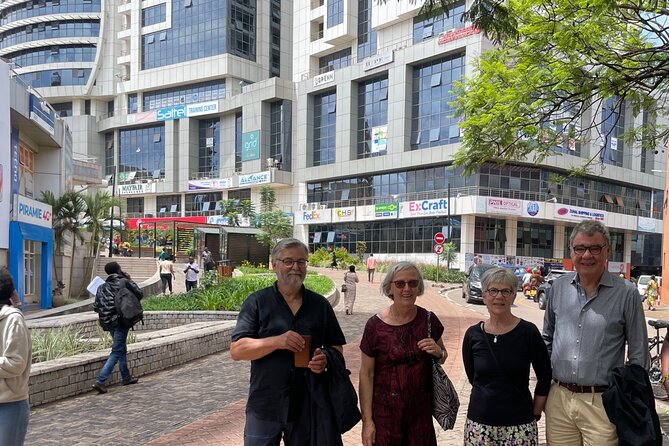
- Walking through central Kigali’s old and new sides
- Looking over the city from Mount Kigali
- Kandt House and Rwanda before colonial rule
- Taking time at the Kigali Genocide Memorial
- The Campaign Against Genocide Museum and Kigali’s northern views
- A Rwandan lunch in Kimihurura
- Choosing between Kimironko and the Nyamirambo Women’s Center
- Finishing with art at Niyo Arts Center
- What $135 covers, and where the value lies
- Who should book this Kigali day tour?
- Should you book it?
- FAQ
- How long does the Kigali City Tour take?
- Is pickup included?
- Is this a private tour?
- Is lunch included?
- What is included in the price?
- What can I see at the Kigali Genocide Memorial?
- Can I cancel for a full refund?
Key points at a glance
- Mount Kigali reaches 1,850 meters: A short drive from central Kigali brings you to one of the city’s best high viewpoints.
- The museums give the day weight: Kandt House explains Rwanda before, during, and after colonial rule, while the Genocide Memorial covers the 1994 Genocide against the Tutsi and Rwanda’s recovery.
- Lunch is local Rwandan food: Vegetarian and nonvegetarian meals are available, with lunch listed around Kimihurura.
- The tour is private: Only your group participates, so you can ask questions and adjust the pace within the day’s limits.
- Markets and art balance the difficult history: Kimironko Market, Niyo Arts Center, and a possible visit to the Nyamirambo Women’s Center add everyday culture and creativity.
- The $135 price buys convenience: Private transport, pickup, a guide, bottled water, lunch, and some museum admission are bundled together.
Why this makes a useful first day in Kigali
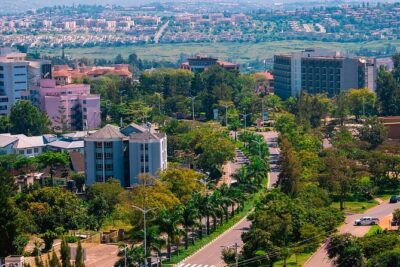
Kigali is often praised for its calm streets, greenery, cleanliness, and orderly feel. This tour gives you a broad introduction without making you solve the city’s transport puzzle on your own.
You move between central streets, high viewpoints, museums, a market, a meal, and an art center. That range matters. Kigali is not best understood from a car window alone, but the city’s hills make a private vehicle very useful. You can walk in the center, then ride up Mount Kigali, across to the museums, and on to neighborhoods that would be hard to connect efficiently by foot.
The private format is one of the strongest features. You are not tied to a large group, and only your own party takes part. A guide can explain what you are seeing in the moment instead of giving a fixed speech and moving everyone along. One published account gives special praise to Ben, who was described as an excellent host with a strong grasp of Rwanda and Kigali’s different areas.
The tour is commonly planned as a full day, lasting about six to eight hours. That leaves enough time for a solid overview, but not enough for endless browsing. If you stop often for photographs, spend a long time at both genocide museums, or shop seriously at Kimironko, the day may run toward the longer end.
A couple more Kigali trips worth comparing
- Rwanda Half-Day Walking Food Tour
★ 5.0 · 35 reviews - Kigali: Guided Art, History, and Food Tour with Moto Ride
★ 4.9 · 34 reviews - Local Community Tour(Cultural, Coffee,Village walk,Local food)
★ 5.0 · 8 reviews
Walking through central Kigali’s old and new sides
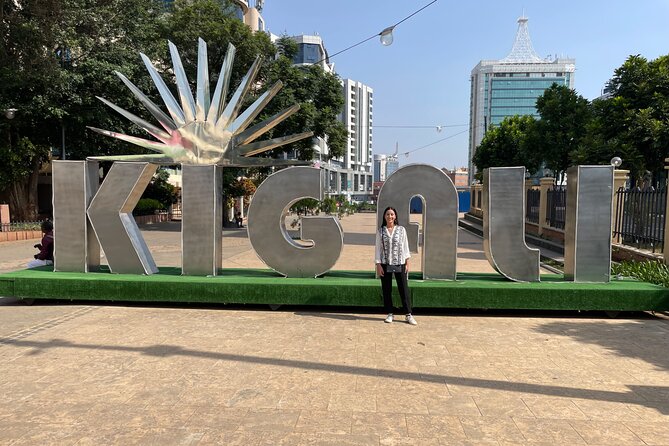
The first stop takes you into Kigali’s car-free center in Nyarugenge District. This pedestrian stretch offers a simple way to get your bearings. You can walk, rest, look at craft shops, and possibly find an exhibition or weekend entertainment.
What makes this opening useful is the contrast between Kigali’s older urban fabric and the newer city being planned around it. The tour presents the center as a meeting point between the Kigali that has developed over time and the Kigali being shaped for the next decade.
Do not expect a long guided hike here. The listed visit is about 30 minutes, so think of it as an introduction rather than a full shopping session. If souvenirs matter to you, note what catches your eye and ask your guide how much time can be allowed later. The short stop is enough to see the area, but it may feel brief if you want to browse every craft stall.
Looking over the city from Mount Kigali
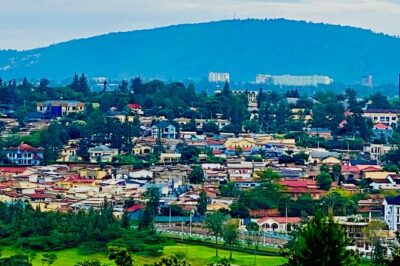
Mount Kigali is listed at 1,850 meters, the highest point in Kigali. From the city center, the drive takes roughly 15 to 20 minutes, passing around Biryogo and Nyamirambo before climbing toward the summit.
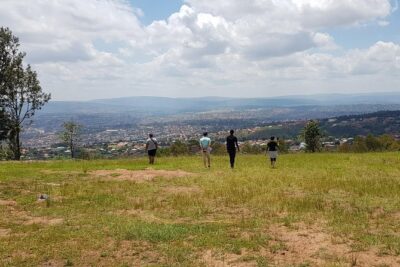
This is the moment when Kigali’s hilltop setting becomes clear. The high point gives you a wide view across the city and helps explain why routes that look close on a map can take time by road. I would pay attention to the guide’s orientation here, since a local explanation can turn a pretty view into a useful map of Kigali’s districts.
The stop lasts around 30 minutes and has no admission charge. That is enough for photographs and a short look around. Weather and visibility will affect what you see, and the schedule does not suggest a long walk at the summit. Treat it as a viewpoint stop, not a hike.
Kandt House and Rwanda before colonial rule
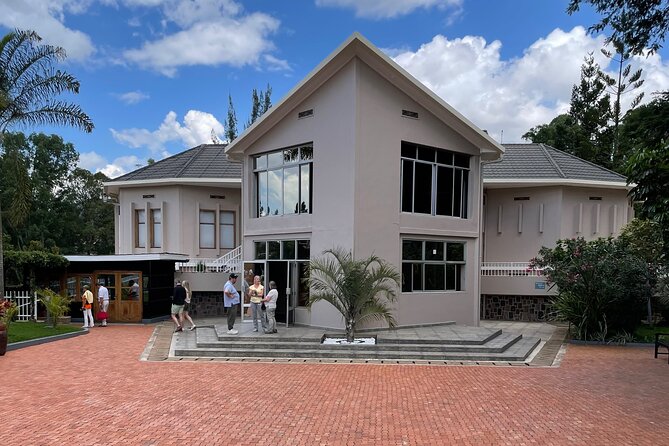
Kandt House Museum is scheduled for about an hour, with admission included. The museum is connected to Richard Kandt, Germany’s first colonial governor in Rwanda, and its displays cover more than his own career.
The first part looks at Rwandan social, economic, and political life before colonial rule. This section is especially important because it gives you a starting point beyond the colonial period and the events of the 1990s.
The second section examines German rule after the Berlin Conference of 1884, followed by Belgian control from 1916 under a League of Nations mandate. Kandt’s life and work in Rwanda are part of this story.
The final section follows Kigali before, during, and after the colonial era. Kigali became Rwanda’s capital at independence in 1962, so this stop helps explain how a city with a colonial past became the national center you see today.
An hour is a reasonable first visit, though the amount you absorb will depend on how much time you spend reading. This is one place where a guide adds real value. Dates and political changes can blur together, while a good explanation can connect the museum to the streets you have just crossed.
Further into the hills, and a longer day:
- Kigali City Tour
★ 5.0 · 452 reviews - Kigali: Walking Tour with a Local Guide
★ 4.9 · 234 reviews - One-day Akagera National Park Game Drive with a Choice 4×4
★ 5.0 · 105 reviews - Private Full-day Kigali City Tour with Pickup and Lunch
★ 5.0 · 79 reviews
Taking time at the Kigali Genocide Memorial
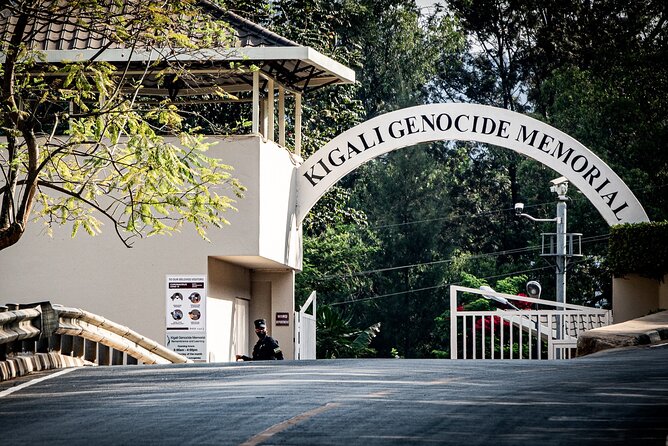
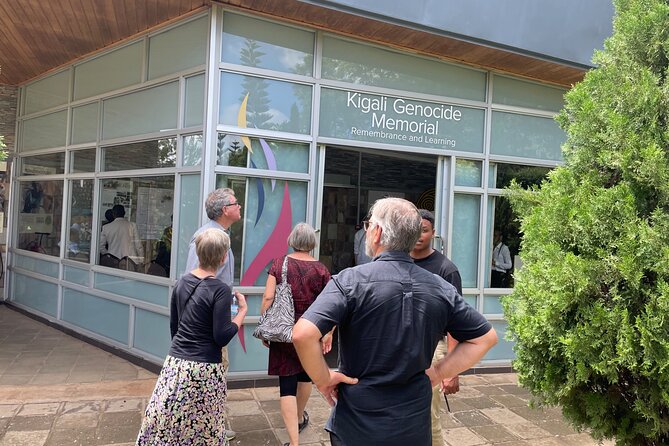
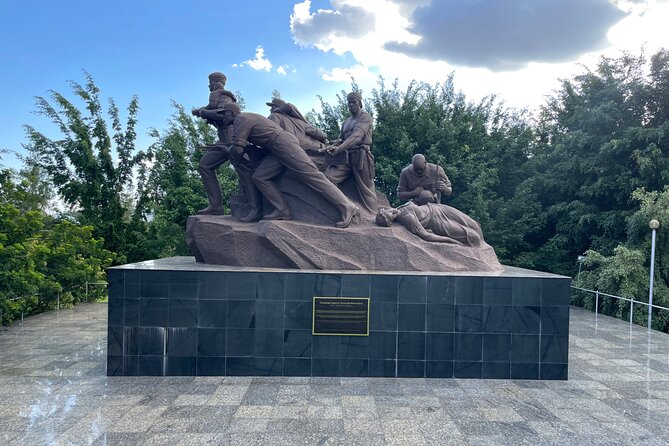
The Kigali Genocide Memorial is the most emotionally demanding stop. It is dedicated to the victims of the Genocide against the Tutsi in Rwanda and to the country’s road toward recovery.
The memorial was built at the burial site of 250,000 victims of the 1994 genocide against the Tutsi. Its museum explains the genocide, documents the suffering it caused, and includes material about other genocides around the world. The purpose is not only remembrance. It also asks you to consider how hatred grows and what societies can do after mass violence.
Admission is free, and the planned visit lasts about an hour. I would not treat that hour as a strict target if you need more time. At the same time, the schedule includes several later stops, so you should tell your guide if you want to linger and accept that another stop may need to be shorter.
This museum is central to understanding modern Rwanda. You can admire the country’s clean streets and rapid development, but the memorial explains the human cost behind its determination to rebuild. Approach it with quiet attention. It is not a quick photo stop.
The Campaign Against Genocide Museum and Kigali’s northern views
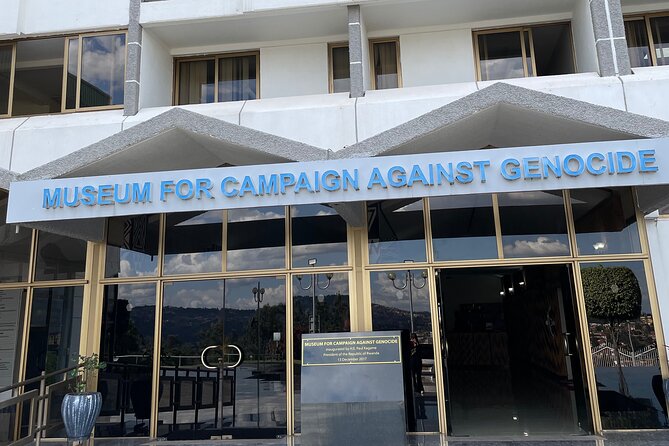
The newer Campaign Against Genocide Museum documents the Rwanda Patriotic Army’s efforts to stop the genocide. It also presents the role of the movement led by President Kagame in rebuilding Rwanda after the violence.
This museum offers a different angle from the Kigali Genocide Memorial. The memorial focuses on victims, remembrance, and the road to recovery. The Campaign Against Genocide Museum focuses on the military and political story of stopping the genocide. Seeing both can give you a fuller understanding, though the subject remains serious throughout.
The details indicate that admission to this museum and Kandt House may be included when that option is selected. Because the itinerary also describes the stop as free, confirm the exact admission arrangement before booking.
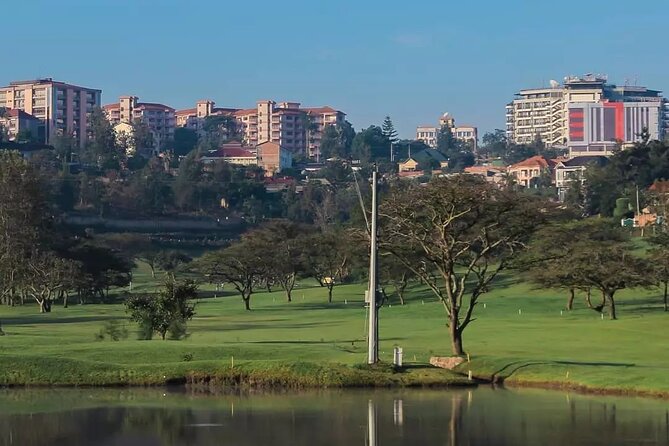
On the drive there, you pass views of Kigali Golf Club and Nyarutarama Golf Lake. The golf course is a nine-hole course in a green setting, while the lake offers a small nature break and birdwatching potential. You may not have time to play golf, but the area provides a welcome change after the museums.
The stop is listed at about an hour. Much depends on how that hour is divided among the museum, the drive, the golf view, and the lake. If you are interested in birds or golf scenery, mention it early so your guide can help manage the timing.
A Rwandan lunch in Kimihurura
Lunch is scheduled around Kimihurura, with local Rwandan food included. The description names Afrika Bite, while the inclusion details name Elikapeka, so ask which restaurant your booking uses.
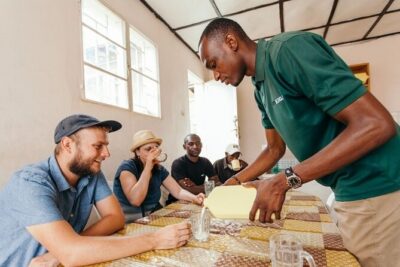
That small point matters because lunch is more than a pause between museums. A local meal gives you a practical connection to Rwanda’s food culture, and the tour specifically provides both vegetarian and nonvegetarian options. You do not have to arrange a separate midday meal or guess where to eat in an unfamiliar part of the city.
The planned stop is about 30 minutes, which is fairly short for lunch. You should expect a practical meal rather than a long, leisurely dining experience. If food is one of your main reasons for booking, confirm the menu and venue in advance.
Choosing between Kimironko and the Nyamirambo Women’s Center
The afternoon includes a choice between Kimironko Market and the Nyamirambo Women’s Center. These are quite different experiences, so the decision should match your interests.
Kimironko is described as Kigali’s biggest and busiest market. It sells food, fabric, clothing, and many other everyday goods. You can have your measurements taken by a tailor and arrange colorful African clothing made within hours.
That tailor option is one of the tour’s most distinctive details. It turns shopping into a practical souvenir, although the available time is only about 30 minutes. If you want clothing made, ask how the timing works and what happens if the garment needs adjustment. A short market visit is enough to see the activity, but not enough for relaxed bargaining, fabric selection, tailoring, and a long browse all at once.
The Nyamirambo Women’s Center offers a quieter social and cultural focus. It is a cooperative run by local women, with programs in basket weaving, handicrafts, cooking, computer literacy, and sewing. A visit can show you the work produced by the women and the center’s role in improving economic and social opportunities.
Choose Kimironko if you want a strong market scene and a possible custom garment. Choose the women’s center if you prefer local crafts and a community-based project. Since both are listed as alternatives, confirm which one is available for your departure date.
Finishing with art at Niyo Arts Center
Niyo Arts Center provides a lighter final stop after the museums. It supports painting, sculpture, dance, music, and drumming, with artists in residence from Rwanda and other parts of Africa.
The center is designed as a place for artists to experiment and work freely. You may see different forms of African art rather than a single narrow style. The scheduled visit lasts about 30 minutes, making it easy to appreciate the work without turning the stop into another long museum session.
There is also a social purpose behind the center. Forty percent of its profit goes to the Niyo Foundation, an organization supporting women and children living in poverty in Rwanda. If you buy art, that detail gives your purchase a direct community connection.
The short visit is best for seeing the space and selecting a piece if something catches your eye. If art is your main interest, ask if more time can be arranged, though the day already includes several fixed stops.
What $135 covers, and where the value lies
At $135 per person, this is not a bargain walking tour. It is a private, full-day introduction with transport, pickup, a professional driver-guide, bottled water, local lunch, and selected museum admission included.
The value improves if you are arriving at Kigali International Airport or staying somewhere outside the center, since pickup is available anywhere in Kigali and at the airport. Private transportation also saves you from piecing together several hilltop and outlying stops yourself.
The price makes less sense if you want only a short city walk or one museum. You are paying for breadth, convenience, and a guide who can connect the stops. Group discounts may reduce the per-person cost for larger parties, so check the final rate before booking.
The tour averages bookings about 102 days ahead. That does not guarantee every date sells out, but it is a useful reason to reserve early if your Rwanda itinerary is fixed. Free cancellation is available up to 24 hours before the start time. Changes or cancellations within 24 hours are not refundable.
Who should book this Kigali day tour?
I would recommend it to first-time visitors who want a structured introduction to Kigali, especially if they value private transport and a local guide. It also suits families, couples, and small groups who want to combine difficult history, city views, local food, shopping, and art in one day.
It is less suitable if you dislike a full schedule or prefer to spend an entire morning at one museum. The memorial and Campaign Against Genocide Museum require emotional energy, while the market and art center reward curiosity and conversation.
You should also be ready for some flexibility. The lunch venue needs confirmation, the market and women’s center are alternatives, and the Campaign Against Genocide Museum admission should be clarified. These are minor planning points, but sorting them out beforehand will make the day smoother.
Should you book it?
Book this tour if you want Kigali explained rather than simply driven through. The combination of Mount Kigali, Kandt House, the Genocide Memorial, local food, Kimironko or the Nyamirambo Women’s Center, and Niyo Arts Center gives you a wide view of the capital in one day.
I would book it early, especially for a fixed itinerary, and contact Afri Safaris with three questions: which lunch restaurant is planned, which market or women’s center option is available, and whether Campaign Against Genocide Museum admission is included. If you want a balanced first look at Kigali and prefer a private vehicle, $135 can be fair value.
FAQ
How long does the Kigali City Tour take?
The tour lasts approximately six to eight hours.
Is pickup included?
Yes. Pickup is offered anywhere in Kigali City or at Kigali International Airport.
Is this a private tour?
Yes. Only your group participates in the activity.
Is lunch included?
Yes. Local Rwandan food is included, with vegetarian and nonvegetarian options. The tour details name Afrika Bite and Elikapeka, so confirm the specific venue before booking.
What is included in the price?
The price includes private transportation, a professional driver-guide, bottled water, and local lunch. Admission fees for Kandt House and the Campaign Against Genocide Museum are included when that option is selected.
What can I see at the Kigali Genocide Memorial?
The memorial is dedicated to victims of the Genocide against the Tutsi. The museum documents the genocide, explains the road to recovery, and includes examples of other genocides around the world.
Can I cancel for a full refund?
Yes, if you cancel at least 24 hours before the experience start time. Cancellations or changes made less than 24 hours in advance are not refunded.
Recently added in Kigali
- Vegan Fine Dining Experience★ 5.0 · 5 reviews
- Walking Food Tour in Remera and Kigali★ 5.0 · 4 reviews
- 2 Days Mountain Gorilla Safari Rwanda★ 5.0 · 4 reviews
- Traditional Drumming and Dancing Class★ 5.0 · 2 reviews
- Gorilla Trekking Adventure – A Day trip (Only transfer)★ 5.0 · 2 reviews
- Rwanda One Day Gorilla Trekking with Iby’iwacu Culture Visit★ 5.0 · 2 reviews
- Private Transfer from Kigali Airport (KGL) to Kigali★ 4.0 · 5 reviews
- One Day Mount Bisoke Hike Adventure Tour in Volcanoes Park★ 4.5 · 4 reviews
City Tours, compared.
Private Full-day Kigali City Tour with Pickup and Lunch
Read our review →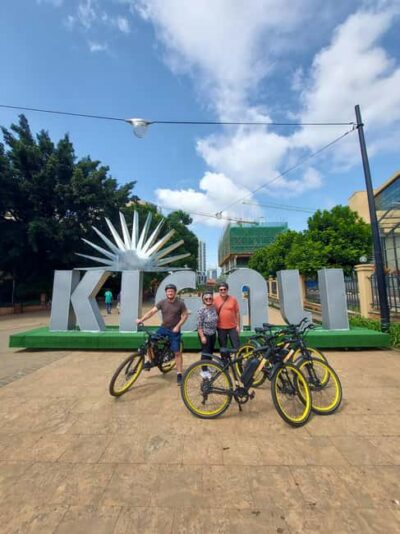

Kigali City Tour: History, Art and Local Highlights.
Read our review →
Browse the lists this tour appears in