
Review · KIGALI TOURS
Traditional Drumming and Dancing Class
Bring your rhythm and a little courage. This three-hour class near Gitarama gives you a friendly introduction to Rwandan dance, drumming, songs, and handmade crafts. I like the mix of active learning and cultural context, and I also like that beginners can join without dance or music experience.
The welcome songs and drumming make the arrival feel personal rather than formal. I also appreciate the chance to perform a short dance and try the drums yourself, though you should know that the meeting point is in Gitarama, not central Kigali, and transport there is not included.
In This Review
- Key points to know before booking
- A lively introduction near Gitarama
- The welcome begins with song and drums
- Learning the steps one body part at a time
- Turning practice into a short Rwandan dance
- Taking your turn on the traditional drums
- Ending with local handicrafts
- Is $61.54 a fair price?
- Physical effort, comfort, and access
- Who will enjoy this class most?
- Booking and cancellation advice
- Should you book the Gitarama drumming and dance class?
- FAQ
- Where does the traditional drumming and dancing class begin?
- Is transportation to Gitarama included?
- How long does the experience last?
- How much does the experience cost?
- Do I need previous dance or drumming experience?
- What is included in the price?
- Can I cancel for a full refund?
Key points to know before booking
- You learn why dancers imitate cows: The class explains the meaning behind the movements before asking you to copy them.
- Experts coach every part of the body: You work on your feet, arms, and full-body movement, with time for questions and short rests.
- The class ends with participation, not just watching: You combine the steps into a short dance, play traditional drums, and are free to dance.
- A brave volunteer may add a personal performance: You could be invited to offer a song, dance, poem, or another cultural contribution.
- Handicrafts are part of the experience: The final shopping stop includes goods made by local artisans, including people connected with the visit.
- The price is $61.54 per person: Bottled water, local taxes, activities, a guide, and gratuities are included, but transport from Kigali or elsewhere is not.
A lively introduction near Gitarama
This experience takes place at NR1 in Gitarama, also known as Muhanga, in Rwanda’s Southern Province. The activity is described as a Kigali-area experience, but the exact meeting point matters. You need to reach Gitarama yourself, and the cost does not cover transportation to or from Muhanga.
That detail can change the value of the tour. If you are already in or near Gitarama, $61.54 is a reasonable price for three hours of instruction, music, cultural explanation, bottled water, and a craft-shopping stop. If you are staying in Kigali and need a separate car or transfer, add that cost before you decide.
The class runs from 8:00 a.m. to 2:00 p.m., Monday through Sunday, during the stated operating period. The activity lasts about three hours, so the broad opening hours allow some flexibility, but you should confirm the exact start time when booking.
You must book for at least two people. The activity is private, so only your group participates. That is useful if you want to ask questions freely, feel shy about making mistakes, or set the pace for your own party.
A couple more Kigali trips worth comparing
- Imigongo Painting Class
★ 5.0 · 5 reviews
The welcome begins with song and drums
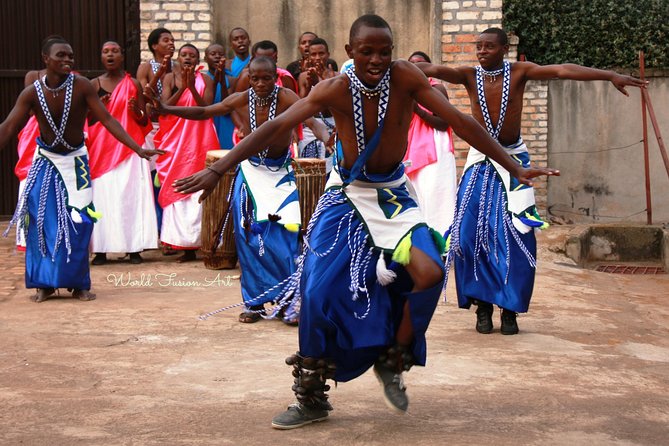
When you arrive at the office, the introduction starts with an explanation of dancing in Rwanda. This is an important choice. Instead of throwing you straight into a routine, the instructors explain where the movement comes from and why dancers imitate cows.
The cow reference is one of the most distinctive parts of the class. Cattle have an important place in Rwandan culture, and the dance draws on their posture and movement. You will not simply copy a sequence without context. You first get a reason for the gestures, which helps the dance feel less like a tourist exercise and more like a cultural form with meaning.
The welcome songs and drumming set the mood right away. You may find the opening a little intense if you prefer to watch quietly, since the whole point is to bring you into the activity. Still, the warm welcome helps break the awkward silence that can make a first cultural class feel stiff.
I would arrive ready to participate, not just observe. Comfortable clothes and shoes that allow easy movement are sensible choices. The information does not specify a dress code, but you should expect to move your feet, arms, and entire body for much of the lesson.
Learning the steps one body part at a time
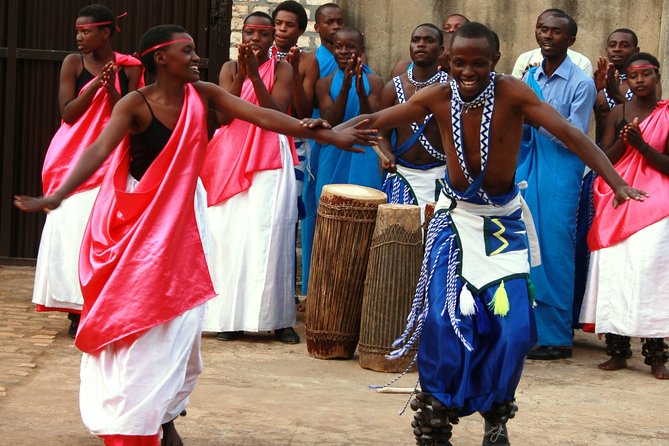
After the welcome, expert dancers demonstrate the basic movements. The coaching covers your feet, arms, and whole body, so the lesson is not only about memorizing footwork.
That step-by-step approach makes the class suitable for novices. You do not need prior dance training, and you are given chances to ask questions. Short breaks are built into the session, which matters because the lesson is physical even if it is not presented as a strenuous workout.
The instructors show the movements, then help you copy them. I like this format because it leaves room for mistakes. You can watch, try, adjust, and try again instead of being expected to perform perfectly on the first attempt.
The private format may also help here. A group of your own friends or family can laugh together and encourage the least confident dancer without worrying about keeping up with strangers. On the other hand, a private class may feel less lively if your group is very small or reluctant to take part.
You should also expect direct engagement. The strongest praise for this experience centers on how the people leading it involve participants in the dancing and singing. That means this is not a polished stage show where you sit in the dark and clap at the end. You are part of the action.
Turning practice into a short Rwandan dance
Once you have learned several movements, you combine them into a short traditional dance. This is the point where the separate instructions begin to make sense.
You may still forget a step or move in the wrong direction. That is fine. The class is designed for beginners, and the performance is an informal chance to use what you have learned. The instructors lead you through the routine, so you are not left alone to invent a complete dance from nothing.
One especially fun possibility is the invitation for a brave person in the group to offer something from their own culture. That could be a song, dance, poem, or another short performance. You do not need to volunteer, but you should be prepared for the possibility.
This detail gives the class a two-way character. You are not only receiving a lesson about Rwanda. You may also be asked to share something from home. That exchange can be memorable, but it is worth knowing in advance if you are uncomfortable performing in front of people.
The dance section is best for anyone who enjoys active cultural experiences. It is less suitable if you want a quiet lecture or a carefully choreographed show with no audience participation.
Further into the hills, and a longer day:
- Kigali City Tour
★ 5.0 · 452 reviews - Kigali: Walking Tour with a Local Guide
★ 4.9 · 234 reviews - One-day Akagera National Park Game Drive with a Choice 4×4
★ 5.0 · 105 reviews - Private Full-day Kigali City Tour with Pickup and Lunch
★ 5.0 · 79 reviews
Taking your turn on the traditional drums
After the dance, the focus shifts to drumming. You receive an introduction to traditional drumming, then get the chance to play a few rhythms yourself.
The drumming section gives you a different way to understand the music. Dance asks you to feel the beat with your body, while drumming asks you to control timing and rhythm with your hands. Even a short attempt can make the earlier welcome songs and dance patterns easier to appreciate.
You are free to dance during this part too. The lesson does not insist on a strict separation between musician and dancer. You might find yourself moving to the beat while another person plays, then taking a turn at the drum.
Do not expect advanced music instruction in three hours. The goal is an accessible introduction and a chance to participate. If you already play percussion, you may wish for more technical detail. For a beginner, the short format is probably an advantage because it keeps the activity relaxed.
Bottled water is included, a small but practical touch during a physical lesson. Gratuities and local taxes are also covered, so the listed price gives you a clearer idea of the basic cost.
Ending with local handicrafts
The final part of the experience is a chance to shop for traditional gifts and souvenirs. The selection includes high-quality handicrafts, including items made by artisans you visited.
This stop adds value beyond the class itself. You can take home something connected to the people and skills introduced during the experience, rather than buying a generic souvenir from a hotel shop.
You should still treat the shopping as optional in spirit, even though it is part of the planned outing. If you do not want to purchase anything, you can look around and learn about the goods without feeling that you must spend more.
The craft stop also connects the dance and drumming lesson with wider local work. You see that cultural expression is not limited to performance. It also includes making useful and decorative objects by hand.
The information does not specify the exact crafts, prices, or payment methods. If you are interested in buying, ask what is available and how payment works before choosing an item.
Is $61.54 a fair price?
At $61.54 per person, this is not the cheapest casual activity you could book in Rwanda. The value depends heavily on your transport plans and on how much you want active instruction instead of a short performance.
The price includes:
- A local guide
- All activities
- Traditional dance instruction
- Traditional drumming
- Bottled water
- Local taxes
- Gratuities
It does not include transportation to or from Muhanga, so the transfer can become the largest extra expense if you are based in Kigali. You should compare the total cost with other cultural activities in your itinerary, not just the class fee.
For a private booking, the price is easier to justify. You get a class for your own group, time to ask questions, and less pressure than in a large mixed tour. A group discount may also be available, which could improve the per-person value for a larger party.
I would see this as good value for people who want to do something rather than simply watch. The lesson includes explanation, coaching, performance, drumming, and crafts in one morning or afternoon. If you only want a dance show, part of the price pays for instruction you may not use.
Physical effort, comfort, and access
You need a moderate level of physical fitness. The class involves standing, moving your feet, using your arms, dancing, and drumming. Short breaks help, but this is still an active three-hour experience.
The information does not provide specific details about seating, surfaces, restrooms, or weather protection. If you have mobility concerns, contact the provider before booking and ask what movement or facilities will be available on the day.
Service animals are allowed. The meeting point is near public transportation, though the exact routes and travel times are not provided. Since the experience ends back at the meeting point, you should plan both the journey there and your return.
The mobile ticket is convenient. You can keep the confirmation on your phone, but make sure you have the correct address, NR1 in Gitarama, before setting out.
Who will enjoy this class most?
I would recommend it to you if you enjoy meeting local people, learning through movement, and taking part in a cultural activity without needing specialist skills.
It suits:
- First-time visitors to Rwanda who want a participatory introduction
- Couples or families booking a private activity
- Friends who do not mind laughing at their own dance mistakes
- People interested in music, dance, and handmade crafts
- Anyone who wants a break from sightseeing by car or on foot
- Beginners who want coaching rather than a formal performance
It may not suit you if you dislike public participation, have difficulty with moderate physical activity, or want a highly academic lesson. The class depends on your willingness to try. A shy person can watch for a while, but the experience is better when you take part.
The invitation to offer a song, poem, or dance from your own culture is worth considering too. Some people will love this friendly exchange. Others will prefer to decline, and that is perfectly reasonable.
Booking and cancellation advice
A minimum of two people is required for each booking. Because the activity is private, you should make sure everyone in your party understands that dancing and drumming are central to the experience.
You receive confirmation at booking. Free cancellation is available if you cancel at least 24 hours before the start time. Cancellations made less than 24 hours before the start time are not refunded, and changes inside that window are not accepted.
The cut-off follows local time. Keep that in mind if you are booking from another country or changing plans while moving around Rwanda.
Should you book the Gitarama drumming and dance class?
Book it if you want a friendly, hands-on cultural lesson and can arrange your own transport to Gitarama. The best parts are the welcoming songs, the explanation of the cow-inspired movements, the patient coaching, and the chance to combine dance with your own drumming.
I especially like that the experience encourages real participation. You do not simply take pictures while performers work. You learn, make mistakes, play a rhythm, and may even share a small piece of your own culture.
Think twice if you are staying in Kigali with a tight schedule and have not priced the transport. The class lasts about three hours, but the journey to Gitarama adds time and cost. For the right person, though, this is a warm and memorable way to meet Rwandan culture through sound and movement.
FAQ
Where does the traditional drumming and dancing class begin?
The class begins at NR1 in Gitarama, Rwanda. The activity ends back at the meeting point.
Is transportation to Gitarama included?
No. Transportation to and from Muhanga, also known as Gitarama, is not included in the price.
How long does the experience last?
The class lasts approximately three hours.
How much does the experience cost?
The price is $61.54 per person. Group discounts may be available.
Do I need previous dance or drumming experience?
No. The class is designed for novices, and no previous experience is necessary.
What is included in the price?
The price includes a local guide, all activities, bottled water, local taxes, and gratuities.
Can I cancel for a full refund?
Yes, if you cancel at least 24 hours before the experience starts. Cancellations or changes made less than 24 hours before the start time are not accepted, and the amount paid is not refunded.
Recently added in Kigali
- Vegan Fine Dining Experience★ 5.0 · 5 reviews
- Walking Food Tour in Remera and Kigali★ 5.0 · 4 reviews
- 2 Days Mountain Gorilla Safari Rwanda★ 5.0 · 4 reviews
- Gorilla Trekking Adventure – A Day trip (Only transfer)★ 5.0 · 2 reviews
- Rwanda One Day Gorilla Trekking with Iby’iwacu Culture Visit★ 5.0 · 2 reviews
- Private Transfer from Kigali Airport (KGL) to Kigali★ 4.0 · 5 reviews
- One Day Mount Bisoke Hike Adventure Tour in Volcanoes Park★ 4.5 · 4 reviews
- From Kigali: 8 Hour Day-trip Lake Kivu Cruise Experience★ 4.5 · 3 reviews
Kigali Tours, compared.

One-day Akagera National Park Game Drive with a Choice 4×4
Read our review →
Private Full-day Kigali City Tour with Pickup and Lunch
Read our review →

Private 1 Day Akagera Big Five Safari with pick up and lunch.
Read our review →
Mount Kigali and Cultural Village Tour with Snacks
Read our review →Browse the lists this tour appears in