
Review · COFFEE & TEA PLANTATION TOURS
Kigali: Traditional Coffee Experience ( Bean to Brew)
Coffee tells Rwanda’s story. This two-hour Kigali experience takes you from coffee fields to roasting fire to a tasting in town, giving you more than a quick cup and a few facts. I like the hands-on roasting, and I also like the chance to speak with local coffee specialists about how Rwandan beans are grown and prepared. The main point to consider is transportation: private transfers are not included, so you must reach Umurishyo Arts Gallery on your own.
I also appreciate the small-group limit of 20 people. That is large enough for a social outing but still workable for questions and personal help. The experience costs $50 per person, which is fair if you want to roast your own beans and taste several blends, though it is more than a simple Kigali café visit.
In This Review
- Key Points Before You Book
- Why Rwandan Coffee Makes a Good Kigali Experience
- Starting at Umurishyo Arts Gallery on KG 206 Street
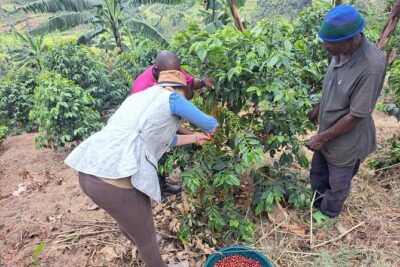
- Walking Through Rwanda’s Coffee Fields
- Roasting Beans the Traditional and Modern Way
- Finishing With a Kigali Coffee Tasting
- Is $50 a Fair Price in Kigali?
- Timing, Weather, and Practical Planning
- Who Will Enjoy This Coffee Experience Most?
- My Booking Advice for the Bean-to-Brew Experience
- FAQ
- How much does the traditional coffee experience cost?
- How long does the activity last?
- Where does the experience start?
- Where does the experience end?
- Is private transportation included?
- What activities are included?
- How many people can join the activity?
- Can I cancel for a full refund?
- What happens if bad weather cancels the experience?
Key Points Before You Book
- Follow coffee from field to cup: See how Rwandan coffee is cultivated before learning how beans are roasted and tasted.
- Roast your own beans: The practical roasting session is the heart of the experience, with traditional and modern methods included.
- Taste Kigali-made blends: The final stop is a coffee shop where you sample several blends and talk with local specialists.
- Meet at Umurishyo Arts Gallery: The experience starts and ends at KG 206 St in Kigali, with private transportation not included.
- Plan for about two hours: The schedule is compact, making it easy to fit into a day of sightseeing.
- Book with weather in mind: Poor weather can lead to a new date or a full refund.
Why Rwandan Coffee Makes a Good Kigali Experience

Rwanda is well known for coffee production, but a café drink rarely shows you how much work comes before the first sip. This experience fills in those missing steps. You begin among coffee fields, where local farmers explain cultivation and the work involved in producing good beans.
That setting matters. It gives you a better sense of coffee as an agricultural product, not just a polished drink on a café menu. You learn about community practices and the effort made to produce coffee in a sustainable way.
I like this approach because it connects the drink in your cup to the people who grow and prepare it. You are not simply being handed a tasting flight. You are shown a chain of work that stretches from farming to roasting to brewing.
The supplied details do not specify the exact field location or how far it is from the meeting point. Because private transportation is not included, check the meeting instructions carefully before setting out. You may need to arrange your own local ride to Umurishyo Arts Gallery.
Other coffee and tea plantation visits:
- Kigali: Traditional Coffee Experience ( Bean to Brew)
★ 4.8 · 54 reviews - Women-led Coffee Farm Trek
★ 5.0 · 19 reviews - Rwandan Coffee Experience
★ 5.0 · 10 reviews
Starting at Umurishyo Arts Gallery on KG 206 Street
Your meeting point is Umurishyo Arts Gallery, KG 206 St, Kigali. The activity ends at this same location, which is useful if you want a clear beginning and finish rather than a drop-off at an unfamiliar part of town.
The gallery meeting point also gives the experience a cultural setting instead of starting at a generic roadside pickup spot. Still, the practical detail matters more than the atmosphere: private transportation is excluded. You should budget for your own way to the meeting point and allow enough time to arrive before the scheduled start.
A mobile ticket is provided, and confirmation is sent when you book. Keep the ticket available on your phone. The activity is near public transportation, though the supplied information does not identify a specific bus route or stop.
The group can include up to 20 people. That is a reasonable ceiling for a hands-on activity, but the amount of personal attention may depend on how many people actually book that day. If you enjoy asking questions, staying close to the guide will help you get the most from the practical parts.
Walking Through Rwanda’s Coffee Fields

The first major part of the experience takes you into Rwanda’s coffee fields. Local farmers explain how coffee is cultivated and share the story of the country’s coffee production.
This stop gives you the basic vocabulary for everything that follows. You see coffee as a crop and learn why farming methods matter. The focus on sustainable community practices also adds useful context. It shows that coffee production is tied to local livelihoods, not only to export sales or café culture.
You should expect this portion to be more educational than recreational. The supplied details do not promise a long hike, scenic viewpoints, or a specific farm activity. The value comes from meeting people connected to production and understanding the work behind the beans.
I would especially recommend paying attention to the farming explanations before the roasting session. Once you start handling beans, the earlier lessons help you understand why origin, preparation, and care affect the final drink.
The exact order of the field visit and meeting point transfer is not fully described. The activity is presented as a field-to-cup journey, so you should be ready for a change of setting during the two-hour schedule. Since no private vehicle is included, confirm how the group moves between stops when you receive the booking details.
Roasting Beans the Traditional and Modern Way

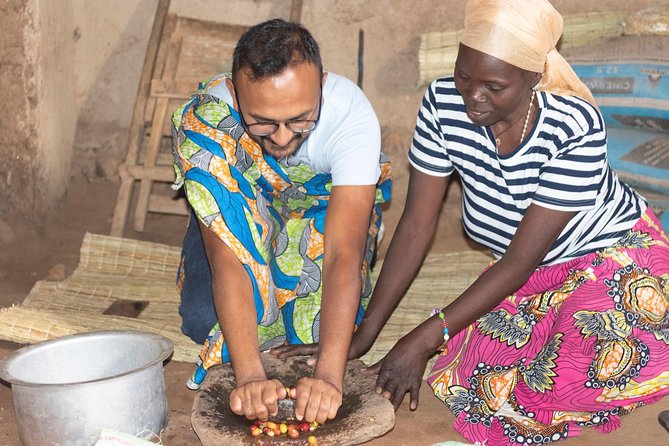
The roasting session is the most active part of the experience. You take part in both traditional and modern roasting methods, with local specialists explaining how each process works.
This is where the $50 price begins to make more sense. A standard tasting can tell you what a coffee tastes like. Roasting your own beans helps you understand how heat and timing change the character of the coffee.
The hands-on element also gives the tour a practical edge. You are not expected to remain seated while someone else performs the entire demonstration. The stated experience includes roasting your own beans, so you should have a chance to participate directly.
One particularly positive detail is the quality of the guidance. One participant described the guide as excellent, smart, and well informed during the roasting session. That kind of instruction matters because roasting can sound simple until you need to judge what is happening to the beans. Clear guidance helps turn the activity from a novelty into a useful lesson.
The traditional and modern methods also provide a natural comparison. You can consider how tools and technique affect the process, rather than treating coffee preparation as one fixed routine. The experience does not list the exact equipment, roasting time, or method used, so do not expect a technical coffee certification course. Think of it as an accessible introduction with real participation.
If you already grind beans and make blends at home, the session should have extra value. One coffee enthusiast who regularly grinds beans and creates special blends found that the experience gave a greater understanding of coffee and the business behind its production. You may come away with a stronger appreciation for the labor and decisions involved before brewing begins.
Other coffee mornings in Kigali:
- Specialty Coffee Masterclass
★ 5.0 · 33 reviews - Full Day Shared Akagera Safari Tour with Lunch and Coffee
★ 5.0 · 15 reviews - Painting with Delicious Coffee
★ 5.0 · 9 reviews - Local Community Tour(Cultural, Coffee,Village walk,Local food)
★ 5.0 · 8 reviews
Finishing With a Kigali Coffee Tasting
The final stage takes place in a Kigali coffee shop. Here, you sample several blends and talk with local specialists about the coffee you are drinking.
This is a good ending because the tasting has meaning after the farm and roasting visits. You have seen where the beans come from and taken part in changing them through roasting. The cup becomes the final test of the work.
The tasting is described as exclusive and includes a variety of blends. The exact number of samples is not provided, so you should not assume a particular flight size. What is clear is that the session is designed to show different expressions of Rwandan coffee rather than serving one ordinary café drink.
The conversation is another strong feature. You can ask about the blends, production, and preparation while sharing the table with other coffee enthusiasts. That social exchange is part of the point. Coffee becomes a way to connect with Kigali and with the people who work in the local coffee trade.
Do not expect a full meal or a long café stay. Food and additional drinks are not listed among the inclusions. The stated activity ends back at the original meeting point, so plan any lunch or later sightseeing separately.
Is $50 a Fair Price in Kigali?
At $50 per person, this is not the cheapest way to drink coffee in Kigali. If your goal is simply to try a local brew, you can spend far less at a café.
The value comes from the range of activities packed into roughly two hours:
- A look at coffee cultivation
- Explanations of sustainable community practices
- Traditional roasting
- Modern roasting
- Hands-on preparation
- A tasting of several blends
- Conversation with local coffee specialists
All fees and taxes are included, which keeps the advertised price clear. Private transportation is not included, so add the cost of getting to Umurishyo Arts Gallery if you need a taxi or another paid ride.
I consider the price reasonable for coffee fans, curious food travelers, and anyone who values a guided activity with direct participation. It is less compelling for someone who has limited interest in coffee or wants a broad Kigali sightseeing tour. This is a focused experience, not a general city excursion.
The small-group limit also supports the price. A maximum of 20 people gives the activity a manageable scale, though the actual group size may vary. If the experience runs with fewer participants, you may receive more direct help during the roasting session.
Timing, Weather, and Practical Planning
The experience lasts about two hours, so it fits well into a morning or afternoon in Kigali. You can combine it with other plans, but leave enough time for reaching the meeting point and moving between the different stages of the activity.
Weather is an important consideration. The experience requires good weather, and poor conditions can lead to a different date or a full refund. Kigali weather can change, so avoid arranging an important fixed-time activity immediately afterward.
You can cancel for a full refund if you do so at least 24 hours before the start time. Cancellations or changes made within 24 hours are not refunded or accepted. The cut-off follows local time in Kigali.
The activity also requires a minimum number of participants. If that minimum is not reached, the provider may offer another date or experience, or provide a full refund. This is worth remembering if you are building a tightly timed itinerary.
Service animals are allowed, and the activity is near public transportation. No other accessibility details are supplied, so ask the provider directly if you need information about walking surfaces, seating, or assistance between locations.
Who Will Enjoy This Coffee Experience Most?
I would choose this activity if you like knowing how food and drinks are made. It suits people who enjoy workshops, local conversations, and small details that do not appear on a normal sightseeing route.
It is especially well suited to:
- Coffee drinkers who grind beans or make blends at home
- Visitors interested in farming and sustainable production
- Couples or friends looking for a shared activity
- People with a free two-hour window in Kigali
- Anyone who prefers participation over passive sightseeing
- Visitors who want to support a locally focused cultural experience
It may not suit you if you dislike coffee, want a full-day farm visit, or need private transport included. The description gives a clear coffee focus, but not a broad tour of Kigali or a long rural excursion.
You should also think about how much structure you prefer. The experience moves through several stages, from fields to roasting to tasting. That gives the outing a strong narrative, but it also means you will not spend the entire time relaxing in one café.
My Booking Advice for the Bean-to-Brew Experience
I would book this if coffee is part of the reason you are visiting Rwanda, or if you want a short activity with a real connection to local production. The roasting session is the strongest reason to go. You do not just hear about coffee, you take part in preparing it.
The field visit and final tasting complete the story. Together, they help you understand the people, work, and decisions behind the drink in your cup. The excellent guidance described during the roasting portion is another reason to feel confident, especially if you have never roasted beans before.
Before booking, make three checks: confirm your route to Umurishyo Arts Gallery, leave room for weather changes, and make sure your schedule allows for the full two-hour activity. If those details work for you, $50 is a fair price for a compact, hands-on introduction to Rwandan coffee.
FAQ
How much does the traditional coffee experience cost?
The price is $50 per person. All fees and taxes are included.
How long does the activity last?
The experience lasts approximately two hours.
Where does the experience start?
It starts at Umurishyo Arts Gallery, KG 206 St, Kigali, Rwanda.
Where does the experience end?
The activity ends back at the meeting point, Umurishyo Arts Gallery.
Is private transportation included?
No. Private transportation is not included, so you must arrange your own transportation to the meeting point and account for transport during the activity as needed.
What activities are included?
You visit coffee fields, learn about cultivation and sustainable practices, take part in traditional and modern roasting, and finish with a tasting of several blends in a Kigali coffee shop.
How many people can join the activity?
The maximum group size is 20 travelers.
Can I cancel for a full refund?
Yes. You can cancel up to 24 hours before the experience starts for a full refund. Cancellations made less than 24 hours before the start time are not refunded.
What happens if bad weather cancels the experience?
If poor weather causes a cancellation, you will be offered a different date or a full refund. The same applies if the minimum number of participants is not reached, with the option of another date, another experience, or a full refund.
Recently added in Kigali
- Vegan Fine Dining Experience★ 5.0 · 5 reviews
- Walking Food Tour in Remera and Kigali★ 5.0 · 4 reviews
- 2 Days Mountain Gorilla Safari Rwanda★ 5.0 · 4 reviews
- Traditional Drumming and Dancing Class★ 5.0 · 2 reviews
- Gorilla Trekking Adventure – A Day trip (Only transfer)★ 5.0 · 2 reviews
- Rwanda One Day Gorilla Trekking with Iby’iwacu Culture Visit★ 5.0 · 2 reviews
- Private Transfer from Kigali Airport (KGL) to Kigali★ 4.0 · 5 reviews
- One Day Mount Bisoke Hike Adventure Tour in Volcanoes Park★ 4.5 · 4 reviews
Coffee & Tea Plantation Tours, compared.


Browse the lists this tour appears in