
Review · COFFEE & TEA PLANTATION TOURS
Women-led Coffee Farm Trek
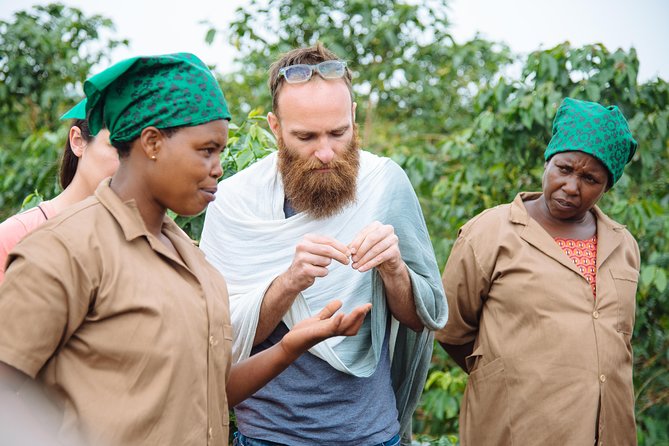
Coffee tells a story here. This full-day outing from Kigali takes you beyond the cup and into the work of female farmers who grow, wash, prepare, and roast Rwanda’s delicate coffee. I like the warm welcome of song and dance, and I like that the experience connects coffee production with the Women’s Opportunity Center and its handicrafts. The main drawback is the long eight-hour commitment, so it may not fit a tight Kigali schedule.
The small group, limited to 15 people, should make the day easier to follow and more personal. Guide Patty has earned special praise for joining in at every stage and answering questions with patience. Still, you should confirm the day’s exact timing and weather plans before booking, since the activity requires good weather and begins early at 8:00 a.m.
In This Review
- Key points to know before you book
- Starting at Question Coffee in Kigali at 8:00 a.m.
- The drive toward a women-run coffee operation
- A welcome with singing, dancing, and coffee
- Following coffee from cultivation to roasting
- Lunch at Urugo Eco-Lodge
- What the $150 price really covers
- Who will enjoy this day most
- Practical details that can affect your day
- Should you book the Women-led Coffee Farm Trek?
- FAQ
- Where does the Women-led Coffee Farm Trek begin?
- What time does the tour start?
- How long does the experience last?
- How many people can join the tour?
- Is lunch included?
- Can I cancel for a full refund?
Key points to know before you book
- Female farmers lead the coffee story: You see how a women-run coffee operation supports skills, income, and local opportunity.
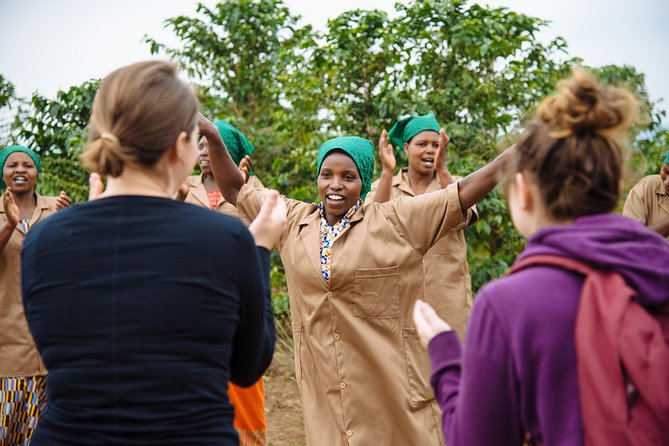
- Song and dance begin the welcome: Expect a lively arrival at the cooperative, and be ready to join in rather than watch from the sidelines.
- The coffee lesson covers the full chain: The experience includes cultivation, washing, preparation, harvesting, and roasting.
- Lunch is included at Urugo Eco-Lodge: This gives the day a proper pause instead of making you search for food along the way.
- The group stays small: With a maximum of 15 people, questions and conversation should be easier than on a large coach tour.
- It costs $150 per person: That is a serious day-trip price, but it includes lunch, guiding, the farm experience, and the cultural program.
Starting at Question Coffee in Kigali at 8:00 a.m.
Your meeting point is Question Coffee Gishushu, at 8 KG 8 Ave in Kigali. The early start matters. This is not a quick city tasting that fits neatly between breakfast and dinner. Plan on roughly eight hours from start to finish, with the activity returning to the same meeting point.
I like the clarity of a fixed morning departure. You know where to go and where the day ends, which helps if you are arranging another Kigali activity afterward. At the same time, do not schedule anything important immediately after the tour. A full-day outing outside the city can run close to its estimated duration, and weather may affect the plan.
The meeting point also gives the day a useful beginning. You start with a company focused on coffee experiences, then move from the familiar café setting toward the people and processes behind Rwanda’s coffee. The contrast is part of the appeal. You are not only tasting a finished drink. You are following its path back to the farm.
Other coffee and tea plantation visits:
- Kigali: Traditional Coffee Experience ( Bean to Brew)
★ 4.8 · 54 reviews - Rwandan Coffee Experience
★ 5.0 · 10 reviews - Painting with Delicious Coffee
★ 5.0 · 9 reviews
The drive toward a women-run coffee operation
The experience takes you out from Kigali toward a coffee farm located just outside Akagera National Park. The supplied details do not give a precise driving time or a complete transport description, so I would treat the eight-hour figure as the full activity length rather than assume a particular amount of time on the road.
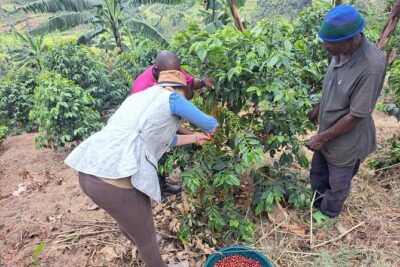
That setting gives the coffee lesson a wider context. Rwanda’s coffee is known for delicate flavors, and the farm visit shows why the final taste depends on many careful steps. You get a look at the crop before it becomes a roasted bean, then follow the work through harvesting, washing, preparation, and roasting.
The women-led focus adds real substance. This is not simply a scenic stop at a farm. The work is presented as part of women’s economic opportunity, sustainability, and local growth. One especially strong part of the experience is the chance to see how agriculture and community development can sit together in the same program.
Keep your expectations practical. This is a working coffee experience, not a polished amusement attraction with a long list of staged activities. The value comes from meeting the people involved, watching the process, and understanding the labor behind something you may drink every morning.
A welcome with singing, dancing, and coffee
Arrival at the cooperative is one of the most memorable parts of the day. You may be greeted with singing, dancing, and laughter. The tone is participatory, so you will get more from it if you join the welcome instead of standing back with a camera.
That opening also sets the mood for the farm visit. It makes the encounter feel social and human before the technical explanation begins. The coffee lesson is not delivered in a cold classroom style. You are welcomed first, then brought into the work.
The experience may begin with coffee or tea, according to the details shared about the day. That small touch makes sense: you can taste a drink before learning how its ingredients are produced. It also gives you something familiar to compare with the more detailed farm work that follows.
Guide Patty is a name worth noting. She has been described as helpful, friendly, and willing to take part in every aspect of the visit. If Patty is leading your group, you can expect an active guide rather than someone who simply points and recites facts. Guide assignments can change, so I would not book solely on the promise of a particular person.
Following coffee from cultivation to roasting
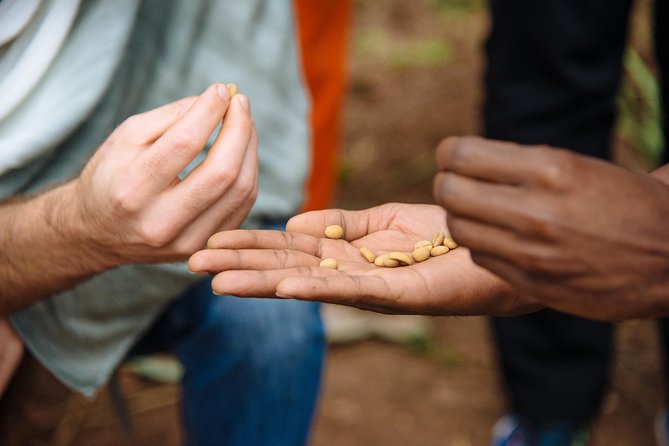
The central lesson is the coffee process. You see how beans are cultivated and harvested, then learn about washing and preparation before the roasting stage. The attraction is the sequence. Each step helps explain why Rwanda’s coffee can have such delicate flavors.
I especially like this format for anyone who usually knows coffee only as a drink. You see that the final cup depends on farm work, processing choices, and careful handling. A farm visit can make a familiar morning routine feel less automatic.
The supplied information does not provide a technical timetable for each stage or promise a specific hands-on task. You should expect demonstrations and explanations, but do not assume you will personally harvest or roast beans unless the guide confirms it on the day.
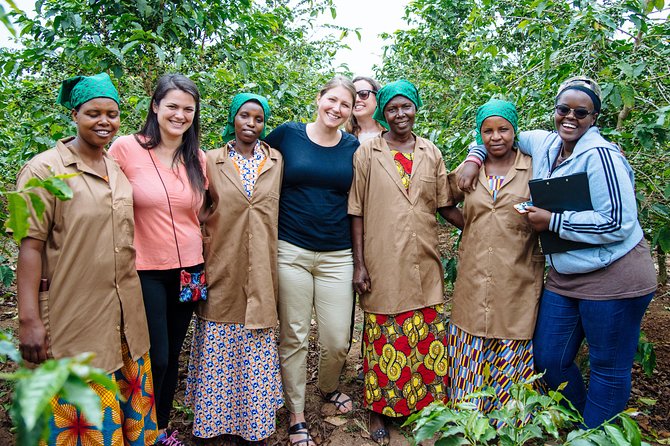
The women farmers remain central throughout the coffee story. Their role is not a side note added to a standard farm tour. The experience presents their work as part of a wider example of women’s empowerment and economic growth. That makes the visit more meaningful than a simple tasting stop, especially if you want your spending to support a community-focused activity.
The group limit helps here. Fifteen people is small enough for the guide to handle questions without turning the lesson into a lecture for a crowd. It also gives you a better chance to see what is happening and hear the explanations clearly.
Other hikes up into the hills from Kigali:
- Mount Kigali Hike and Zipline Adventure Tour(Pick up &drop off)
★ 5.0 · 37 reviews - 3 Day Gorilla Trek at Bwindi National Park via Kigali
★ 5.0 · 32 reviews - 1 Day Rwanda Gorilla Trekking Tour In The Volcanoes National Park
★ 5.0 · 31 reviews - 2 Day Gorilla Trekking Safari in Uganda via Kigali
★ 5.0 · 26 reviews
Lunch at Urugo Eco-Lodge
Lunch is provided at Urugo Eco-Lodge at the Women’s Opportunity Center, with about one hour allocated for the stop. This is a useful inclusion in an eight-hour outing. You do not need to leave the farm experience to find a restaurant, and the meal gives the day a natural break.
The location adds another layer to the visit. The Women’s Opportunity Center is connected to handicrafts and other opportunities, so lunch is more than a simple refueling stop. You can see how the coffee program fits alongside other work that supports women and the wider community.
The information provided does not specify the menu, dietary choices, or exact meal style. If you have food restrictions, ask before the tour rather than assume the lunch will meet your needs. The one-hour stop should allow time to eat and look around, but the available details do not promise a formal handicraft workshop or a specific purchase opportunity.
I like the balance of the stop. Coffee provides the main subject, while the center shows a broader picture of local enterprise. You leave with more than a lesson about beans. You get a glimpse of how a community organization can link agriculture, food, crafts, and income.
What the $150 price really covers
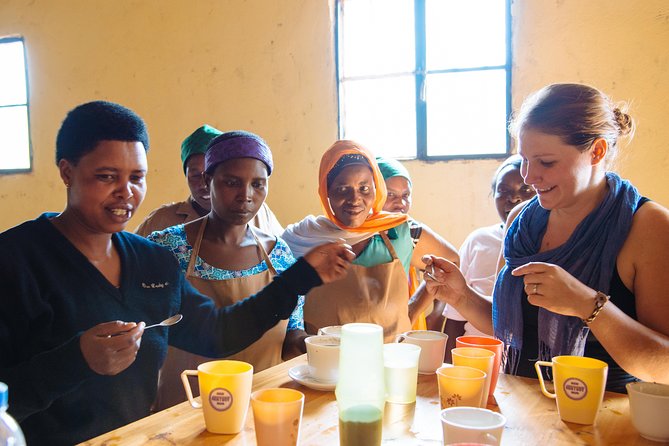
At $150 per person, this is not a budget activity. The price makes the most sense if you value a full day with a focused theme rather than a short tasting in Kigali. Lunch is included, the group is capped at 15, and the program combines guiding, coffee education, a farm visit, and the Women’s Opportunity Center.
The price also reflects the fact that this is a specialized experience. You are paying for access to a women-led coffee operation and for a cultural program built around local participation. If your only goal is to drink good coffee, a café visit will cost much less. If you want to understand production and meet the people connected to it, the day offers more.
Group discounts are available, which may improve the value for colleagues, families, or friends traveling together. The small maximum group size is another plus. A larger group might lower the price, but it could also make the farm lesson less personal.
I would compare the cost with your available time. For someone spending several days in Rwanda, this is a substantial but focused day. For someone in Kigali only briefly, the eight-hour schedule means giving up most of a day for one subject. That is worthwhile if coffee, women-led development, and local community programs matter to you.
Who will enjoy this day most
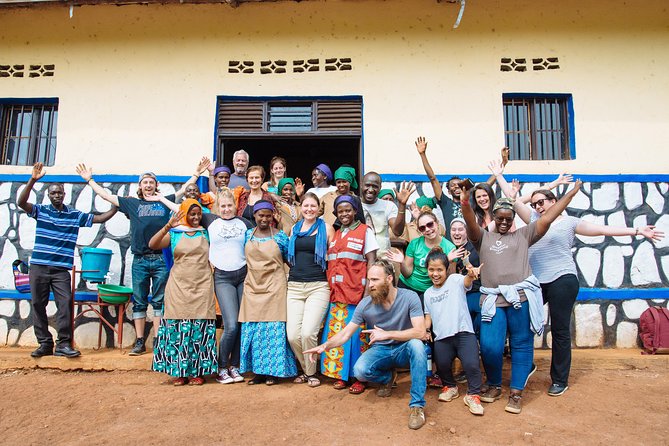
I would recommend the experience to coffee drinkers who want to see the work behind their cup. It also suits people interested in ethical tourism, women’s economic opportunity, agriculture, and small-group cultural experiences.
The tour should work well for colleagues traveling together, since group discounts may apply and the social welcome gives everyone something to share. The maximum of 15 people also makes it a better fit for those who dislike large organized tours.
Most people can participate, and service animals are allowed. The available information does not describe specific mobility conditions at the farm or center, so anyone with access needs should ask for current details before booking.
This is less suited to someone who wants a relaxed morning in Kigali or a wildlife-focused day near Akagera. Despite the location outside the park, the program is about coffee and community, not a safari. You should also be comfortable with a participatory welcome. The singing and dancing are part of the experience, not an optional decoration.
Practical details that can affect your day
Confirmation is sent within 48 hours of booking, subject to availability. Since the tour is often booked well ahead, with an average booking point of 27 days in advance, I would reserve early if your Rwanda dates are fixed.
The experience uses a mobile ticket, which is convenient when you are moving between stops. Your activity begins and ends at Question Coffee Gishushu. The stated start time is 8:00 a.m., and the estimated duration is eight hours.
The supplied booking conditions require a negative COVID-19 test result and a mask. Requirements can change over time, so check the current conditions when you reserve and again before departure.
Free cancellation is available if you cancel at least 24 hours before the local start time. Cancellations or changes made inside that window are not refunded or accepted. The tour also requires good weather. If poor weather cancels the outing, you should be offered another date or a full refund.
Should you book the Women-led Coffee Farm Trek?
I would book this if you want a personal, community-focused day that explains Rwanda through coffee rather than sightseeing alone. The strongest reasons are the women-led farm work, the complete bean-to-cup explanation, the lively welcome, and the visit to the Women’s Opportunity Center.
I would skip it if you have only a few hours in Kigali, dislike organized day trips, or want a safari near Akagera. At $150, the experience needs to match your interests. For coffee lovers and people who care about local enterprise, it offers a thoughtful use of a full day, with lunch and a small group included.
FAQ
Where does the Women-led Coffee Farm Trek begin?
It begins at Question Coffee Gishushu, 8 KG 8 Ave, Kigali, Rwanda.
What time does the tour start?
The tour starts at 8:00 a.m.
How long does the experience last?
The experience lasts approximately eight hours and ends back at the meeting point.
How many people can join the tour?
The group has a maximum of 15 travelers.
Is lunch included?
Yes. Lunch is provided during a one-hour stop at Urugo Eco-Lodge at the Women’s Opportunity Center.
Can I cancel for a full refund?
Yes, if you cancel at least 24 hours before the local start time. Cancellations made less than 24 hours before the start time are not refunded.
More Coffee Experiences in Kigali
- Specialty Coffee Masterclass
★ 5.0 · 33 reviews - Full Day Shared Akagera Safari Tour with Lunch and Coffee
★ 5.0 · 15 reviews - Local Community Tour(Cultural, Coffee,Village walk,Local food)
★ 5.0 · 8 reviews - Private Half-Day Guided Kigali City Tour with Coffee Break Included
★ 5.0 · 6 reviews
More Farms in Kigali
- 1-Day Lake Kivu Karongi Boat Cruise & Coffee farming with Lunch
★ 4.5 · 3 reviews
Recently added in Kigali
- Vegan Fine Dining Experience★ 5.0 · 5 reviews
- Walking Food Tour in Remera and Kigali★ 5.0 · 4 reviews
- 2 Days Mountain Gorilla Safari Rwanda★ 5.0 · 4 reviews
- Traditional Drumming and Dancing Class★ 5.0 · 2 reviews
- Gorilla Trekking Adventure – A Day trip (Only transfer)★ 5.0 · 2 reviews
- Rwanda One Day Gorilla Trekking with Iby’iwacu Culture Visit★ 5.0 · 2 reviews
- Private Transfer from Kigali Airport (KGL) to Kigali★ 4.0 · 5 reviews
- One Day Mount Bisoke Hike Adventure Tour in Volcanoes Park★ 4.5 · 4 reviews
Coffee & Tea Plantation Tours, compared.


Browse the lists this tour appears in