
Review · COFFEE EXPERIENCES
Specialty Coffee Masterclass
Coffee tells Rwanda’s story well. At Question Coffee Gishushu, you get a close look at that story, from cherry picking in the garden to tasting beans from several growing regions. The two-hour class combines a short history lesson, hands-on harvesting, guided tasting, and a custom blend made around your preferences.
I especially like the small maximum of 12 people, which gives the class a more personal feel. I also like that you leave with more than general coffee facts: you taste five different Rwandan coffees, rate their qualities, and receive a bag based on the blend you enjoy most. The main consideration is simple: this is a coffee class, not a broad Kigali sightseeing tour, so it suits curious coffee drinkers more than visitors seeking a full city excursion.
The session costs $50 per person. That is a fair price if you value instruction, tasting several coffees, contact with local coffee producers, and a take-home blend. Coffee fans will get the most from it, but even casual drinkers can learn why two beans from the same country may taste very different.
In This Review
- Key points about the Kigali coffee class
- Starting at Question Coffee Gishushu
- A short history lesson before the tasting
- Picking coffee cherries in the garden
- Tasting five coffees from Rwanda
- Building a blend that fits your palate
- How the small group changes the experience
- Is $50 a fair price?
- Who should book this experience?
- Practical tips for getting the most from class
- Cancellation and booking details
- Final verdict: Should you book the coffee masterclass?
- FAQ
- Where does the Specialty Coffee Masterclass begin?
- Where does the activity end?
- How long does the coffee masterclass last?
- How many people can join the class?
- What will I do during the experience?
- Can I cancel for a full refund?
Key points about the Kigali coffee class
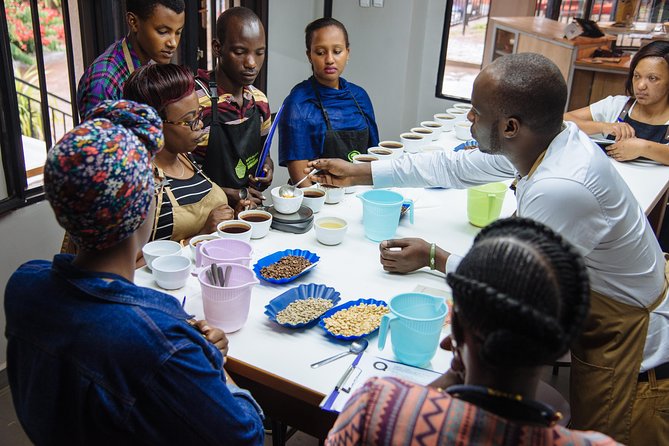
- Pick coffee cherries in the garden: You handle the fruit before learning how it becomes the drink in your cup.
- Taste five Rwandan coffees: The session looks at aroma, flavor, aftertaste, acidity, and mouthfeel.
- Create a personal blend: Your preferred tastes guide the coffee package you take home.
- Meet local coffee farmers: The class connects your morning brew with the people and work behind it.
- Learn from engaging instructors: Past sessions have been led by Patty, Peggy, Patrice, and Keziah.
- Keep the group small: A maximum of 12 people allows room for questions and discussion.
Starting at Question Coffee Gishushu
The experience begins at Question Coffee Gishushu, at 8 KG 8 Ave in Kigali. The location is near public transportation, which helps if you are getting around the city without a private car. The activity also ends at the same meeting point, so you do not need to arrange a separate return transfer.
Plan on about two hours from start to finish. That is long enough to cover the full coffee chain without turning the session into an all-day commitment. You can fit it into a busy Kigali schedule, perhaps before another city activity or during a free morning.
The booking confirmation arrives within 48 hours, subject to availability. Since the class is often reserved about 14 days ahead, I would not leave it until the last minute, especially if your Kigali dates are fixed. You receive a mobile ticket, which keeps the check-in process simple.
Current health rules listed for the activity require a negative COVID-19 test result and a mask. Check the conditions attached to your booking before you go, since health requirements can change.
Other coffee mornings in Kigali:
- Kigali: Traditional Coffee Experience ( Bean to Brew)
★ 4.8 · 54 reviews - Women-led Coffee Farm Trek
★ 5.0 · 19 reviews - Full Day Shared Akagera Safari Tour with Lunch and Coffee
★ 5.0 · 15 reviews
A short history lesson before the tasting
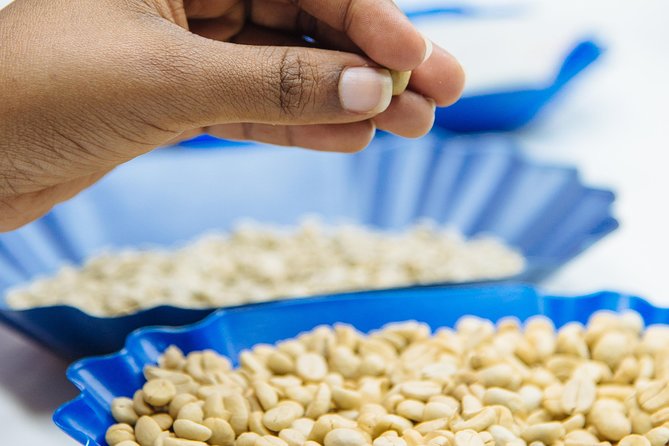
The class begins with background on coffee and its place in Rwanda. This opening matters because it gives you a frame for everything that follows. Instead of treating coffee as a finished drink, you start thinking about where it grows, how it is produced, and why beans from different parts of Rwanda can taste distinct.
The history portion is described as short, so do not expect a long lecture. That is a plus for most people. You get enough context to understand the subject, then move quickly into the practical parts of the class.
The instructors have earned strong praise for making this section easy to follow. Peggy is described as clear and engaging, while Patrice is noted for his relaxed manner and good English. Keziah has also been praised for making the class both fun and well informed. Since the instructor can vary, the exact personality of the session may differ, but the teaching style appears to be a major strength.
I appreciate classes that explain the basics without assuming you already know coffee terms. Here, you learn what to notice before being asked to form an opinion. That makes the tasting less intimidating, even if you normally order coffee based on habit rather than flavor notes.
Picking coffee cherries in the garden
The hands-on part begins among the coffee trees on the onsite grounds. You pick your own coffee cherries, giving you a direct connection to the first visible stage of production.
This is a small activity, but it changes the way you see the cup that follows. Coffee beans do not begin as dry brown seeds in a paper bag. They start inside fruit, and handling the cherries helps make the supply chain feel real rather than abstract.
You also hear about how coffee grows and how it is harvested. One session included a discussion of Rwandan growing regions, so the garden visit is not just a photo stop. It connects farming conditions and regional differences with the beans you later taste.
Do not expect a full plantation tour. The activity takes place on the grounds at the meeting location, and the available information describes picking cherries in the garden rather than visiting a distant farm. That makes the class convenient, but it also means the farm element is an introduction rather than a long rural excursion.
The access to local coffee farmers adds value here. You get a closer look at the people behind the crop, not just a polished cafe presentation. For anyone interested in ethical food production or the path from farm to cafe, this is one of the strongest parts of the experience.
Tasting five coffees from Rwanda
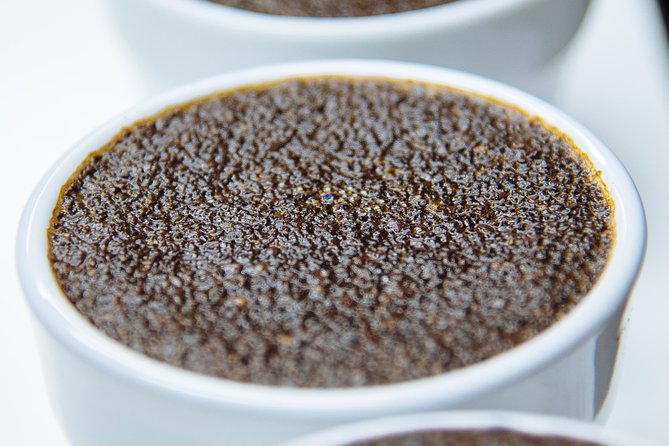
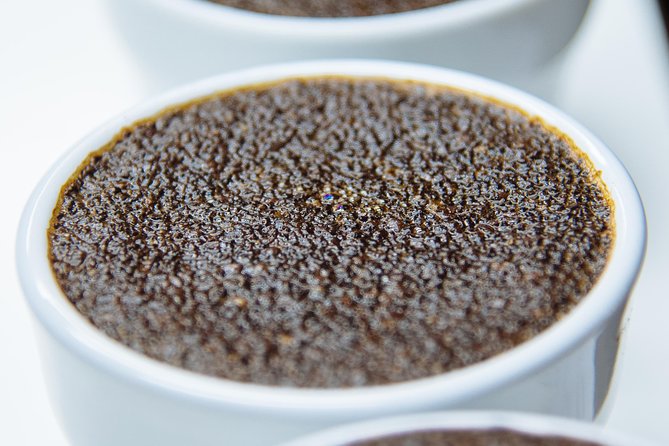
The tasting is the heart of the masterclass. You sample four or five coffees from different Rwandan growing areas and blends, depending on the session. The repeated mention of five coffees gives you a useful range without overwhelming your palate.
You are guided to assess several traits:
- Aroma
- Flavor
- Aftertaste
- Acidity
- Mouthfeel
That list gives the tasting a clear purpose. You are not simply drinking cup after cup and choosing the one with the strongest flavor. You are learning how coffee professionals separate the parts of the experience.
Acidity can sound like a warning if you associate it with sour coffee. In this setting, it is one quality to notice and compare. Mouthfeel asks you to consider how the coffee feels, while aftertaste helps you pay attention to what remains once you have swallowed. These details can help you make smarter choices at cafes later, even outside Rwanda.
The session is also a good introduction to Rwanda as a coffee-producing country. You taste beans from several parts of the country rather than one standard house coffee. That regional comparison is more useful than a single sample because it gives you a sense of range.
You do not need to arrive as a coffee expert. The point is to notice differences and decide what suits your palate. If you usually add milk or sugar, you may find the tasting more revealing if you first try the samples as presented, then decide which qualities you prefer.
A couple more Kigali trips worth comparing
- Kigali City Tour
★ 5.0 · 452 reviews - Kigali: Walking Tour with a Local Guide
★ 4.9 · 234 reviews - One-day Akagera National Park Game Drive with a Choice 4×4
★ 5.0 · 105 reviews - Private Full-day Kigali City Tour with Pickup and Lunch
★ 5.0 · 79 reviews
Building a blend that fits your palate
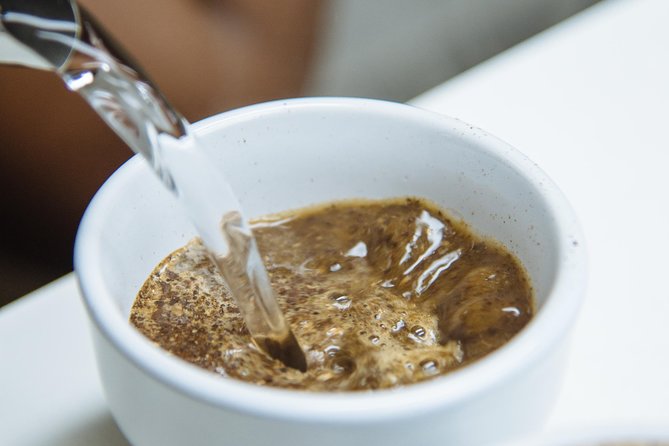
After tasting, you create a custom blend based on the coffees you liked best. This gives the class a satisfying finish because the lesson turns into something personal and practical.
The take-home package is a particularly good value point. You do not simply leave with information that fades after your trip. You get coffee mixed around the qualities you rated most highly, which lets you repeat part of the experience at home.
This is not the same as buying a generic souvenir bag. You have already compared aroma, flavor, acidity, aftertaste, and mouthfeel, so your final blend has a reason behind it. You may prefer one coffee for its aroma and another for its body, then choose a combination that balances both.
The exact size of the package is not provided, so I would not book this expecting a particular quantity. Still, the custom coffee adds a useful finish to the class and helps justify the $50 cost.
If you are traveling with friends, the blending step can also make the session more social. Everyone can taste the same samples, then see how personal preferences lead to different choices. Coffee arguments are generally friendlier than political ones.
How the small group changes the experience
The class is limited to 12 participants. That number is large enough for a social setting but small enough to support questions and conversation.
A small group is especially useful during the tasting. You have several qualities to consider, and the session works best when the instructor can pause to explain a term or clarify a difference. With 12 people or fewer, you are less likely to feel lost in a crowd.
The group limit also helps during the garden activity. Picking cherries is more enjoyable when you can actually see the trees and listen to the explanation, rather than waiting behind a large line.
The atmosphere may depend on the mix of people in your session. A group of serious coffee fans could spend more time comparing flavors, while a mixed group may keep the discussion lighter. Either way, the two-hour format and small capacity should keep the activity manageable.
Past classes have had several named instructors, including Patty, Peggy, Patrice, and Keziah. Their individual styles differ, but the common thread is clear: the teaching is meant to be friendly, understandable, and practical rather than stiff or technical.
Is $50 a fair price?
At $50 per person, this is not the cheapest coffee tasting you could find. Its value comes from the combination of elements rather than from the number of drinks alone.
You are paying for:
- A guided introduction to coffee history and production
- Access to coffee trees and cherry picking
- Information about Rwandan growing regions
- Tasting several coffees
- A structured way to judge each sample
- A personal blend to take home
- A small-group format
If you only want a cup of coffee, $50 is too much. If you want a well-organized look at how coffee moves from plant to cup, the price makes more sense. The take-home blend is a useful extra, and the class can replace a separate coffee tasting activity during your Kigali stay.
I see this as a better buy for people who drink coffee regularly or care about food origins. It is also a smart choice for a first-time visitor who wants an activity rooted in Rwanda rather than a generic cafe stop.
The main limit is scope. You will not visit multiple farms across the country in two hours. You will get a compact introduction at the Kigali meeting point, with local access and hands-on elements.
Who should book this experience?
I would recommend it most strongly to:
- Coffee drinkers who want to understand their daily cup
- Visitors interested in Rwandan agriculture and local producers
- People who enjoy guided tastings
- Couples, friends, or small groups looking for an easy Kigali activity
- Anyone who wants a practical souvenir rather than another decorative item
Families may also enjoy the cherry-picking part, but the tasting involves careful attention to several coffee qualities. The best fit is someone willing to listen, compare, and talk about flavor.
You do not need a trained palate. In fact, beginners may benefit most because the class gives you a vocabulary for things you have probably noticed but never named.
This is less suitable if you dislike coffee, need a fast stop of less than an hour, or want a large-scale farm visit outside the city. The class is focused and specific by design.
Practical tips for getting the most from class
Reserve ahead if possible. The activity is often booked about 14 days in advance, and the group limit is only 12 people. Early booking gives you a better chance of matching the session with your Kigali plans.
Wear something comfortable for the garden portion. You are picking cherries on the onsite grounds, so the experience is not entirely seated inside the cafe.
Pay attention to the tasting notes you prefer. If you already know that you like bright coffee, a heavy body, a strong aroma, or a long aftertaste, keep those preferences in mind. If you do not know, use the rating process to find out.
Ask questions during the session. The instructors are there to explain farming, production, tasting, and blending, and the smaller group gives you a good chance to speak up.
Finally, leave room in your luggage for the coffee package. Since the blend is based on the coffee you liked most, it is a more personal reminder of Kigali than a standard bag chosen at random.
Cancellation and booking details
You can cancel for a full refund up to 24 hours before the experience starts. Cancellations or changes made less than 24 hours before the start time are not accepted for a refund, and cut-off times use Kigali local time.
The activity accepts mobile tickets, starts and ends at Question Coffee Gishushu, and is near public transportation. Confirmation is sent within 48 hours, subject to availability.
Final verdict: Should you book the coffee masterclass?
Book it if you want more than a good cup. The class gives you a clear look at Rwandan coffee, lets you pick cherries, compares several coffees, and turns your favorite tastes into a personal blend.
I especially recommend it for coffee lovers who want a Kigali activity with a local connection. The small group, helpful instructors, and take-home package make the $50 fee reasonable.
Skip it if coffee is not part of your interests or if your ideal farm experience requires a full countryside visit. For everyone else, this is a focused, friendly way to understand what makes Rwanda’s coffee worth seeking out.
FAQ
Where does the Specialty Coffee Masterclass begin?
The class begins at Question Coffee Gishushu, 8 KG 8 Ave, Kigali, Rwanda.
Where does the activity end?
The activity ends back at the same meeting point, Question Coffee Gishushu.
How long does the coffee masterclass last?
The experience lasts about two hours.
How many people can join the class?
The class has a maximum of 12 participants.
What will I do during the experience?
You will learn about coffee history and production, pick coffee cherries in the garden, taste coffees from across Rwanda, and create a custom blend.
Can I cancel for a full refund?
Yes. You can cancel at least 24 hours before the start time for a full refund. Cancellations or changes made less than 24 hours before the experience are not accepted for a refund.
Recently added in Kigali
- Vegan Fine Dining Experience★ 5.0 · 5 reviews
- Walking Food Tour in Remera and Kigali★ 5.0 · 4 reviews
- 2 Days Mountain Gorilla Safari Rwanda★ 5.0 · 4 reviews
- Traditional Drumming and Dancing Class★ 5.0 · 2 reviews
- Gorilla Trekking Adventure – A Day trip (Only transfer)★ 5.0 · 2 reviews
- Rwanda One Day Gorilla Trekking with Iby’iwacu Culture Visit★ 5.0 · 2 reviews
- Private Transfer from Kigali Airport (KGL) to Kigali★ 4.0 · 5 reviews
- One Day Mount Bisoke Hike Adventure Tour in Volcanoes Park★ 4.5 · 4 reviews
Coffee Experiences, compared.


Full Day Shared Akagera Safari Tour with Lunch and Coffee
Read our review →

Local Community Tour(Cultural, Coffee,Village walk,Local food)
Read our review →
Private Half-Day Guided Kigali City Tour with Coffee Break Included
Read our review →Browse the lists this tour appears in