
Review · COFFEE & TEA PLANTATION TOURS
Rwandan Coffee Experience
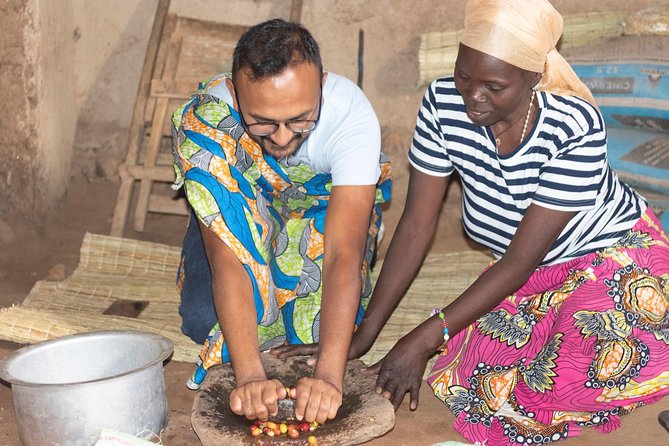
Coffee tastes better when you make it. This hands-on day from Kigali takes you into rural Rwanda to pick coffee cherries, wash and pulp them, then roast and grind the dried beans yourself. I like the honest link between farm and cup, and I like that lunch is a normal Rwandan family meal rather than a restaurant stop. The main thing to note is that transport from Kigali costs extra, and the meeting point is in Muhanga, also called Gitarama.
The day also gives you time with local people through Azizi Life and its artisan community. The welcome feels personal, with guides such as Bona helping visitors understand village life without turning every moment into a sales pitch. I especially like the choice between fetching water and helping prepare food. Still, you need a moderate fitness level, since the route includes uneven ground and practical work.
In This Review
- Key points to know before booking
- From Kigali to Muhanga, then out to the village
- Meeting the coffee plants and choosing ripe cherries
- Water, food preparation, and the work behind every cup
- A local Rwandan lunch with time to talk
- Roasting and grinding the coffee by hand
- Azizi Life and the human side of the visit
- What $90 includes, and when it feels worthwhile
- How demanding is the five to eight hour schedule?
- Booking, cancellation, and small practical details
- Who should book the Rwandan Coffee Experience?
- FAQ
- Where does the Rwandan Coffee Experience start?
- Is transportation from Kigali included?
- What transportation is included?
- How long does the experience last?
- What will I do during the coffee activity?
- Is lunch included?
- Is this a private tour?
- How many people are required to book?
- Can I cancel for a full refund?
- Should you book it?
Key points to know before booking
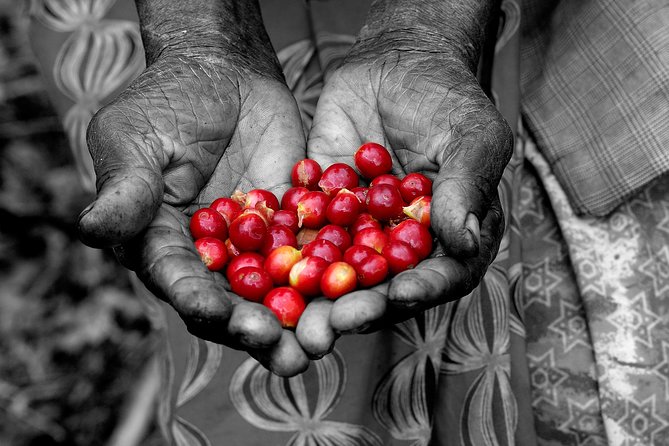
- You handle the coffee from plant to cup: Pick ripe cherries, wash and pulp them, dry them, then hand roast and grind the beans.
- The village visit includes a real family meal: Lunch is local Rwandan food prepared in the style the household normally eats.
- Bona has received warm praise as a guide: His welcome and the time spent with the cooperative help keep the day friendly and personal.
- The meeting point is in Muhanga, not central Kigali: Return transport from Muhanga to the village is included, but Kigali pickup requires an added fee.
- Plan on five to eight hours: The day has several working stages, so this is more than a short coffee tasting.
- It is a private activity for your own group: At least two people must book, and group discounts are available.
From Kigali to Muhanga, then out to the village
The practical detail that shapes this day is the meeting point: NR1 in Gitarama, now commonly called Muhanga. The advertised schedule allows starts between 8:00 and 11:00 each day, but you should confirm the precise time at booking because the full activity can last from five to eight hours.
If you are staying in Kigali, transportation is not included in the listed price. Azizi Life can arrange it for an additional charge, which makes the total cost higher than the advertised $90 per person. If you can reach Muhanga yourself, the included transport takes you from town to the village and back to the meeting point.
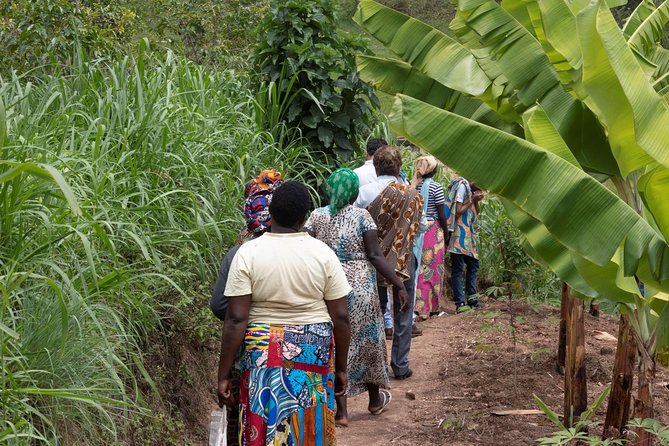
The drive out is part of the appeal. You leave the city behind and see more of the countryside before the working part of the day begins. The itinerary starts with a briefing, so you are not simply dropped into farm work without context. On arrival, you are welcomed and given suitable clothing for the activities.
That small preparation matters. You will be walking on uneven surfaces, working around plants, and taking part in household tasks. Wear comfortable clothes and shoes you can use outdoors. The operator does not list a strict age limit, but children must stay with an adult, and the child price applies only when sharing with two paying adults.
Other coffee and tea plantation visits:
- Kigali: Traditional Coffee Experience ( Bean to Brew)
★ 4.8 · 54 reviews - Women-led Coffee Farm Trek
★ 5.0 · 19 reviews - Painting with Delicious Coffee
★ 5.0 · 9 reviews
Meeting the coffee plants and choosing ripe cherries
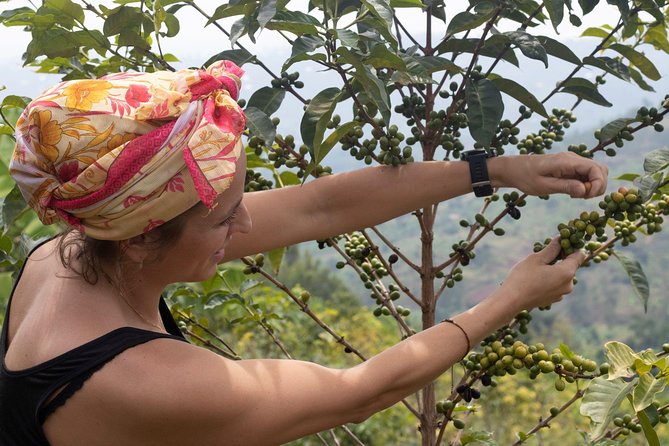
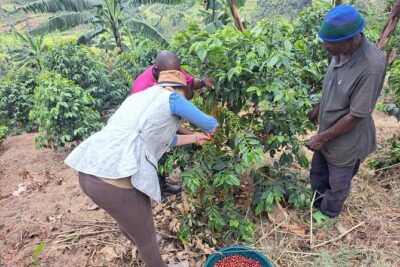
The first real lesson takes place in the coffee fields. You learn what the plants look like and how to select suitable cherries before you begin harvesting. This turns a familiar drink into a series of decisions you can see and feel.
Coffee production often sounds simple when described in a café menu. Here, you take part in the first step yourself. The selection process also helps explain why careful picking matters. The goal is not just to strip fruit from a branch, but to choose the right cherries.
I like this part because it gives you a clear connection between farming and the final drink. You are not watching a demonstration from a distance. You are asked to work with the crop, following the local instructions and pace.
The physical effort should be modest for most people with reasonable fitness, but this is not a seated cultural talk. Uneven ground, walking between plants, and several hours of activity can make the day tiring. If you have mobility concerns, ask Azizi Life for more detail before paying.
Water, food preparation, and the work behind every cup
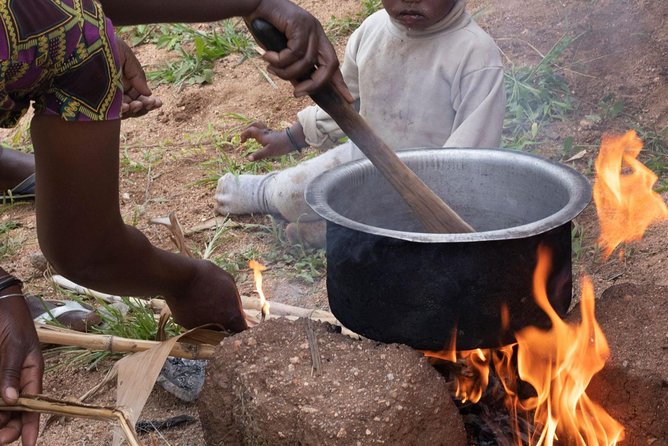
After harvesting, you have a choice. You can help fetch water or go to the kitchen and assist with food preparation. That choice gives the day some flexibility, especially if you would rather focus on household life than carry water.
The water task offers a direct look at one of the less visible steps in food and coffee preparation. It is easy to forget how much work goes into basic household needs when water appears from a tap. The kitchen option gives you a different way to take part and may suit you better if you want more time around meal preparation.
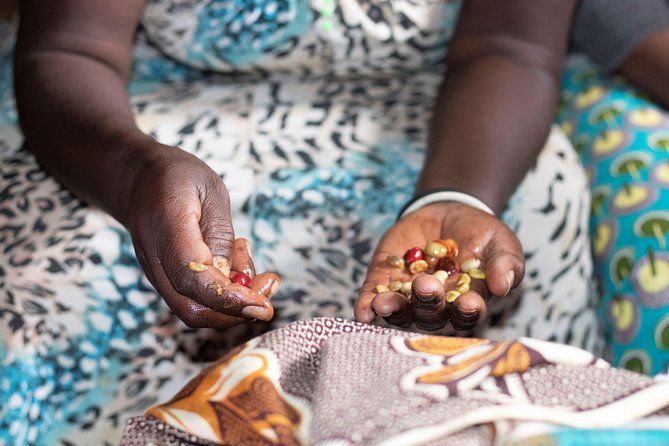
You then wash and pulp the coffee cherries. The pulp is removed, and the beans are left to dry. This stage makes the coffee process easy to follow because you can see the fruit change from a fresh cherry into something ready for roasting.
The day works best if you approach these tasks with patience. You are not racing through a factory line. The pace is set by the activities, the household, and the guide. That is one reason the five to eight hour estimate has such a wide range.
A local Rwandan lunch with time to talk
Lunch is included and consists of local Rwandan food that the family would normally eat. The meal is not presented as a separate tourist performance. It is a chance to sit down, eat, and ask your hosts about daily life in the community.
For me, this is one of the strongest parts of the schedule. The coffee work gives you a practical reason to be there, while lunch creates time for conversation. You can ask about the cooperative, household routines, and life in the village, provided the conversation is comfortable for everyone.
The setting also helps explain the price. You are paying for a local guide, a host, transport from Muhanga to the village, lunch, drinks, and a full day of instruction. The meal alone is not the point, but it adds real value because it connects the farm work to the people who live there.
Coffee and tea are included, as is bottled water. Gratuities are included too, so you do not need to calculate a separate tip into the listed cost. Items from the gift shop are extra.
Other coffee mornings in Kigali:
- Specialty Coffee Masterclass
★ 5.0 · 33 reviews - Full Day Shared Akagera Safari Tour with Lunch and Coffee
★ 5.0 · 15 reviews - Local Community Tour(Cultural, Coffee,Village walk,Local food)
★ 5.0 · 8 reviews - Private Half-Day Guided Kigali City Tour with Coffee Break Included
★ 5.0 · 6 reviews
Roasting and grinding the coffee by hand
After lunch, the dried coffee is roasted by hand. This is the moment when the beans begin to take on the aroma and color you associate with coffee. You then grind them yourself before drinking the finished coffee or tea provided during the day.
The hand-roasting stage is likely to be the most satisfying part for anyone who enjoys food or drink experiences. You have followed the coffee from the plant through washing and drying, and now you help complete the transformation. The final cup has a clear story behind it because your hands were involved at every major step.
This is not a polished coffee class with professional equipment and formal tasting notes. That is a benefit if you want a grounded rural activity, but it may disappoint you if you expect a specialty coffee workshop focused on brewing methods, flavor charts, or technical details.
The advertised description cuts off after the phrase hand roast and grind dried coffee, so the exact final brewing method is not specified. You should expect a cup connected to the day’s work, but do not book this solely for a formal barista lesson.
Azizi Life and the human side of the visit
Azizi Life organizes the activity, and the day includes time at its base before or around the village visit. One review describes arriving at Azizi, having coffee and pastry, and browsing items made by local artisans before departing. The gift shop is optional, and purchases are not included in the tour price.
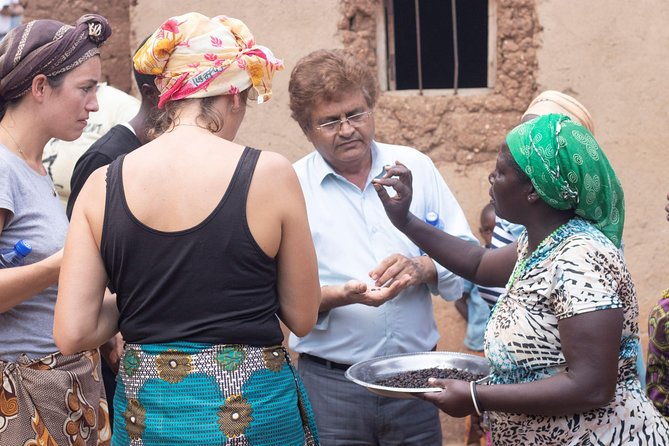
The strongest praise focuses on the lack of a hard sales atmosphere. That matters because cultural visits can feel uncomfortable when every interaction quickly turns into a purchase request. Here, the artisan stop is presented as a way to meet the community and see locally made goods, while buying something remains your choice.
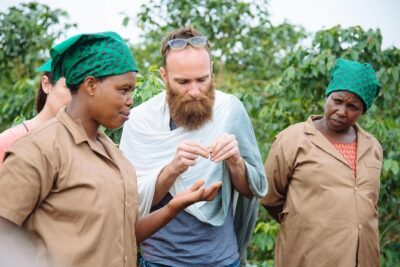
Guide Bona is mentioned by name in the warmest account of the day. The welcome from Bona and the women connected with the cooperative helped create a relaxed visit, with time to understand rural community life. Guide quality can affect any private activity, but it matters especially here because much of the value comes through conversation and explanation.
You should also keep your expectations fair. A village visit cannot give you a complete picture of Rwanda in one day. It offers a personal window into one community and one coffee-making process. Listen carefully, ask respectful questions, and let the hosts set the pace.
What $90 includes, and when it feels worthwhile
The price is $90 per person. That is a substantial amount for a day in Rwanda, especially once you add transport from Kigali. Still, the package includes several costs that would otherwise add up: lunch, bottled water, coffee or tea, a local guide, a tour host, gratuities, and return transport between Muhanga and the village.
You also receive a private activity for your own group. That is useful if you want to ask questions freely or move at a pace that suits your family or companions. A shared group tour might cost less, but it would not provide the same control over the day.
I think the price is fair for visitors who value participation and local contact more than a quick sightseeing stop. It is less compelling if you only want to sample Rwandan coffee, since a café visit would be cheaper and much shorter.
Ask about the Kigali pickup charge before booking. The extra transport can change the total value, particularly for a solo visitor. The minimum booking is two people, and group discounts may help if you are traveling with friends or family.
How demanding is the five to eight hour schedule?
The time range reflects a full chain of activities rather than a single attraction. You have a briefing, a drive to the village, a welcome and clothing change, fieldwork, water collection or kitchen help, coffee processing, lunch, roasting, and grinding.
That makes the day feel substantial, but it also means you should not pack another major activity immediately afterward. The schedule may move faster or slower depending on your group, the household, and the work being done.
A moderate fitness level is required. The operator specifically warns about uneven surfaces. Children need adult supervision, and the child rate has a special condition: it applies only when the child shares with two paying adults.
This is a good choice for couples, families with older children, and small groups who enjoy practical activities. It is not ideal if you want a fully air-conditioned day, a short stop, or a program with no physical work.
Booking, cancellation, and small practical details
Confirmation is provided when you book. The activity operates Monday through Sunday during the listed period, with morning start times between 8:00 and 11:00. Since the date range shown runs through June 18, 2026, check the current availability and exact start time before making firm plans.
Free cancellation is available if you cancel at least 24 hours before the local start time. Cancellations or changes made within 24 hours are not accepted for a refund. That policy is worth noting because the activity depends on transport, food, guides, and a host family.
The tour ends back at the meeting point in Muhanga. Transportation from Muhanga to the village and back is included, but transportation from Kigali is not part of the standard price. Gift shop purchases are also separate.
Who should book the Rwandan Coffee Experience?
Book this if you want to understand coffee as farm work, household work, and community life, not just as a drink. The hands-on steps are the main attraction, and the lunch and conversation give the day a human focus.
I would choose it for visitors with a full day available, a reasonable level of fitness, and genuine interest in rural Rwanda. It is especially suitable for a private group that wants time to ask questions and take part without strangers setting the pace.
Think twice if your main goal is technical coffee education. The program does not promise a detailed lesson in brewing, grading, or tasting. Also think carefully about the added Kigali transport cost and the long duration.
FAQ
Where does the Rwandan Coffee Experience start?
It starts at NR1 in Gitarama, Rwanda. Gitarama is also referred to as Muhanga Town.
Is transportation from Kigali included?
No. Transportation from Kigali is not included in the $90 price, but it can be arranged for an additional charge.
What transportation is included?
Return transportation from Muhanga Town to the village is included. The activity ends back at the meeting point.
How long does the experience last?
The experience takes approximately five to eight hours.
What will I do during the coffee activity?
You will learn how to select and harvest coffee cherries, wash and pulp them, leave them to dry, then hand roast and grind the dried coffee.
Is lunch included?
Yes. Lunch is included and consists of local Rwandan food that the host family would normally eat.
Is this a private tour?
Yes. Only your group participates in this private activity.
How many people are required to book?
A minimum of two people per booking is required.
Can I cancel for a full refund?
Yes, if you cancel at least 24 hours before the experience start time. Cancellations or changes made less than 24 hours before the start are not refunded or accepted.
Should you book it?
I would book the Rwandan Coffee Experience if you want a slow, practical day built around real work and conversation. The strongest reasons are the full coffee process, the local lunch, the private format, and the personal welcome associated with Bona and the cooperative.
Before paying, confirm the Kigali transport fee and make sure the physical demands suit your group. If those details work for you, $90 buys far more than a tasting: it gives you a clear look at how coffee moves from a hillside plant to a cup, with the people and routines behind it kept firmly in view.
Recently added in Kigali
- Vegan Fine Dining Experience★ 5.0 · 5 reviews
- Walking Food Tour in Remera and Kigali★ 5.0 · 4 reviews
- 2 Days Mountain Gorilla Safari Rwanda★ 5.0 · 4 reviews
- Traditional Drumming and Dancing Class★ 5.0 · 2 reviews
- Gorilla Trekking Adventure – A Day trip (Only transfer)★ 5.0 · 2 reviews
- Rwanda One Day Gorilla Trekking with Iby’iwacu Culture Visit★ 5.0 · 2 reviews
- Private Transfer from Kigali Airport (KGL) to Kigali★ 4.0 · 5 reviews
- One Day Mount Bisoke Hike Adventure Tour in Volcanoes Park★ 4.5 · 4 reviews
Coffee & Tea Plantation Tours, compared.


Browse the lists this tour appears in