
Review · RWANDAN CRAFT WORKSHOPS
Kigali: Traditional Kubumba Pottery Making with Local Women
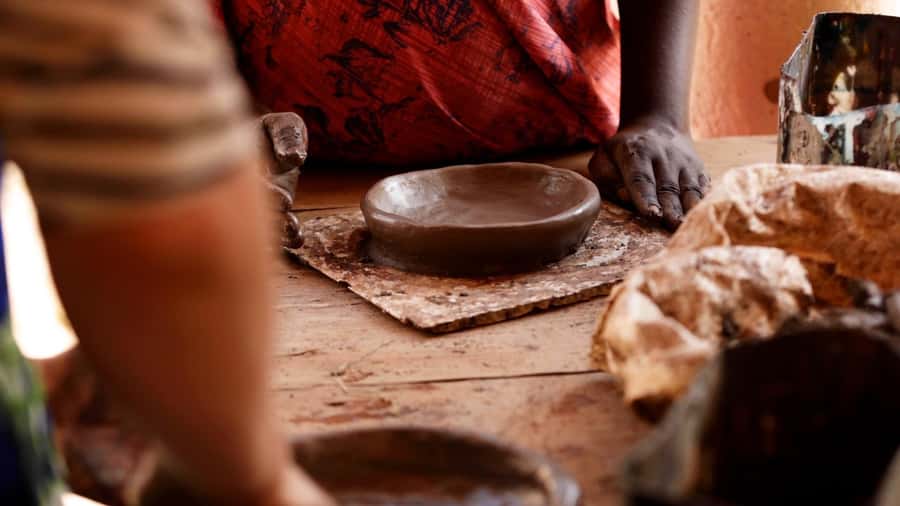
Clay tells a story here. Kubumba Delight gives you a friendly, hands-on way to learn a Rwandan craft while working with local artisans connected to NuttinTODO. I like the patient teaching, especially from Mariam and Gloria, and I like that your $30 supports community initiatives rather than buying a forgettable souvenir. The main catch is timing: your piece may need about three days to harden, so you might not be able to take it home if you leave Kigali soon.
This is a compact one-hour activity, not a full pottery course. You receive the materials, cultural background, and guidance in English or Swahili, then shape and decorate your own piece. Families and first-time crafters are especially well suited, though the experience can feel thin if you expect a long talk about Rwandan pottery or close attention every minute.
In This Review
- Key points to know before shaping your clay
- What Kubumba means in this Kigali experience
- Your first few minutes with the local artisans
- Shaping, molding, and decorating your own piece
- The coffee shop and gallery setting
- The important issue: when can you take your pottery home?
- How much value does $30 provide?
- Why the community connection matters
- Who will enjoy this pottery hour most?
- Practical planning for your Kigali schedule
- A balanced look at the teaching
- Should you book Kubumba Delight?
- FAQ
- How long does the Kubumba pottery experience last?
- How much does the experience cost?
- Which languages are spoken during the activity?
- Are pottery materials included?
- Can I take my pottery piece home?
- Is transportation included?
- Can I cancel for a refund?
- Is this activity suitable for children?
Key points to know before shaping your clay
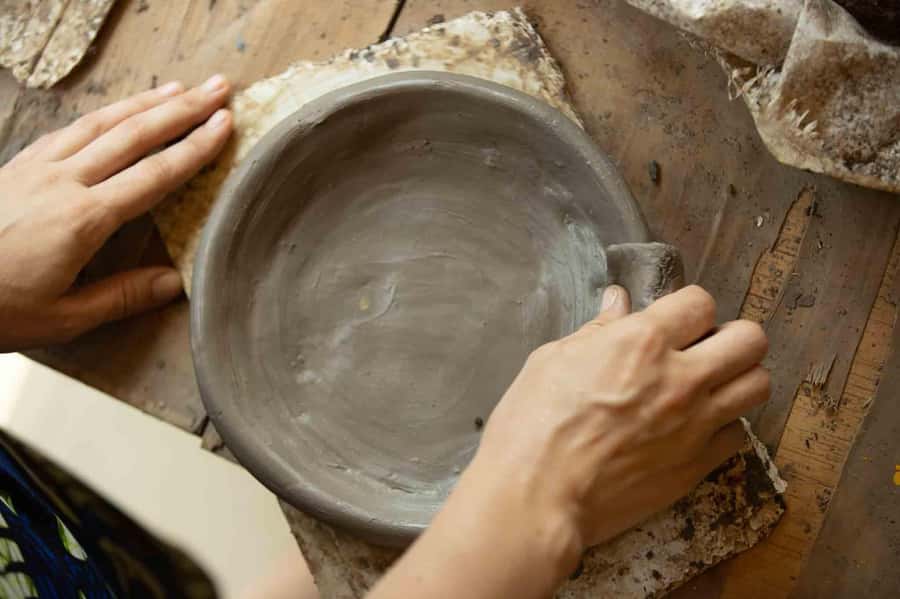
- Your pottery may need three days to dry: Ask about collection or delivery before you begin, especially during rainy weather.
- Mariam and Gloria have earned warm praise: Their patience, kindness, and care are a major part of the experience.
- The setting is a coffee shop and gallery: You may be able to enjoy coffee, smoothies, pastries, and paintings alongside the activity.
- Children can take part: Eight-year-old twins were guided carefully while still having room to make their own choices.
- The activity lasts one hour: It fits neatly into a Kigali morning or afternoon, but it leaves little time for a detailed cultural lesson.
- Your booking has a local benefit: The activity supports artisans and community development connected with NuttinTODO and Go Rwanda Now.
What Kubumba means in this Kigali experience
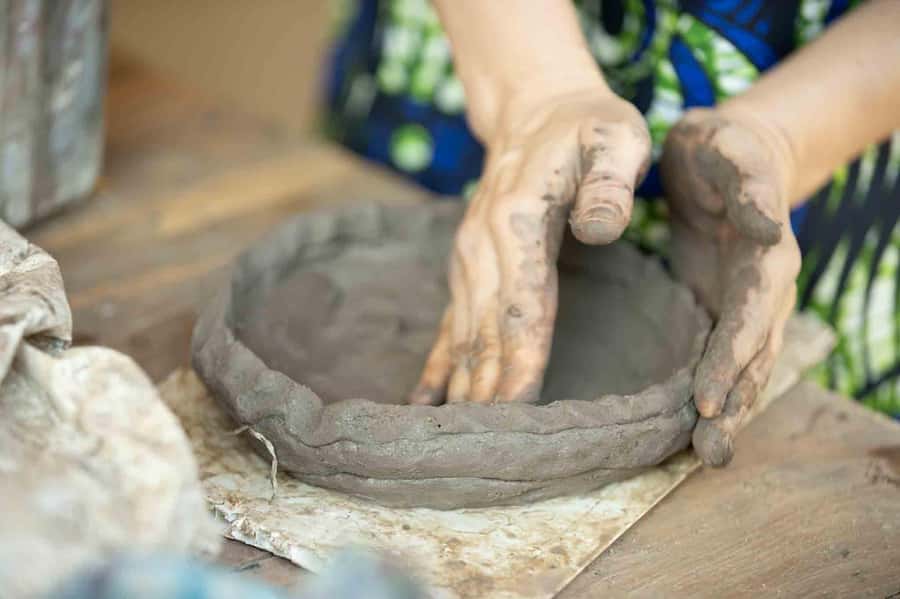
Kubumba is the traditional pottery art at the center of this activity. You are not simply buying a finished bowl or ornament. You are handling the clay yourself and learning the basic work behind the object.
The session begins with an introduction to Kubumba and its cultural importance. That opening matters because it gives the craft a setting beyond make something, take something. You learn why pottery has a place in Rwandan culture before moving on to the practical work of shaping and decorating.
The information provided does not spell out a long presentation or a detailed account of particular pottery forms. I would set your expectations accordingly. This is best viewed as a short cultural craft session, not a museum lecture or professional studio class.
That balance can be a strength. You get a clear taste of the tradition without giving up half a day in Kigali. If you want a much deeper study of Rwandan ceramics, you will need to ask questions during the session and make good use of the artisan’s time.
Other craft sessions with Kigali makers:
- Kigali: Traditional Basket Weaving in a Garden
★ 4.8 · 41 reviews - Kigali:Traditional Imigongo Painting with an Incredible View
★ 4.8 · 10 reviews - Imigongo Painting Class
★ 5.0 · 5 reviews
Your first few minutes with the local artisans
The activity is led by local women associated with NuttinTODO. The named instructors include Mariam and Gloria, and the strongest praise centers on their warmth and teaching style.
Mariam has been described as patient, kind, and careful in her instruction. That is useful when your first attempt at pottery looks less like a bowl and more like a small clay accident. A good teacher helps you keep working without taking over the piece.
Gloria adds a friendly presence to the session. The personal connection appears to be an important part of the morning, not a minor extra. You are spending time with local artisans, not moving through a production line where someone hands you a pre-made object.
Instruction is available in English and Swahili. That makes the session practical for many visitors, though the amount of explanation can depend on the people leading your particular appointment. One poor experience involved very little conversation and an unhelpful translator, so I would ask questions directly and politely if you want more background.
Useful questions include:
- What does Kubumba mean in Rwandan culture?
- Which pottery techniques are traditional?
- How long will my piece need to dry?
- Can I collect it later, or can it be sent to me?
- What happens to the pottery after it hardens?
Those questions can turn a simple craft hour into a more meaningful exchange.
Shaping, molding, and decorating your own piece
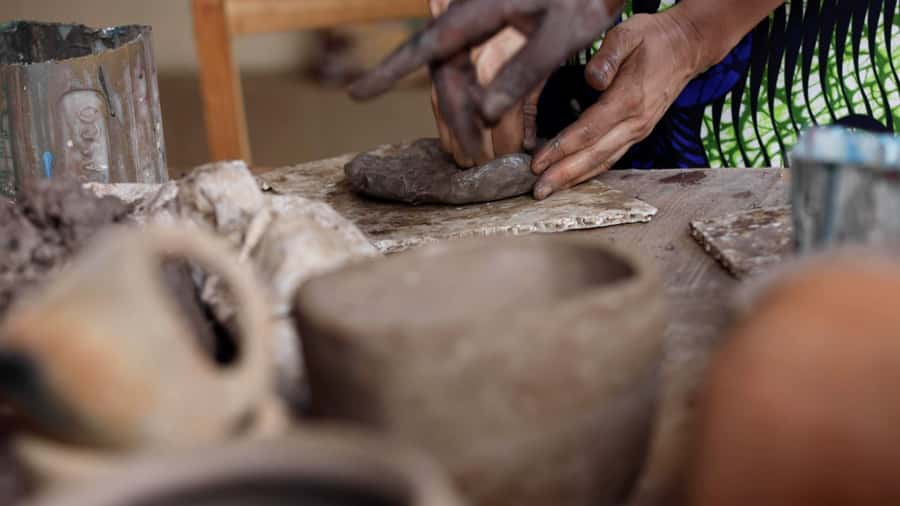
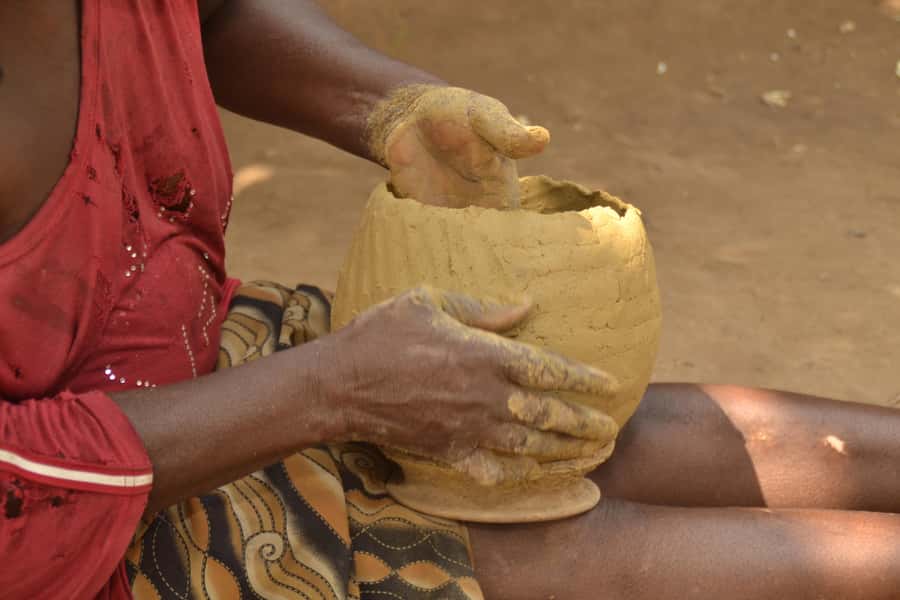
Once the introduction is finished, you work with the clay. The session covers basic methods of shaping, molding, and decorating. You get the necessary materials, and the artisan guides you through the process.
The appeal is the direct contact. You feel the clay change under your hands, make decisions about the form, and leave with an object that carries your own uneven fingerprints. That last point is part of the charm. Your piece is personal because it will not look exactly like anyone else’s.
Do not expect flawless results on your first try. The activity is designed for ordinary people, not trained potters. The guidance helps you create something presentable, but the point is participation and learning rather than showroom quality.
The instructors appear to strike a good balance between helping and allowing independence. That was especially clear with eight-year-old twins who received careful support while still having room to work on their own pottery. If you are booking for children, this is a helpful sign. The session can be joyful without turning into an adult-only lesson.
For adults, the same approach works well. You can ask for help with the shape, then decide how much of the design you want to handle yourself. I prefer that to an activity where the artisan quietly finishes the object while you watch.
The coffee shop and gallery setting
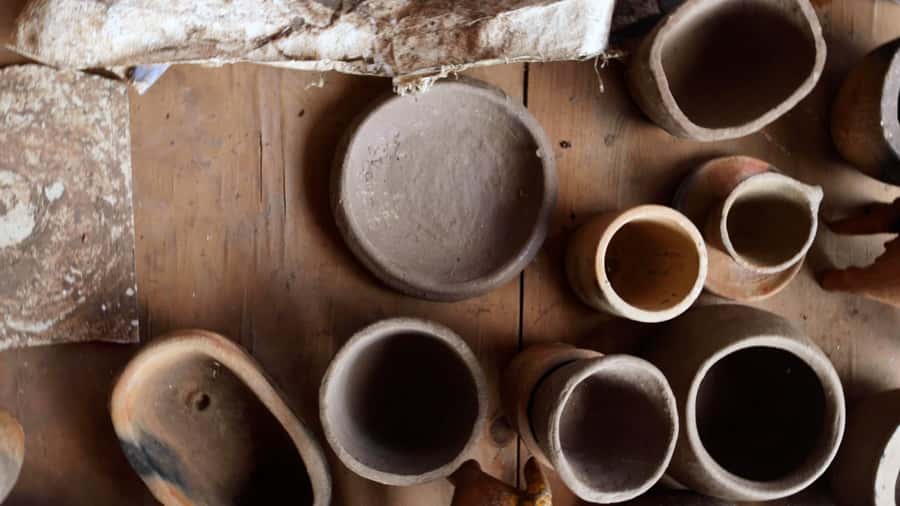
The pottery session takes place at a coffee shop with a gallery area displaying paintings by several artists. This gives the hour a more relaxed setting than a bare workshop, and it adds another layer to the visit.
A complimentary drink may be available with the pottery purchase price, up to 3,500 Rwandan francs. Coffee, fresh smoothies, and pastries have all been praised, so you may want to allow a little time to enjoy the setting rather than rushing away as soon as the clay work ends.
Keep the wording in mind: the drink detail comes from the experience feedback, while the core activity information lists pottery materials and instruction but does not list meals or refreshments as standard inclusions. I would confirm the drink arrangement when booking or on arrival, especially if it matters to your budget.
The gallery also gives you something to look at while your piece is being handled or prepared. Paintings from multiple artists help make the stop feel connected to Kigali’s creative community. Still, the central reason to book remains the pottery, not a full gallery tour or café visit.
A couple more Kigali trips worth comparing
- Kigali City Tour
★ 5.0 · 452 reviews - Kigali: Walking Tour with a Local Guide
★ 4.9 · 234 reviews - One-day Akagera National Park Game Drive with a Choice 4×4
★ 5.0 · 105 reviews - Private Full-day Kigali City Tour with Pickup and Lunch
★ 5.0 · 79 reviews
The important issue: when can you take your pottery home?
The promised souvenir comes with a practical condition. Your pottery needs time to harden, and one clear account says it may take about three days.
That matters greatly if Kigali is only your first stop in Rwanda. You may finish the activity, admire your piece, and then discover that it cannot safely travel with you yet. During rainy weather, drying can take even longer. One person had to leave without a finished piece because there was not enough time for it to dry.
The activity information says you receive a personalized pottery piece to take home, but the timing is not fully explained. Before booking, ask exactly how this works. The key questions are:
- Is the piece collected after three days?
- Can NuttinTODO keep it for later collection?
- Is delivery available?
- Does the drying period change during rainy weather?
- Is the final piece fired, or simply dried?
The available details do not answer those questions. I would not assume that your item will be fired or shipped unless the provider confirms it.
If you have several days in Kigali, this may be a minor inconvenience. You can return later, if that option is offered. If you are departing the country soon, the souvenir becomes less certain. You may still enjoy making it, but you should know that take home may mean later collection rather than immediate packing.
How much value does $30 provide?
At $30 per person, this is not the cheapest way to spend an hour in Kigali. Its value depends on what you want from the purchase.
You receive a guided activity, all pottery materials, cultural context, instruction from local artisans, and a handmade object. You also help support local initiatives linked with sustainable tourism. That is a stronger proposition than paying only for a finished souvenir, especially if you enjoy meeting makers and trying a craft yourself.
The coffee shop setting may add value through a drink and the chance to see local artwork. If the complimentary drink is available as described, it makes the price feel a little easier to swallow. I would still treat the coffee as an added benefit rather than the main reason to book.
The one-hour length keeps the financial commitment modest. You are not giving up an entire day, and the activity can fit around other Kigali plans. On the other hand, a short session limits how much technique and cultural detail you can cover.
For me, the price works best when you value three things: a personal activity, direct contact with local artisans, and community support. If you only want a cheap object to pack into your luggage, buying finished pottery may be simpler.
Why the community connection matters
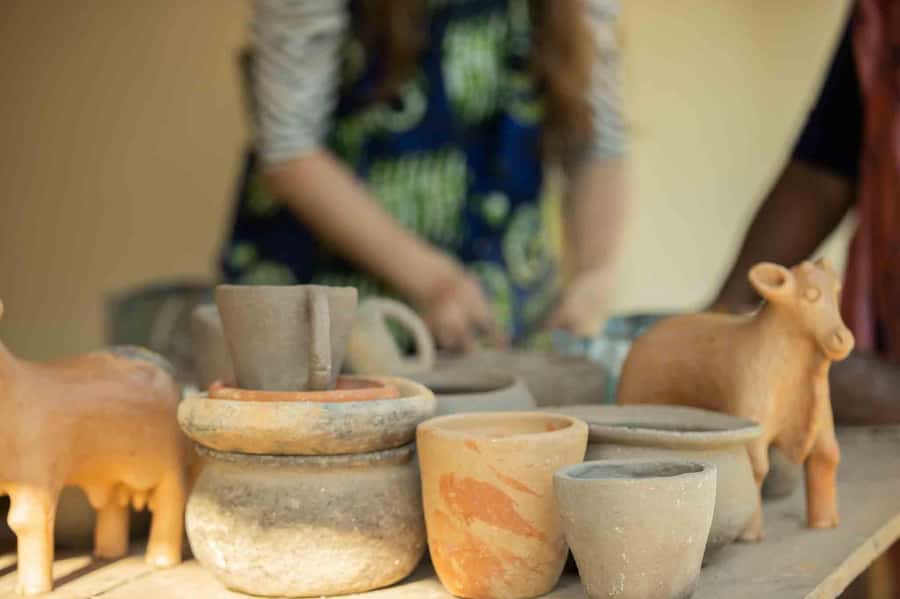
Your booking supports artisans and local initiatives associated with NuttinTODO. The activity also identifies a contribution to community development through Go Rwanda Now.
That makes the experience part of a wider local economy. You are paying for time, teaching, materials, and creative work. The artisan does not disappear behind a shop counter. You see at least part of the process and learn from the person who practices it.
I would still keep your expectations grounded. A one-hour booking cannot solve every challenge linked with sustainable tourism. What it can do is direct money toward a local activity and give you a more personal connection to the craft.
The best way to support that effort is to treat the artisans with respect, ask thoughtful questions, and avoid judging your piece by professional standards. A slightly lopsided pot is not a failure. It is evidence that you made it yourself.
Who will enjoy this pottery hour most?
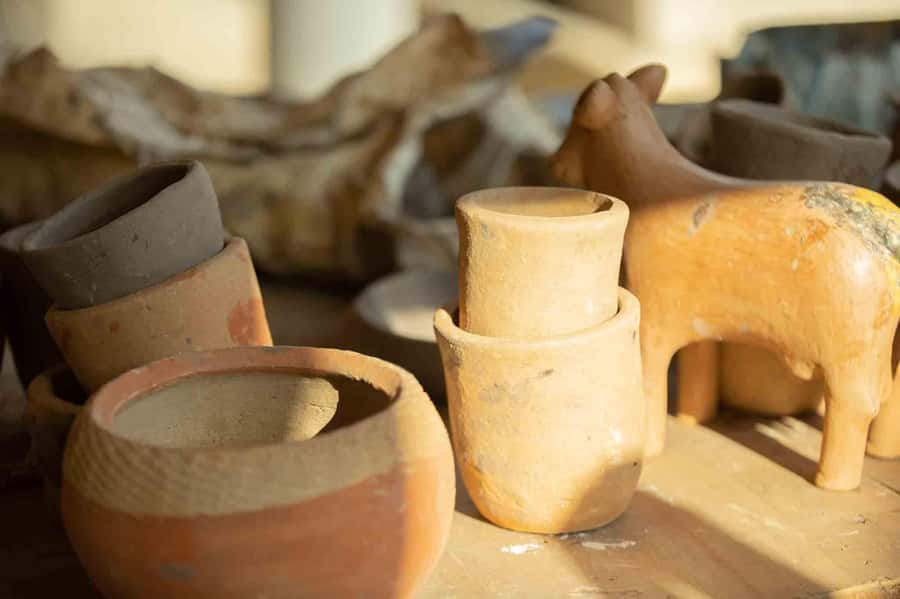
This is a good fit for families, couples, solo visitors, and anyone who wants a short creative break in Kigali. Children are welcome in practice, and the experience worked well for eight-year-olds when the instructor offered patient, individual attention.
You will probably enjoy it most if you like learning by doing. The clay gives you something active to focus on, and the finished object offers a physical reminder of your time in Rwanda.
It also suits people who prefer a small-scale cultural activity to a large organized excursion. The available information does not give a group size, so I cannot promise an intimate appointment. Still, the experience is built around artisan instruction rather than a large sightseeing route.
You may want to skip it if you need a finished souvenir immediately, dislike messy handwork, or want a full academic account of Rwandan pottery. The one-hour format is friendly and accessible, but it is not an advanced class.
Practical planning for your Kigali schedule
The duration is one hour, with starting times based on availability. That makes it easy to place between other plans, but remember to allow extra time if you want to enjoy the coffee shop and gallery.
Transportation to and from the studio is not included. You will need to arrange your own way there and back. The activity details provided here do not give a street address or pickup service, so confirm the exact meeting point before setting out.
Meals and refreshments are also not included in the standard activity details. The café feedback is encouraging, but I would not plan this as a meal stop unless the provider confirms what is available.
The instructor languages are English and Swahili. If you want cultural explanation rather than only physical instruction, say so at the start. A few well-aimed questions can make the session more rewarding.
The booking terms are flexible: you can cancel up to 24 hours in advance for a full refund, and reserve now while paying later. Those details are useful when your Kigali schedule is still shifting.
A balanced look at the teaching
The strongest part of the experience is the human side. Mariam and Gloria received especially warm praise for being kind, patient, talented, and enjoyable company. Another instructor was called very nice and helpful, and the setting was appreciated for its art and welcoming feel.
That positive pattern suggests the teaching can be excellent when the right guide is engaged. It also points to one practical lesson: the session depends heavily on the person leading it. A good artisan can turn a basic activity into a memorable hour. A distracted translator or quiet guide can leave you feeling that you simply killed time.
If the explanation feels too brief, speak up early. Ask for the cultural story, request help with a technique, or ask the artisan to show you a traditional form. You are paying for guidance, so it is reasonable to take part in shaping the lesson.
The activity is affordable enough that even a less polished hour may not feel like a major loss. Still, the difference between an average session and a great one is large. Clear communication at the beginning gives you the best chance of getting the experience you want.
Should you book Kubumba Delight?
Book it if you want a short, hands-on Kigali activity led by local women, especially if you are traveling with children or enjoy making your own souvenirs. The patient instruction, coffee shop and gallery setting, and community connection give the hour more substance than a standard shopping stop.
Book with caution if you leave Kigali soon. The drying time is the key issue, and you should confirm how your pottery will reach you before committing. Also, do not expect a long formal lesson. This is a friendly introduction to Kubumba, not a full course in Rwandan ceramics.
For most visitors, I would call it good value when the artisan interaction matters as much as the object. Go ready to get your hands dirty, ask questions, and accept that your pot may have character. Just settle the collection plan first.
FAQ
How long does the Kubumba pottery experience last?
The pottery activity lasts one hour.
How much does the experience cost?
The listed price is $30 per person.
Which languages are spoken during the activity?
Instruction is available in English and Swahili.
Are pottery materials included?
Yes. All necessary materials for the pottery activity are included.
Can I take my pottery piece home?
A personalized pottery piece is included, but it may need about three days to harden before you can take it. During rainy weather, drying may take longer. Confirm collection or delivery arrangements before booking.
Is transportation included?
No. Transportation to and from the pottery studio is not included.
Can I cancel for a refund?
Yes. You can cancel up to 24 hours in advance for a full refund.
Is this activity suitable for children?
The activity has worked well for eight-year-old children, with patient guidance and space for them to work independently. The provided information does not set a formal minimum age.
Recently added in Kigali
- Vegan Fine Dining Experience★ 5.0 · 5 reviews
- Walking Food Tour in Remera and Kigali★ 5.0 · 4 reviews
- 2 Days Mountain Gorilla Safari Rwanda★ 5.0 · 4 reviews
- Traditional Drumming and Dancing Class★ 5.0 · 2 reviews
- Gorilla Trekking Adventure – A Day trip (Only transfer)★ 5.0 · 2 reviews
- Rwanda One Day Gorilla Trekking with Iby’iwacu Culture Visit★ 5.0 · 2 reviews
- Private Transfer from Kigali Airport (KGL) to Kigali★ 4.0 · 5 reviews
- One Day Mount Bisoke Hike Adventure Tour in Volcanoes Park★ 4.5 · 4 reviews
Rwandan Craft Workshops, compared.

Traditional Imigongo Painting with an Incredible View
Read our review →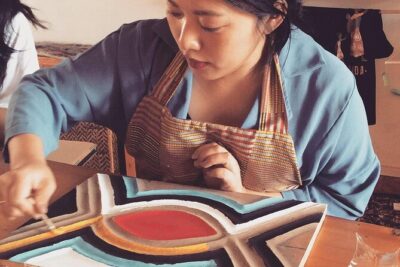
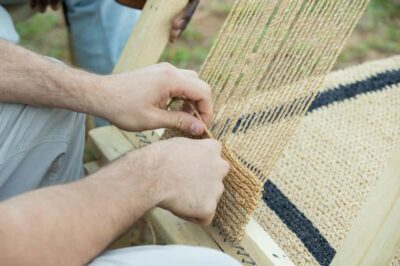
Traditional Carpet Weaving (Ikirago) + amazing views
Read our review →Browse the lists this tour appears in