
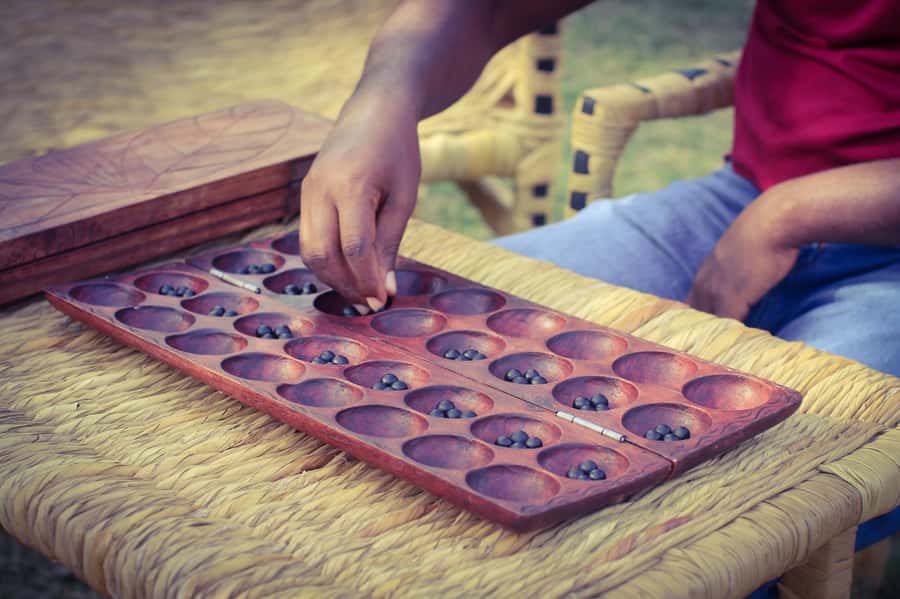
Review · RWANDAN CRAFT WORKSHOPS
Kigali: Learn Rwandan Table Game (IGISORO) with a Local
Games can open doors that sightseeing sometimes misses. In Kigali, this two-hour experience introduces you to Igisoro, a traditional Rwandan board game, through local instruction, friendly competition, and conversation. I like the direct contact with local experts, and I like that you receive a handcrafted Igisoro board to take home. The main consideration is practical: transportation is not included, and the activity is not suitable for children under 12 or people with severe reduced mobility.
The small group, limited to five people, gives the session a personal feel rather than a classroom atmosphere. I also like the relaxed setting, where refreshments are offered and the game can lead naturally into talk about Rwandan culture. If you want a fast-paced sightseeing stop, this may feel slow, especially because learning the rules and strategy takes patience.
In This Review
- Key Things to Know Before Playing
- Why Igisoro Makes a Good Kigali Cultural Activity
- Meeting the Local Instructor in Kigali
- The First Lesson: Rules Before Strategy
- Playing Against Other Participants
- The Cultural Meaning Behind the Board
- Refreshments and the Optional Meal
- Taking Home a Handcrafted Igisoro Board
- Is $25 a Fair Price?
- Timing, Group Size, and Practical Limits
- Who Should Book the Igisoro Session?
- Should You Book This Kigali Experience?
- FAQ
- How long does the Igisoro activity last?
- How much does the experience cost?
- Is transportation included?
- Is food included?
- What language does the instructor speak?
- How many people can join the group?
- Is the activity suitable for children?
Key Things to Know Before Playing
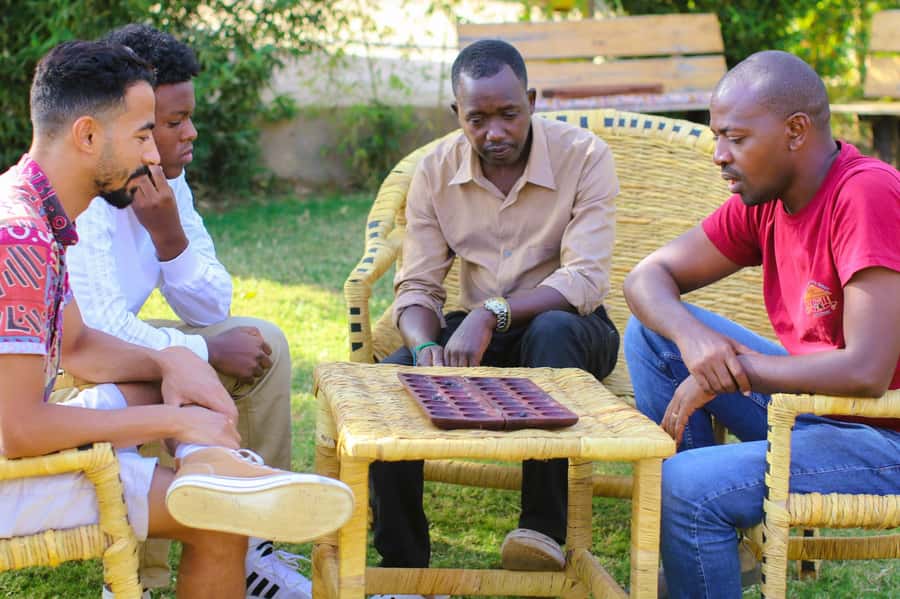
- You learn directly from local Igisoro experts, with the rules and strategies explained before you begin playing.
- The group is limited to five participants, giving you more time to ask questions and play directly with others.
- A handcrafted board comes home with you, making the $25 price more useful than a simple two-hour activity.
- The session connects play with Rwandan culture, explaining why Igisoro has remained meaningful across generations.
- Refreshments are included, but meals and drinks are not, so plan separately if you want a full meal.
- The meeting point may be near Kimironko Bus Park, at Culture Center Umurishyo Art Gallery, based on the experience details shared by Damian.
Why Igisoro Makes a Good Kigali Cultural Activity
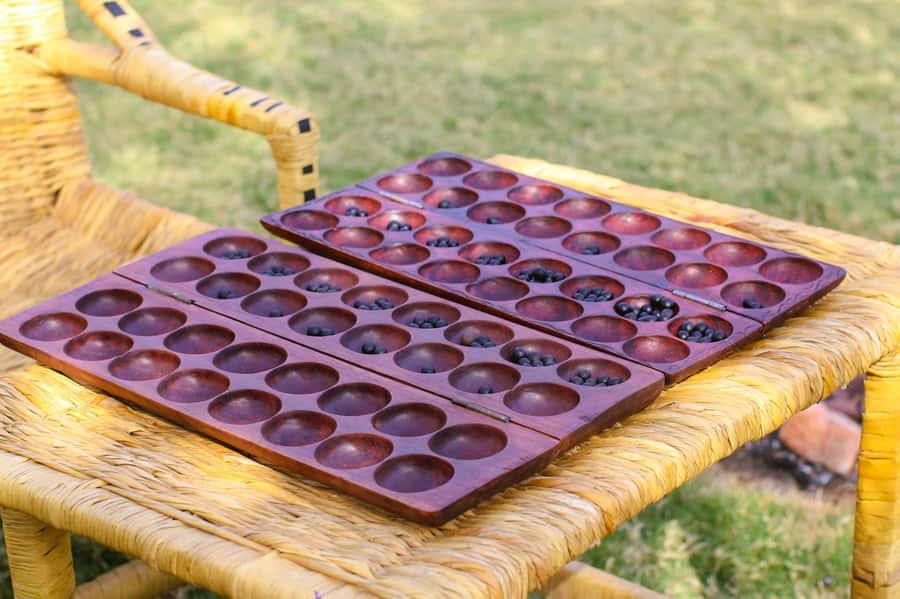
Kigali offers plenty of ways to see Rwanda, but a board game gives you a different kind of cultural contact. Igisoro is not presented as a museum object behind glass. You learn it by sitting down, asking questions, making mistakes, and trying again.
The game belongs to older generations of Rwandans and carries social meaning beyond the mechanics of moving pieces. During the session, your instructor explains how Igisoro fits into Rwandan society while you play. That combination matters. You are not only memorizing rules. You are learning how a familiar local pastime can create conversation, concentration, and friendly rivalry.
I would choose this experience if you have already seen some of Kigali’s major sights and want something quieter. It also works well early in a trip because it gives you an easy way to meet local people without requiring a full day or a long drive outside the city.
The tone is informal. You are encouraged to participate rather than sit back and watch. That makes the activity a good choice for solo visitors, couples, and small groups who enjoy hands-on cultural experiences.
Other craft sessions with Kigali makers:
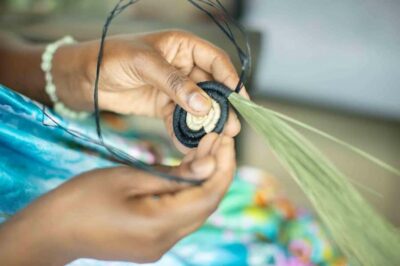
- Kigali: Traditional Basket Weaving in a Garden
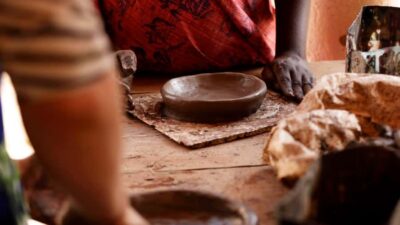
★ 4.8 · 41 reviews - Kigali: Traditional Kubumba Pottery Making with Local Women
★ 4.6 · 12 reviews - Kigali:Traditional Imigongo Painting with an Incredible View
★ 4.8 · 10 reviews
Meeting the Local Instructor in Kigali
The instructor speaks English, so you can ask questions throughout the session. The experience provider is NuttinTODO, and one host named Celestin has been identified at Culture Center Umurishyo Art Gallery near Kimironko Bus Park.
That specific meeting point is useful, but you should still check your confirmed booking for the exact location and starting time. Transportation to and from the activity is not included, so you need to arrange your own way there. The listed price covers the activity itself, not a pickup service.
Celestin’s approach, as described by a participant, began with a friendly welcome and an immediate explanation of the Igisoro rules. The game also created room for ordinary conversation. That is one of the strongest features here. You are not simply receiving a formal talk, then leaving. You are spending time with a local person while doing something together.
Because the group is capped at five, you should have a fair chance to speak with the instructor. A larger group could make a traditional game feel like a demonstration. This format keeps it active and personal.
The First Lesson: Rules Before Strategy
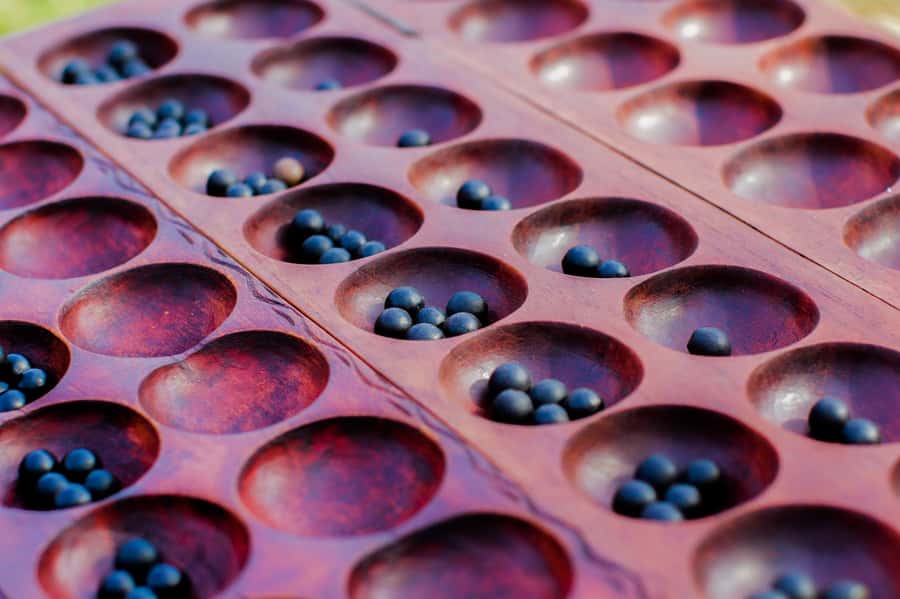
The session begins with an introduction to Igisoro. Your instructor explains how the board works, how play proceeds, and what you need to watch for. The exact game details are taught on site, so you should expect to learn through a mixture of explanation and practice.
Do not worry if the first explanation feels like a lot to remember. Board games often make more sense after you move a few pieces yourself. The useful part of this experience is that the lesson does not stop at a spoken list of rules. You soon begin playing, which lets the instructor correct mistakes and explain why a move matters.
Strategy is part of the lesson, too. Igisoro is described as a meditative game, so the appeal is not only winning quickly. You learn to look ahead, consider consequences, and pay attention to the other player’s choices.
That slower pace may suit you if you enjoy chess, checkers, or other games that reward planning. If you prefer an activity with constant movement, music, or a packed schedule, you may find the two hours more contemplative than exciting.
Playing Against Other Participants
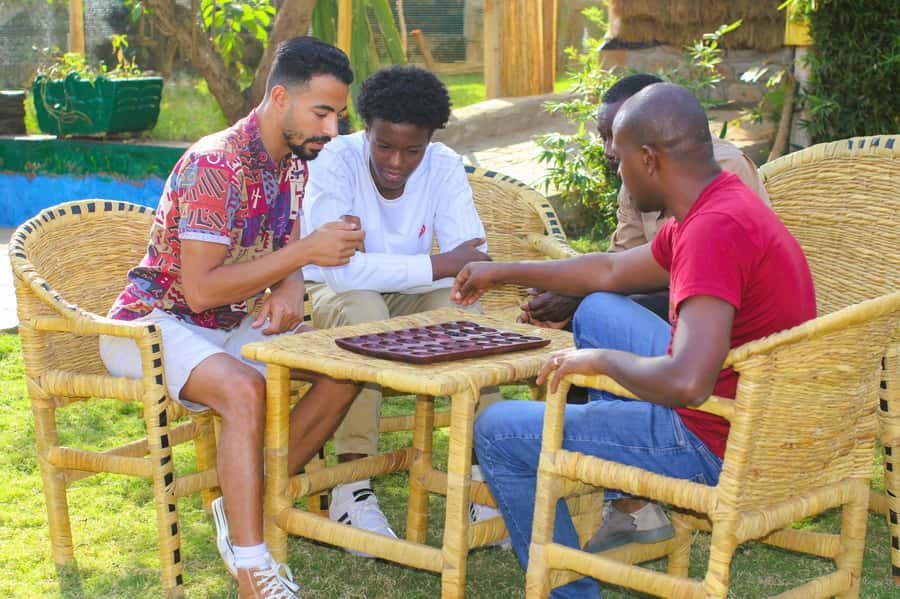
After the introduction, the focus shifts to interactive gameplay. You play with other people in the group and may also play with the local instructor. This is where the session becomes more social.
Friendly competition is encouraged, but the atmosphere is meant to stay relaxed. You can learn from a poor move without feeling that the activity has turned into a serious contest. The small group helps here because everyone has a chance to take part rather than waiting through long turns.
I like this format for solo visitors. A lesson can otherwise leave you standing at the edge of a group, but Igisoro gives you a clear reason to sit down and interact. You have a shared task from the start.
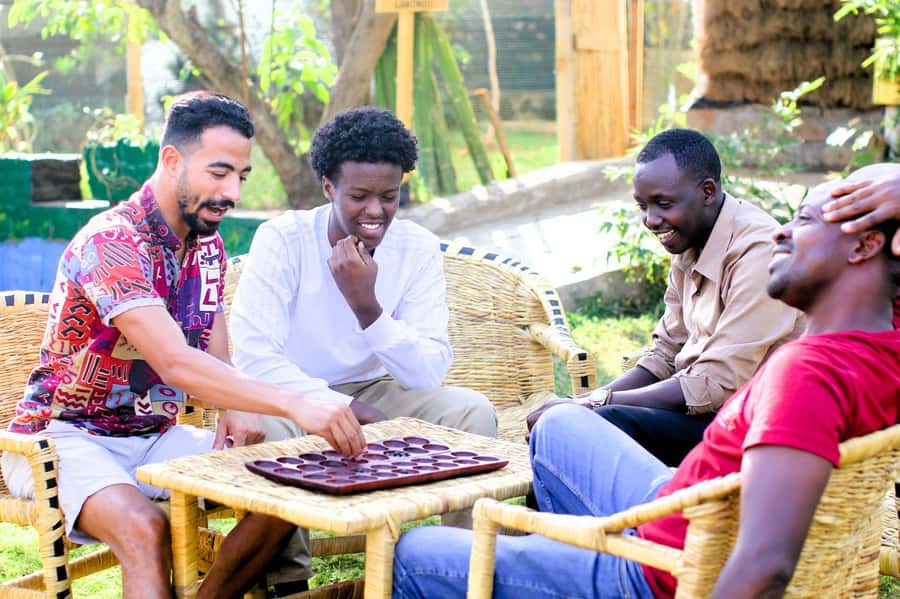
The game can also help break the usual tourist pattern. Instead of simply asking a guide about Rwanda, you are spending time over a local pastime. Conversation may range from the game itself to everyday subjects, as it did during Celestin’s session with Damian.
You should expect some repetition. Learning a new game takes more than one explanation, and a two-hour session may include several attempts. That is not a flaw, but it is worth knowing before you book. The value comes from taking part, not from rushing through a polished performance.
A couple more Kigali trips worth comparing
- Kigali City Tour
★ 5.0 · 452 reviews - Kigali: Walking Tour with a Local Guide
★ 4.9 · 234 reviews - One-day Akagera National Park Game Drive with a Choice 4×4
★ 5.0 · 105 reviews - Private Full-day Kigali City Tour with Pickup and Lunch
★ 5.0 · 79 reviews
The Cultural Meaning Behind the Board
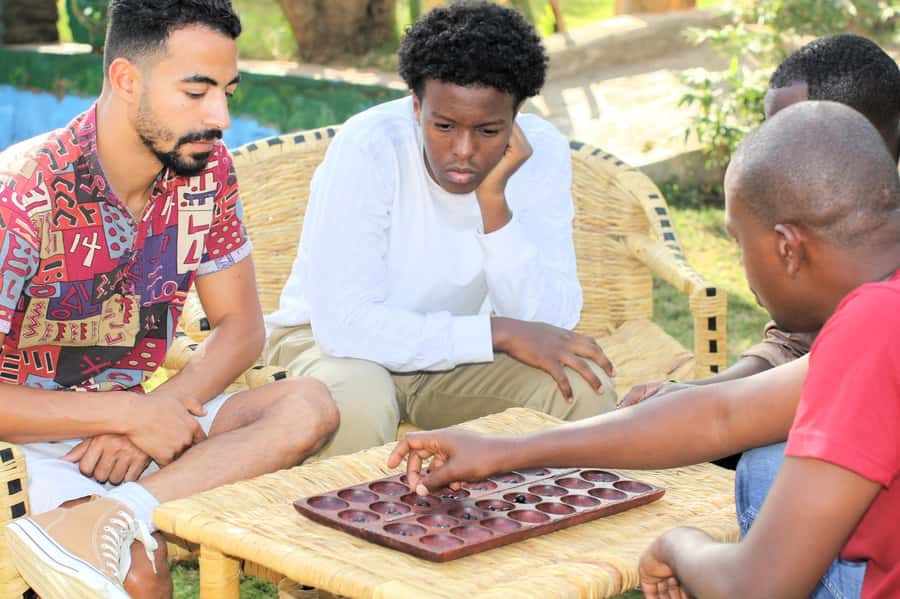
Igisoro has been played by generations of Rwandans, and the session gives context about its place in society. This cultural explanation is important because the board could otherwise look like a simple souvenir.
A traditional game can carry ideas about patience, social connection, competition, and time spent together. You get to explore those ideas while using the board yourself. The lesson is practical, but it also explains why this activity has remained relevant.
The experience does not promise a long lecture on Rwandan history. That is probably a benefit for many people. The cultural information stays tied to what you are doing, so you can understand it in the moment.
I would especially recommend this to anyone interested in everyday culture rather than only major landmarks. You may learn more from seeing how a game is taught and played than from quickly reading a paragraph in a museum display.
At the same time, you should keep your expectations measured. The session lasts two hours and focuses on Igisoro. It is not a general tour of Kigali, a broad introduction to Rwanda, or a substitute for a larger cultural visit.
Refreshments and the Optional Meal
Refreshments are offered during the session, which helps keep the atmosphere comfortable. The provided information does not specify exactly what the refreshments include, so you should not book this expecting a full meal.
Food and drinks beyond the offered refreshments are not included in the $25 price. One participant ate ugali with goat meat at a restaurant on site and found it delicious. That sounds like a useful option if you are hungry after playing, but treat it as a separate purchase rather than part of the activity.
This is one reason to allow a little flexibility around your schedule. You may finish the game and want to stay for food at the location, or you may prefer to continue elsewhere in Kigali.
The setting has also been described as a small cultural village with attractive grounds. That gives the activity more character than a bare lesson in a generic room. Still, the core experience remains the game, not a full meal or extended site tour.
Taking Home a Handcrafted Igisoro Board
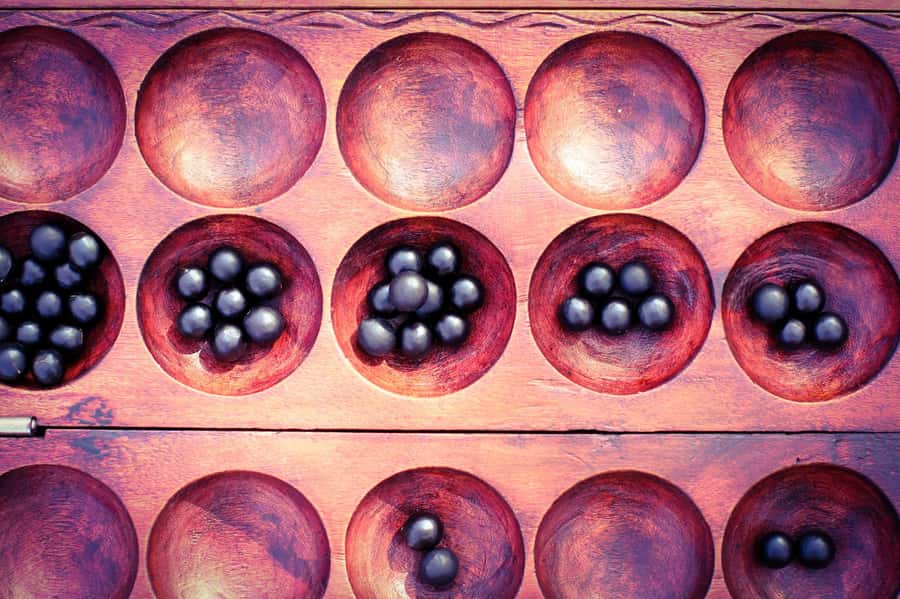
A handcrafted Igisoro board is provided as a keepsake. That changes the value calculation in a useful way. At $25 per person, you are paying for two hours of instruction, refreshments, gameplay, local cultural context, and a physical reminder of the experience.
One participant also bought a beautifully carved board. The wording suggests that additional or especially decorative boards may be available for purchase, but you should confirm prices and availability on site. The included board is the clear takeaway promised with the activity.
I like souvenirs that connect to something you actually did. A board you learned to use has more meaning than an item selected in a hurry from a shop. You can also use it later to explain the game to friends or family, provided you remember the rules.
Do not assume that every board will look identical or that the included item will be a large decorative piece. The information only confirms a handcrafted board as a keepsake. If the board matters greatly to you, ask the host what is included and what optional purchases are available.
Is $25 a Fair Price?
For two hours, $25 is a reasonable price if you value personal instruction and cultural contact. The small group makes the cost more attractive because you are not paying for a large presentation where you barely get a turn.
The handcrafted board adds another practical benefit. Even if you place modest value on the refreshments, you receive an object connected to the lesson and the local tradition.
The value is less convincing if you want a broad sightseeing program. Transportation is not included, and food and drinks beyond the refreshments cost extra. You also need to make your own way to the meeting point, which may add time and transport expense.
I would compare the price with the rest of your Kigali plans. If your schedule is full of paid attractions, this can be a compact cultural change of pace. If you are counting every expense, check the transport cost and decide whether you genuinely enjoy board games before booking.
The perfect audience is someone who likes small groups, conversation, and learning by doing. The wrong audience is someone looking for a major attraction with dramatic views, lots of movement, or a tightly packed itinerary.
Timing, Group Size, and Practical Limits
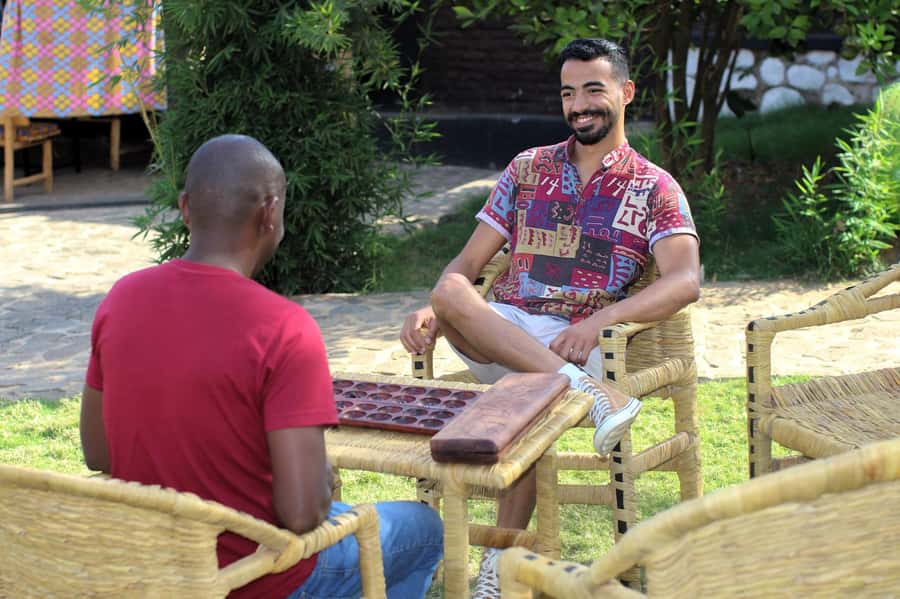
The activity lasts two hours, with starting times available according to the date you choose. That is long enough to receive instruction and play, but short enough to fit into a morning or afternoon in Kigali.
A group of no more than five is a real advantage. It should give you more playing time and make it easier to ask about both strategy and culture. It also means the feel of the session may depend on the people who book alongside you. A quiet group may produce a calm lesson, while a competitive group may create more energy.
The activity is not suitable for children under 12. The information also says it is not suitable for people with severe reduced mobility, and baby strollers or baby carriages are not allowed.
Those limits are worth taking seriously. This is a seated game, but the overall setting and access may not work for everyone with mobility needs. Ask the provider directly if you have a specific concern that is not covered by the basic information.
Cancellation is flexible: you can cancel up to 24 hours before the activity for a full refund. You can also reserve and pay later, which helps if your Kigali plans are still shifting.
Who Should Book the Igisoro Session?
I would point this activity toward adults and older children who enjoy cultural exchange without a rigid tour script. It is a particularly good fit for solo visitors because the game gives you an easy way to interact with local people and other participants.
Couples and friends can book it as a shared activity, but you should be ready to play with others in the small group. The experience is not private based on the information provided.
It also suits repeat visitors to Kigali who have already covered the main city sights. Two hours is enough for something different without consuming an entire day.
I would be more cautious if you have never enjoyed board games. The cultural explanation and social setting add value, but gameplay remains the center of the experience. You should also avoid booking it as a family activity if any participant is under 12.
Should You Book This Kigali Experience?
Book it if you want a relaxed, personal way to learn about Rwandan culture and you enjoy games that reward patience. The strongest reasons are the small group, local English-language instruction, conversation with hosts such as Celestin, and the handcrafted board you take home.
Think twice if you need transportation included, want a full meal, or prefer active sightseeing. Confirm the meeting point, allow extra time for your own transport, and remember that meals and additional drinks are separate.
For the right person, this is a smart Kigali choice: affordable, social, and tied to a real local tradition. It gives you something to do with your hands, something to talk about, and something useful to remember the experience by.
FAQ
How long does the Igisoro activity last?
The activity lasts two hours.
How much does the experience cost?
The price is $25 per person.
Is transportation included?
No. Transportation to and from the activity locations is not included.
Is food included?
Refreshments are offered, but food and drinks are not included in the activity price. A restaurant is available on site, according to the experience details.
What language does the instructor speak?
The instructor speaks English.
How many people can join the group?
The activity is limited to five participants.
Is the activity suitable for children?
The activity is not suitable for children under 12. Baby strollers and baby carriages are also not allowed.
Recently added in Kigali
- Vegan Fine Dining Experience★ 5.0 · 5 reviews
- Walking Food Tour in Remera and Kigali★ 5.0 · 4 reviews
- 2 Days Mountain Gorilla Safari Rwanda★ 5.0 · 4 reviews
- Traditional Drumming and Dancing Class★ 5.0 · 2 reviews
- Gorilla Trekking Adventure – A Day trip (Only transfer)★ 5.0 · 2 reviews
- Rwanda One Day Gorilla Trekking with Iby’iwacu Culture Visit★ 5.0 · 2 reviews
- Private Transfer from Kigali Airport (KGL) to Kigali★ 4.0 · 5 reviews
- One Day Mount Bisoke Hike Adventure Tour in Volcanoes Park★ 4.5 · 4 reviews
Rwandan Craft Workshops, compared.
Traditional Kubumba Pottery Making with Local Women
Read our review →
Traditional Imigongo Painting with an Incredible View
Read our review →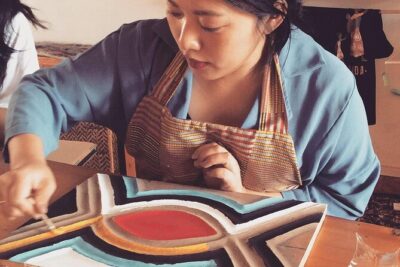
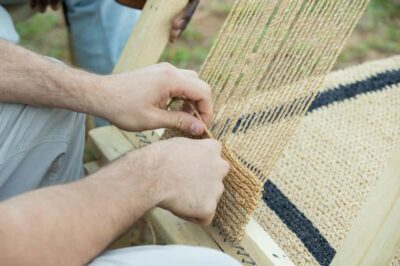
Traditional Carpet Weaving (Ikirago) + amazing views
Read our review →Browse the lists this tour appears in