
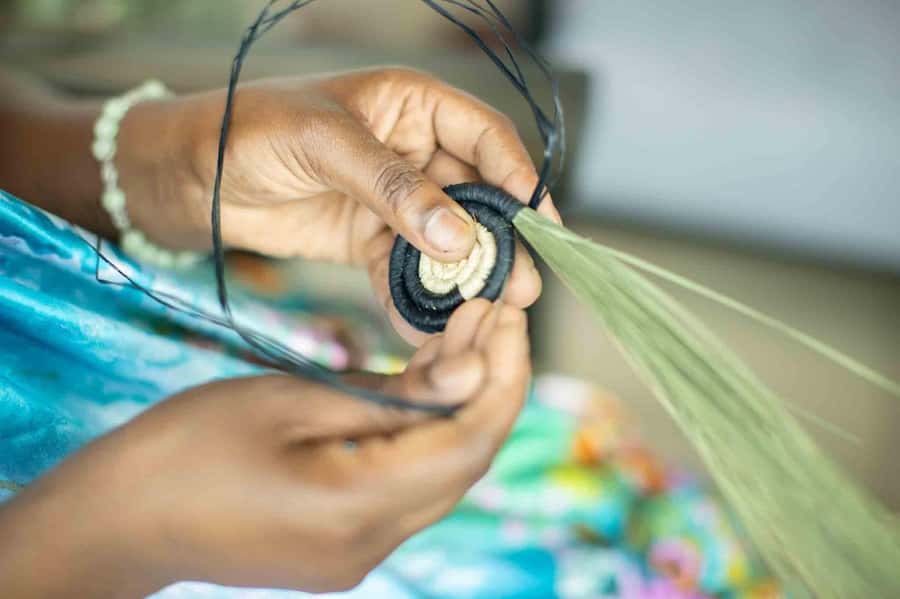
Review · RWANDAN CRAFT WORKSHOPS
Kigali: Traditional Basket Weaving in a Garden
Small crafts can open big doors. This two-hour Kigali workshop gives you a hands-on way to understand Rwanda through basket weaving, guided by local women who know the craft from years of practice. I especially like the personal teaching and the chance to take home a small basket, bowl, or coaster you made yourself. The main consideration is that transportation is not included, and your finished piece may be modest if you are new to weaving.
The setting adds to the appeal. You work in a pleasant garden or cozy café setting, with coffee or tea available in some sessions, while instructors explain the meaning behind patterns and techniques. I also like that the $30 price supports local artisans and women in the community. Do not expect a polished souvenir factory or a large museum-style presentation. This is a patient, practical class, and the craft takes time to learn.
In This Review
- Key points at a glance
- What happens during the two-hour Kigali workshop
- Learning from Sandrine and other local artisans
- The garden and café setting
- What you are likely to make
- Why the patterns and stories matter
- The pace, group size, and level of difficulty
- Is $30 a fair price?
- Who should book this Kigali craft experience?
- A few practical tips before you go
- Should you book the basket-weaving workshop?
- FAQ
- How long does the Kigali basket-weaving activity last?
- How much does the basket-weaving workshop cost?
- Are materials and tools included?
- What languages are available?
- Do I take home what I make?
- Is transportation included?
Key points at a glance
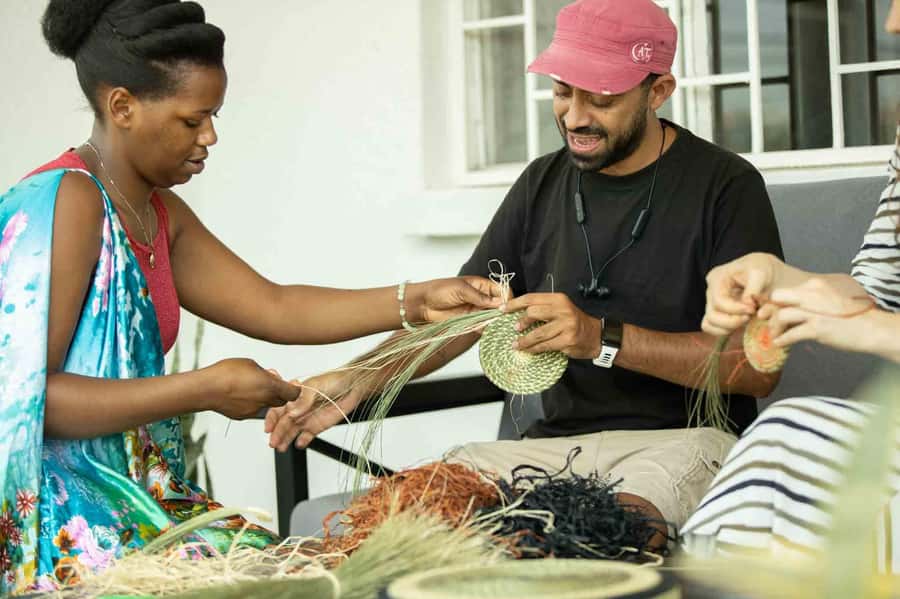
- Sandrine is praised for patient teaching: She helps beginners work through the basic steps without making the session feel rushed.
- Your souvenir is handmade by you: Depending on your pace, you may complete a small basket, bowl, or coaster.
- The garden setting keeps the class relaxed: Several sessions take place in a comfortable outdoor or café-style space, sometimes with coffee or tea.
- Stories give the craft meaning: Local artisans explain the role of basket weaving, patterns, materials, and family traditions in Rwanda.
- The $30 fee has a community benefit: The activity is designed to direct income toward local craftspeople and women who keep these skills alive.
- English and French are available: A translator may assist when needed, making the class workable for visitors who do not speak the instructor’s first language.
What happens during the two-hour Kigali workshop
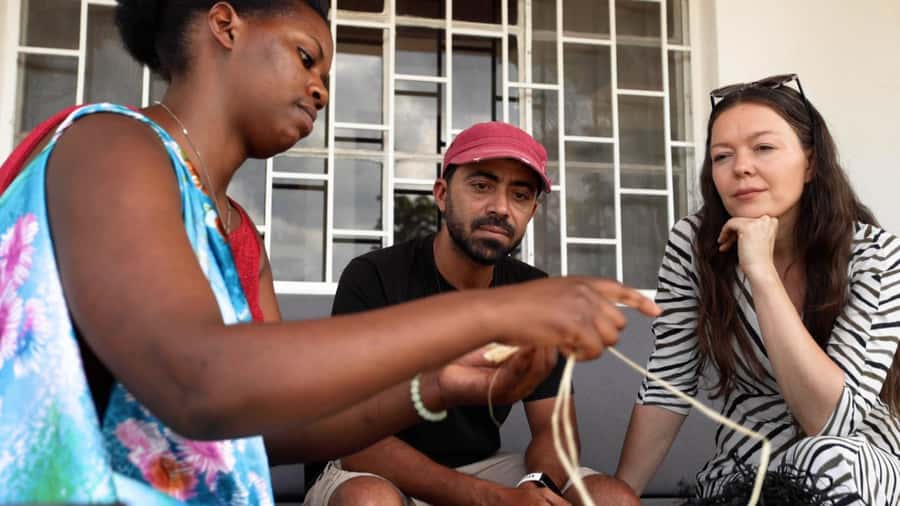
The session begins with a welcome from local Rwandan artisans. This opening is more than a quick greeting. You get context about how basket weaving fits into local life and why these objects carry more meaning than their practical use might suggest.
The instructors also share personal stories and explain how skills pass from one generation to the next. That matters because you are not simply copying a decorative pattern from a printed sheet. You are learning a small piece of a living craft tradition directly from the people who practice it.
You receive the materials and tools needed for the class. The exact materials are not specified in advance, but the experience includes everything required for the activity. The class then moves into the basic method, with the instructor showing you how to handle the strands, keep the shape steady, and build the pattern.
This is where the experience becomes pleasantly humbling. A skilled weaver can make the work look quick and effortless. Your first attempts may be less tidy. One participant found that basket weaving was not quite as easy as expected, but still enjoyed the effort and left with a small basket. That is a fair way to approach the class: you are paying for time, instruction, and connection, not for a perfect artisan object.
Other craft sessions with Kigali makers:
- Kigali: Traditional Kubumba Pottery Making with Local Women
★ 4.6 · 12 reviews - Kigali:Traditional Imigongo Painting with an Incredible View
★ 4.8 · 10 reviews - Imigongo Painting Class
★ 5.0 · 5 reviews
Learning from Sandrine and other local artisans
Sandrine receives especially strong praise for her teaching. She is described as kind, calm, skilled, and patient, which is exactly what a beginner needs when a strand refuses to sit where it should.
Good instruction makes a major difference here. Basket weaving uses repeated movements, but small mistakes can change the shape of the finished item. A patient guide can correct your hands early, before a minor error turns into a crooked rim or loose section.
You may also work with other women artisans, depending on the session. They demonstrate the speed and control that come with experience, giving you a useful comparison without turning the class into a performance. Watching an expert weave is part of the pleasure. The movements become smooth and rhythmic, while your own work remains slower and more deliberate.
English and French are listed as the available teaching languages. A translator has also helped during some sessions, especially when a participant needed more detailed explanations. If you want a long, technical conversation about every regional variation, language support may affect how much detail you receive. For the basic steps and cultural background, the arrangement appears practical.
The garden and café setting
The setting is one of the workshop’s quiet strengths. The activity takes place in the heart of Kigali, in a garden or a comfortable café-style space. One session included complimentary coffee, and another participant specifically enjoyed having tea while weaving in the garden.
That setting changes the mood. You are not sitting in a crowded production room or rushing through a souvenir purchase. You have time to focus on the material, speak with the artisans, and let the activity unfold at an easy pace.
The café connection can also make the workshop a pleasant break during a day in Kigali. One participant recommended treating yourself to a coffee there after finishing the craft. That drink is not clearly included in every booking, so you should regard it as a possible extra rather than part of the guaranteed package.
The garden is also useful for anyone who wants a slower cultural activity. Kigali sightseeing can involve moving between different parts of the city, while this class gives you two hours in one place. The tradeoff is that the setting, facilities, and refreshments may vary according to the specific location used for your booking.
What you are likely to make
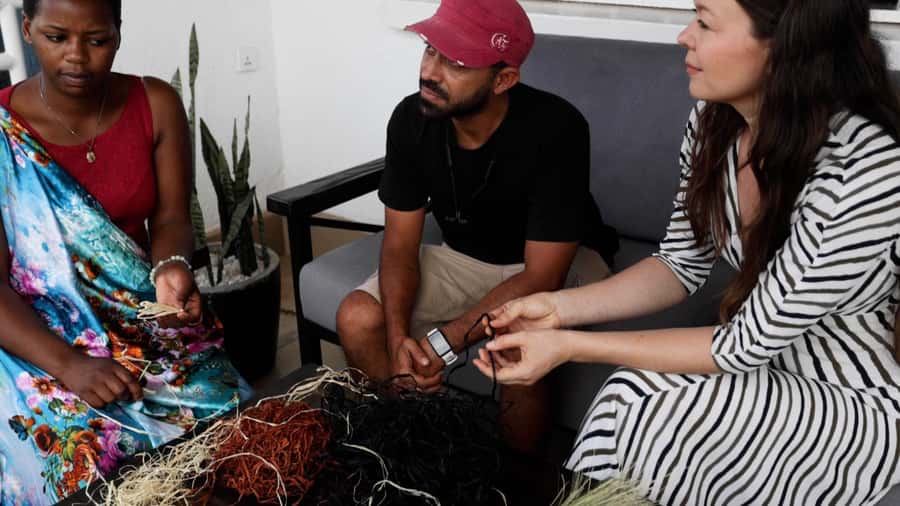
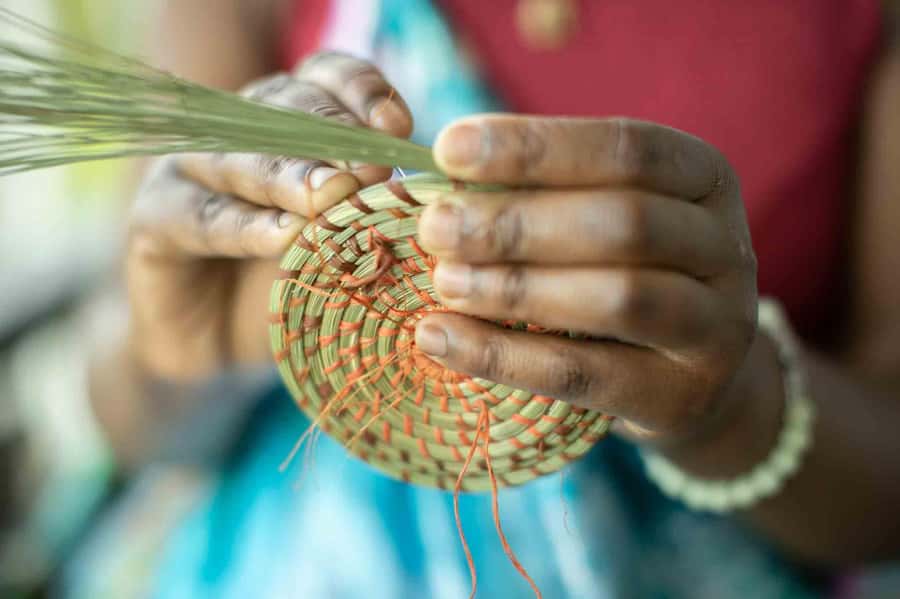
The activity promises a traditional basket, but your actual result depends on your pace and the format of the session. Participants have completed small baskets, coasters, and small bowls. These are realistic goals for a two-hour beginner class.
A coaster may sound less exciting than a full basket, but it can be the better souvenir for a first attempt. You finish with a usable object, and the smaller size gives you a better chance of completing the weaving within the scheduled time.
If you work quickly, you may produce a small basket. If you are careful and slow, you may create a coaster or bowl instead. Neither outcome should be treated as a failure. The value comes from understanding the process and seeing how much work goes into the larger baskets sold in markets and shops.
The finished piece is included as part of the hands-on experience. Check it before packing it, since handmade items can be flexible or delicate. A small basket is easy to carry home, but you should still protect it from being crushed in luggage.
A couple more Kigali trips worth comparing
- Kigali City Tour
★ 5.0 · 452 reviews - Kigali: Walking Tour with a Local Guide
★ 4.9 · 234 reviews - One-day Akagera National Park Game Drive with a Choice 4×4
★ 5.0 · 105 reviews - Private Full-day Kigali City Tour with Pickup and Lunch
★ 5.0 · 79 reviews
Why the patterns and stories matter
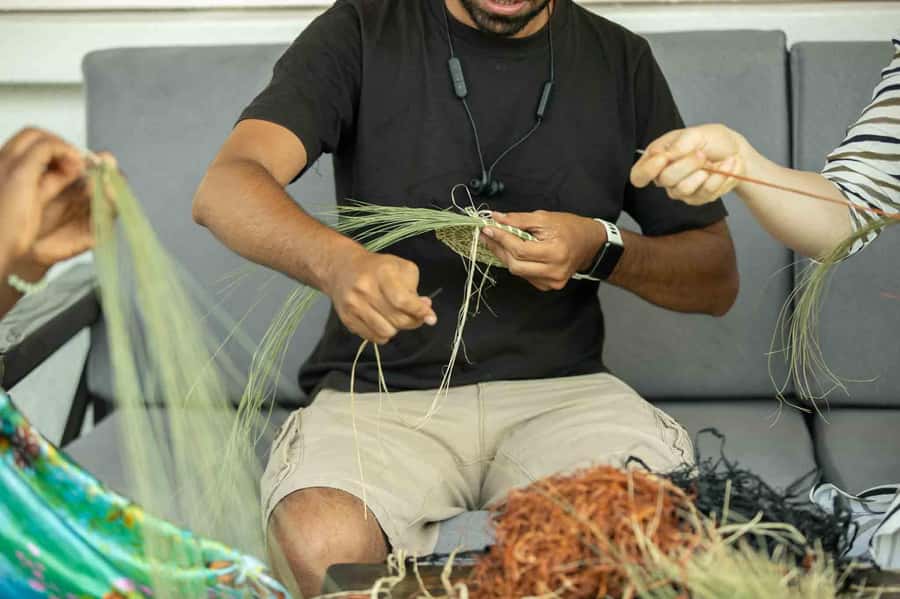
The workshop connects design with cultural meaning. Your instructor explains how patterns and colors relate to Rwandan craftsmanship and why basket making has remained important across generations.
The details matter because they help you look at finished baskets differently. Without context, you may see only a pretty object. After the class, you are more likely to notice the construction, the repeated shapes, and the labor behind a pattern.
The experience also gives you a direct conversation with local women who earn income from their skills. The activity is intended to support local communities economically, and one participant appreciated that the money goes directly to local craftspeople. That is a useful distinction from buying a mass-produced item with a vague regional label.
The cultural exchange is informal rather than academic. You will not receive a long lecture or a detailed museum presentation. The stories come as part of the making process, while your hands are occupied. For many people, that combination will make the information easier to remember.
One participant wished for more stories about weaving culture and some music during the class. That is a reasonable limitation to keep in mind. The amount of storytelling may depend on the instructor, the group, and how much time is needed to help everyone with the practical work.
The pace, group size, and level of difficulty
The workshop lasts two hours, which feels like a sensible length for a first introduction. It gives you enough time to learn the method and produce something small without turning the activity into an all-day commitment.
A small-group session has been described as friendly and easy to follow. Smaller groups are especially helpful for this craft because the instructor can check each person’s work and correct problems as they appear.
You should expect a little hand work and repeated movement. The available information does not give specific accessibility details, so anyone with concerns about sitting for a craft session or using their hands should confirm suitability before booking.
The class is suitable for complete beginners. You do not need to arrive with craft experience. In fact, the instructors’ patience is one of the most praised parts of the activity.
You should also allow yourself to be imperfect. The goal is not to match the instructor’s speed. The goal is to understand the basic technique, make a personal object, and enjoy the process.
Is $30 a fair price?
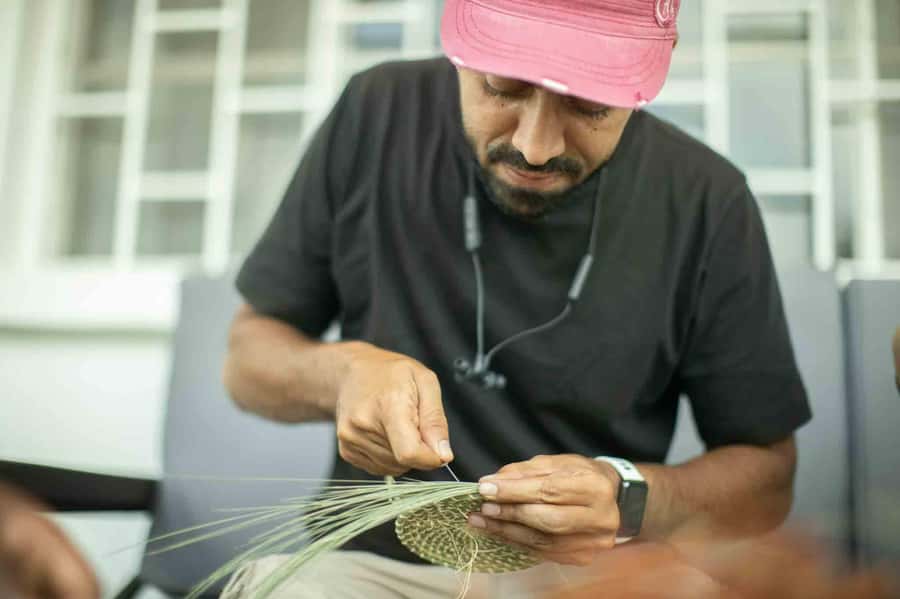
At $30 per person, this is not the cheapest way to buy a basket in Kigali. You could likely find lower-priced souvenirs in markets, but that comparison misses the point.
You are paying for two hours of instruction, all materials and tools, cultural explanation, direct contact with local artisans, and a handmade item to take home. The fee also helps support Rwandan women and local craftspeople. If responsible spending and personal contact matter to you, the price is reasonable.
The value is strongest if you enjoy making things. If you only want a finished basket, shopping may be faster and less expensive. If you want to understand how the object is made, meet the person teaching you, and take part in the work, the workshop offers more than a purchase.
Transportation is not included, so add the cost of reaching the Kigali location. Personal expenses are also separate. Coffee or tea may be available at the setting, but do not assume refreshments are part of the $30 price unless your booking says so.
The activity offers free cancellation up to 24 hours before the start time, and you can reserve now and pay later. Those policies make it easier to fit the workshop into a changing Kigali schedule.
Who should book this Kigali craft experience?
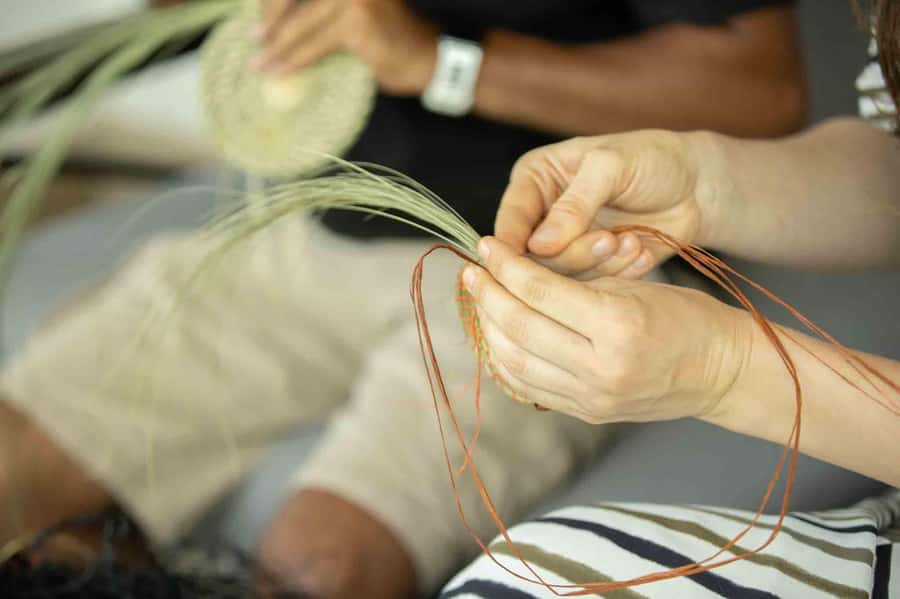
I would recommend it to you if you want a gentle cultural activity rather than another sightseeing stop. It suits solo visitors, couples, families with an interest in crafts, and small groups looking for something they can do together.
It is also a good choice during a work trip. One participant joined during a weekend in Kigali and found it easy to fit into the visit. The two-hour length leaves room for other plans before or after the class.
You will get the most from it if you ask questions. Ask about the materials, the patterns, how long larger baskets take, and how the craft is taught to younger generations. The more you engage, the more personal the session becomes.
Men should feel entirely welcome. One male participant noted that he was the only man in his session but still had a good time and made a coaster for home. This is a craft class, not a women-only social event.
The activity is listed as not suitable for people with food allergies. That warning is unusual for a weaving workshop, so if it affects you, ask the provider for clarification before booking.
A few practical tips before you go
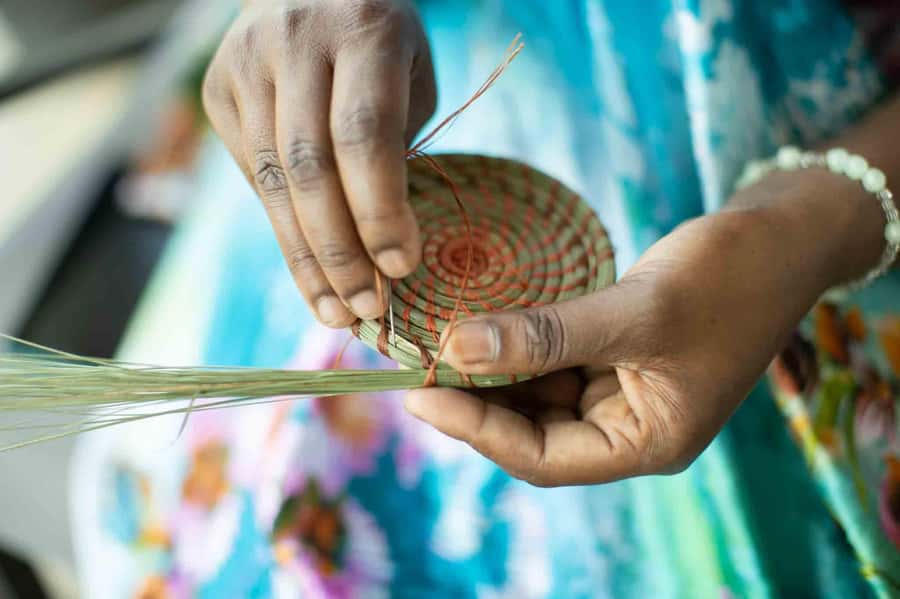
Wear something comfortable for sitting and working with your hands. The exact seating arrangement is not provided, but the session takes place in a garden or café setting.
Plan to arrive ready to concentrate. Two hours can pass quickly, especially when you are trying to keep the shape of your work even. If you want a larger basket, ask at the start what is realistic within the time available.
Do not compare your finished piece too closely with the instructor’s example. The artisan has years of practice. Your slightly uneven coaster may be a better reminder of Kigali than a flawless shop-bought basket.
If you are given a choice between a coaster, bowl, or small basket, choose based on your priority. Pick the coaster for the best chance of finishing. Pick the basket if you want a more recognizable souvenir and do not mind a rougher beginner result.
Should you book the basket-weaving workshop?
Book it if you value direct contact with local artisans, patient instruction, and a souvenir made by your own hands. Sandrine’s friendly teaching, the garden setting, and the community benefit make this a strong two-hour addition to a Kigali itinerary.
Skip it if your schedule is too tight for a relaxed class, if you only want to purchase a finished basket, or if sitting and handwork are not comfortable for you. For most visitors who want to slow down and connect with Rwanda through a useful craft, $30 is a fair price for the time, teaching, materials, and local support.
FAQ
How long does the Kigali basket-weaving activity last?
The workshop lasts two hours. Starting times vary, so you should check availability when choosing a date.
How much does the basket-weaving workshop cost?
The price is $30 per person.
Are materials and tools included?
Yes. The activity includes all materials and tools required for the basket-weaving session.
What languages are available?
Instruction is available in English and French. A translator may also assist during some sessions.
Do I take home what I make?
Yes. You can take home the item you create. Depending on your pace, this may be a small basket, bowl, or coaster.
Is transportation included?
No. Transportation to and from the activity location is not included. Personal expenses are also separate.
Recently added in Kigali
- Vegan Fine Dining Experience★ 5.0 · 5 reviews
- Walking Food Tour in Remera and Kigali★ 5.0 · 4 reviews
- 2 Days Mountain Gorilla Safari Rwanda★ 5.0 · 4 reviews
- Traditional Drumming and Dancing Class★ 5.0 · 2 reviews
- Gorilla Trekking Adventure – A Day trip (Only transfer)★ 5.0 · 2 reviews
- Rwanda One Day Gorilla Trekking with Iby’iwacu Culture Visit★ 5.0 · 2 reviews
- Private Transfer from Kigali Airport (KGL) to Kigali★ 4.0 · 5 reviews
- One Day Mount Bisoke Hike Adventure Tour in Volcanoes Park★ 4.5 · 4 reviews
Rwandan Craft Workshops, compared.
Traditional Kubumba Pottery Making with Local Women
Read our review →
Traditional Imigongo Painting with an Incredible View
Read our review →
Traditional Carpet Weaving (Ikirago) + amazing views
Read our review →Browse the lists this tour appears in