

Review · CITY TOURS
Kigali’s city tour with Aline
Kigali reveals itself one stop at a time. This three-hour tour with local guide Aline links major sights, markets, art, and community projects for a quick but thoughtful introduction to Rwanda’s capital. I like the mix of serious history and daily city life, and I like that Aline welcomes questions about life in Rwanda rather than simply moving you from one photo stop to the next.
The price is $25 per person, which is fair if you want a guide to give meaning to the places you see. The main drawback is the tight schedule. Six stops in about three hours leaves limited time at each place, and private transportation, snacks, coffee, tea, and the Kigali Genocide Memorial donation are not included.
In This Review
- Key Points To Know Before You Book
- Starting At The Kigali Genocide Memorial
- Seeing Rwandan Art At Niyo Art Gallery
- Comparing Two Kigali Markets
- Walking Through Kigali’s Car-Free Zone
- What Aline Adds To The Experience
- The Timing: Six Stops In Three Hours
- A Brief Visit To The Nyamirambo Women’s Center
- Is $25 A Good Value?
- Who Should Book This Kigali Tour?
- Should You Book It?
- FAQ
- How long does Kigali’s city tour with Aline last?
- Where does the tour begin?
- Where does the tour end?
- Is transportation included?
- Is admission to the Kigali Genocide Memorial included?
- What is the maximum group size?
Key Points To Know Before You Book

- The Kigali Genocide Memorial anchors the tour, with about one hour set aside for exhibits, remembrance, and reflection.
- Aline adds local context, answering questions and discussing everyday life in Rwanda.
- Two markets bring the city to life, with produce, fabrics, crafts, clothing, and local goods.
- Niyo Art Gallery adds a creative stop, featuring contemporary Rwandan and African work.
- The tour ends in the Car-Free Zone, near affordable restaurants where you can continue your afternoon.
- The six-stop plan moves quickly, so this suits you if you want an overview rather than a long visit at every location.
Starting At The Kigali Genocide Memorial
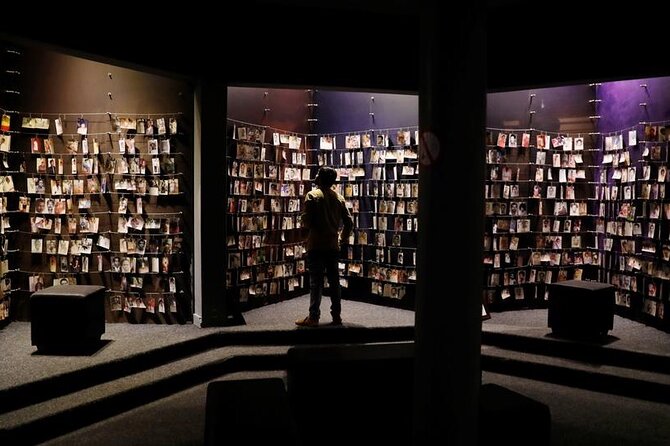
The tour begins at the Kigali Genocide Memorial on KG 14 Avenue. This is not a casual sightseeing stop. It is a place of remembrance and education dedicated to the victims of the 1994 Genocide against the Tutsi.
About one hour is planned here. The center includes exhibits on the genocide, personal testimonies, and Rwanda’s efforts toward healing and reconciliation. The grounds also contain mass graves where more than 250,000 victims are buried.
I appreciate that this difficult subject comes first. It gives the rest of the day a clearer setting. When you later see markets, galleries, and community projects, you understand that Kigali is not only a clean and organized capital. It is also a city shaped by loss, recovery, and an ongoing effort to build a peaceful future.
Your guide is included, but admission is not. The information supplied for the tour also notes a Kigali Genocide Memorial donation, so plan to pay that separately. The tour does not list a fixed donation amount.
Allow yourself the right frame of mind here. You will have time to see the exhibits, but not an entire morning for extended reading or quiet reflection. If this memorial is your main reason for visiting Kigali, you may want to return separately with more time.
A couple more Kigali trips worth comparing
- Kigali City Tour
★ 5.0 · 452 reviews - Kigali: Walking Tour with a Local Guide
★ 4.9 · 234 reviews - One-day Akagera National Park Game Drive with a Choice 4×4
★ 5.0 · 105 reviews
Seeing Rwandan Art At Niyo Art Gallery
The next stop is Niyo Art Gallery, with about 20 minutes planned for the visit. Admission is free.
The gallery presents contemporary Rwandan and African art, including paintings, sculptures, and mixed-media pieces. Many works connect to cultural identity and social concerns, giving you a visual way to continue thinking about Rwanda beyond the memorial.
Niyo Art Gallery also supports community work, including programs for underprivileged children. That matters because the stop is not simply about buying or viewing art. It links creative work with practical support in the wider community.
Twenty minutes is enough for a quick look and a conversation with Aline about what catches your eye. It is not enough for a slow gallery visit if you want to study every piece. I would treat this as an introduction, especially if you enjoy art and want to note the gallery for a return visit.
Aline’s role is useful here. Art can be hard to read without context, and a local guide can help you connect a painting or sculpture with broader Rwandan themes. The tour description does not promise a private gallery talk, so expect an informal visit rather than a specialist art lesson.
Comparing Two Kigali Markets
The tour includes both Kigali City Market and Kimironko Market. Each receives about 20 minutes, and both are free to enter.
Kigali City Market offers a broad look at local commerce. You might find fresh produce, traditional crafts, textiles, spices, and other local products. It is a good place to see how shopping works for residents, not just how souvenirs are presented for visitors.
Kimironko Market is one of Kigali’s largest markets. Its stalls include fresh food, clothing, fabrics, handmade crafts, and Rwandan and East African goods. If you want traditional fabric, small gifts, or a quick look at local food shopping, this is likely to be one of the most useful stops.
The short timing changes how you should approach both markets. You will not have much room for a slow, careful shopping session at each one. Instead, use the time to observe, ask Aline questions, and identify what you may want to see again later.
I like the decision to include two markets because they show a more ordinary side of Kigali. Museums explain a country, but markets let you watch buying, selling, bargaining, and social life in real time. Still, the tour does not include snacks, coffee, or tea, so you should not expect food tastings as part of the market visits.
If you plan to buy something, keep your pace realistic. Twenty minutes can disappear quickly, especially if you are comparing fabrics or crafts. You may prefer to browse first and return to a market after the tour if you find a purchase that deserves more attention.
Walking Through Kigali’s Car-Free Zone
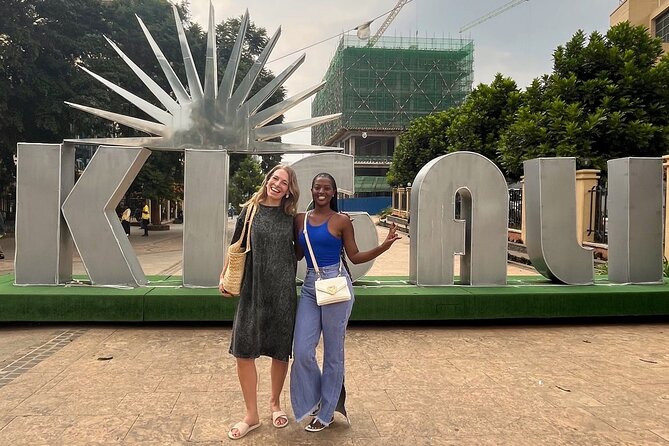
The tour ends at Kigali’s Car-Free Zone, a pedestrian-friendly area in the city center. The zone includes open spaces, cafes, shops, and places to sit or spend time outdoors. It encourages walking and cycling while reducing traffic and pollution.
Only about 15 minutes is planned here, but the ending is practical. The meeting point is listed at 3346+9QC, and the area has local restaurants where you can stop for a drink or a bite at your own cost.
This final stop gives the tour a lighter finish after the memorial and markets. It also shows a civic side of Kigali: public space designed for walking, social activity, and cleaner streets. I would not expect a long guided walk through every corner of the zone. Think of it as a brief orientation and a convenient place to continue on your own.
The listed opening hours for the tour meeting and ending information are Monday through Saturday, 8:00 a.m. to 6:00 p.m. If you want to eat afterward, the Car-Free Zone makes that easy, but food is not included in the $25 price.
Other guided city days in Kigali:
- Private Full-day Kigali City Tour with Pickup and Lunch
★ 5.0 · 79 reviews - Kigali E-Bike City Tour with Breakfast
★ 4.9 · 73 reviews - Kigali City Tour
★ 5.0 · 59 reviews - Kigali City Tour with a Local Guide and Driver
★ 5.0 · 49 reviews
What Aline Adds To The Experience
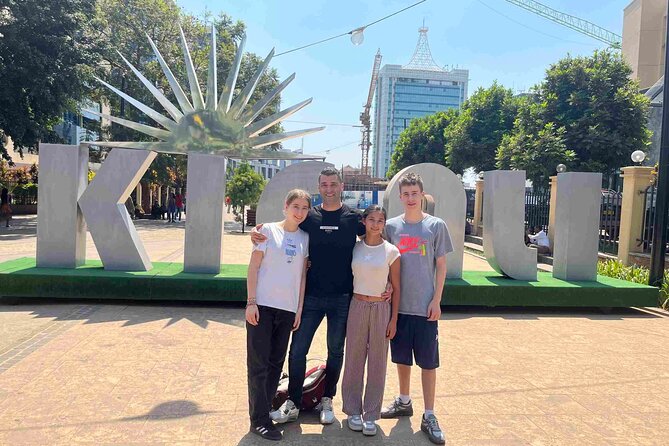
Aline is the main reason to choose this tour instead of simply visiting the same places by yourself. The route is useful, but the real value comes from having someone who can connect the stops and answer questions.
The strongest praise focuses on Aline’s local perspective. She is happy to discuss life in Rwanda and respond to questions as the day unfolds. That makes a difference in Kigali, where a short explanation can help you understand why a market, memorial, gallery, or public space matters.
I would not expect a formal lecture at every stop. The experience is better suited to conversation. You can ask about the city, daily life, the places you are seeing, and the changes Rwanda has experienced. If you prefer a guide who lets you ask questions instead of delivering a long scripted speech, this format should suit you.
The group is limited to a maximum of 10 people. That is small enough to make questions practical, though the actual group size may vary. A smaller group also helps at the memorial and markets, where a large crowd would make the short schedule harder to manage.
The Timing: Six Stops In Three Hours

The stated duration is approximately three hours. The stops add up to about two hours and 25 minutes:
- Kigali Genocide Memorial: 60 minutes
- Niyo Art Gallery: 20 minutes
- Kigali City Market: 20 minutes
- Kimironko Market: 20 minutes
- Car-Free Zone: 15 minutes
- Nyamirambo Women’s Center: 10 minutes
That leaves roughly 35 minutes for movement between locations. Private transportation is not included, and the tour lists only the guide among its inclusions. Because of that, you should confirm how the group will move between stops before booking.
This is the most important practical question. If you need to arrange your own taxis or other transport, the final cost will be higher than $25. If transport is handled informally during the tour, you still need to know what to budget and how much time will be spent getting from place to place.
The schedule is possible as a city introduction, but it is not leisurely. The 10-minute visit to the Nyamirambo Women’s Center is especially brief. You will get only a quick look at the organization’s work, rather than a full program or extended workshop.
I see the schedule as a strength and a limitation. It is strong for a first day because you cover several parts of Kigali without committing a full day. It is limited if you want detailed shopping, long gallery time, or a careful visit to the memorial.
A Brief Visit To The Nyamirambo Women’s Center

The Nyamirambo Women’s Center is near the Nyamirambo district. Founded in 2007, it provides women with education and skills training, including literacy, sewing, and entrepreneurship.
The center also runs the Umutima initiative, which produces handmade crafts, clothing, and accessories. Its work supports women’s economic independence and promotes gender equality.
Only 10 minutes are allotted here, making it the shortest stop on the route. You should expect an introduction to the organization rather than a full cultural tour, class, or extended shopping visit. The tour information does not promise a workshop or a specific purchase opportunity.
Even so, I like its place in the schedule. The center gives you a direct example of local community work, and it broadens the tour beyond monuments and commercial areas. If this stop interests you most, ask Aline whether you can return later or spend more time there on another visit.
Is $25 A Good Value?
At $25 per person, the tour is reasonably priced for a three-hour guided introduction, especially if you are new to Kigali. You receive Aline’s time, local explanation, and a route that includes the memorial, art, two markets, a community center, and the Car-Free Zone.
The price is less of a bargain if you assume transportation, food, or all admissions are included. They are not. Private transportation, snacks, coffee, tea, and the memorial donation are extra.
I would compare the price with your priorities. If you want a simple way to get oriented and ask questions, $25 is attractive. If you already know Kigali well, or if you prefer to spend an hour or more at each market and cultural stop, the tight schedule may feel less useful.
The maximum group size of 10 helps protect the value. You are not paying for a large coach excursion with a distant guide. Still, the exact amount of personal attention depends on group size and the pace of the day.
Who Should Book This Kigali Tour?
I would recommend this experience to first-time visitors, expats who want a wider look at the city, and anyone with only a short window in Kigali. It is also a good fit if you want a local guide who can talk about Rwanda in an open, conversational way.
The tour works well for people who enjoy variety. In three hours, you move from a place of remembrance to contemporary art, markets, community work, and a pedestrian center. You will not master any one subject, but you will get a useful first picture of the capital.
You may want another option if you dislike quick stops or need private transport included. The memorial alone can deserve more time, and the two markets can easily absorb an afternoon if you enjoy shopping and photography.
Wear comfortable shoes and keep your plans flexible. Since the tour is near public transportation and ends in the Car-Free Zone, you can continue exploring afterward, but confirm the transport plan before the start.
Should You Book It?
Book this tour if you want a compact first look at Kigali with a local voice, not a slow, specialist visit to one attraction. Aline’s willingness to answer questions and discuss life in Rwanda is the most appealing part, while the range of stops gives you a useful sense of the city’s past, creativity, commerce, and community work.
The main caution is simple: three hours is short, and transportation and the memorial donation cost extra. If you accept that tradeoff, $25 is a sensible price for an introductory tour, especially when your time in Kigali is limited.
Cancellation is free if you cancel at least 24 hours before the start time. Changes or cancellations inside that window are not refundable.
FAQ
How long does Kigali’s city tour with Aline last?
The tour lasts approximately three hours.
Where does the tour begin?
The tour begins at the Kigali Genocide Memorial, KG 14 Avenue, Kigali, Rwanda.
Where does the tour end?
The tour ends at Kigali’s Car-Free Zone, listed at 3346+9QC, Kigali, Rwanda.
Is transportation included?
No. The tour includes a guide, but private transportation is not included.
Is admission to the Kigali Genocide Memorial included?
No. The memorial admission or donation is not included in the tour price.
What is the maximum group size?
The tour can include a maximum of 10 people.
Recently added in Kigali
- Vegan Fine Dining Experience★ 5.0 · 5 reviews
- Walking Food Tour in Remera and Kigali★ 5.0 · 4 reviews
- 2 Days Mountain Gorilla Safari Rwanda★ 5.0 · 4 reviews
- Traditional Drumming and Dancing Class★ 5.0 · 2 reviews
- Gorilla Trekking Adventure – A Day trip (Only transfer)★ 5.0 · 2 reviews
- Rwanda One Day Gorilla Trekking with Iby’iwacu Culture Visit★ 5.0 · 2 reviews
- Private Transfer from Kigali Airport (KGL) to Kigali★ 4.0 · 5 reviews
- One Day Mount Bisoke Hike Adventure Tour in Volcanoes Park★ 4.5 · 4 reviews
City Tours, compared.


Private Full-day Kigali City Tour with Pickup and Lunch
Read our review →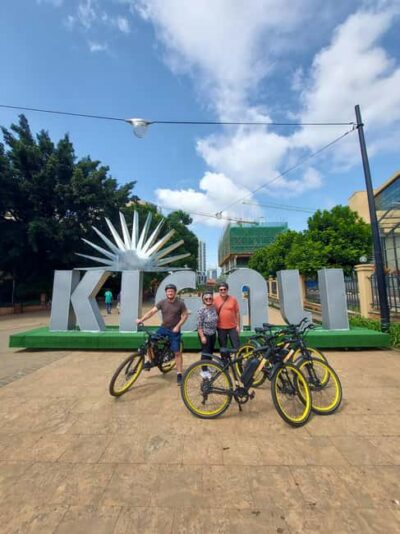



Kigali City Tour: History, Art and Local Highlights.
Read our review →
Browse the lists this tour appears in