
Review · RWANDA
Kigali: Ntarama and Nyamata Genocide Memorial Tour
Some places ask for quiet, not quick photos. This four-hour trip from Kigali takes you to Ntarama and Nyamata, two former churches tied to the 1994 Rwandan Genocide. I like the private format and the chance to travel with an English-speaking driver-guide, rather than follow a large group. I also like that hotel pickup and drop-off are included, which keeps the morning simple.
The main consideration is emotional weight. Ntarama and Nyamata contain human remains, clothing, and objects left behind by victims. This is not a casual sightseeing outing, and the short four-hour schedule may feel tight if you need extra time to process what you see.
In This Review
- Key points to know before booking
- Why these two churches matter
- Leaving Kigali for the Bugesera region
- Ntarama Church and the evidence left behind
- Nyamata Church and the locked iron door
- What the guide adds to the morning
- Is four hours enough?
- What the $220 price means
- Who should book this memorial visit?
- Practical advice for a respectful visit
- Should you book the Ntarama and Nyamata tour?
- FAQ
- How long does the Ntarama and Nyamata tour last?
- Where does the tour begin and end?
- Which languages are available?
- What is included in the tour price?
- Are lunch and drinks included?
- Can I cancel the tour or pay later?
Key points to know before booking
- Ntarama Church preserves a painful crime scene: About 5,000 people were killed there on August 15, 1994.
- Nyamata brings the scale into sharper focus: About 10,000 people were killed in and around the church compound on April 10, 1994.
- A private guide makes a real difference: You can ask questions, set the pace within the schedule, and receive explanation in English.
- The tour runs from Kigali to Bugesera: Hotel pickup and return are included, with the memorial sites about 35 kilometers from Kigali.
- The evidence is direct and difficult: Human remains, clothing, church buildings, and the locked iron door make this a confronting visit.
- Augustin has been especially helpful: If he is assigned as your guide, his patient, accommodating manner has earned strong praise, including help with a personal shopping errand after the tour.
Why these two churches matter
The Rwandan Genocide took place in 1994, when Tutsi people and moderate Hutus were targeted in a campaign of mass violence. The memorials at Ntarama and Nyamata focus on what happened in specific buildings, to specific communities. That makes the history easier to grasp than a broad lecture alone.
You are not simply hearing dates and political terms. You are entering churches where people sought shelter and were killed. The buildings, objects, and remains give the story a physical presence. That can be painful, but it also helps you understand that this was recent history, not some distant event safely removed from modern life.
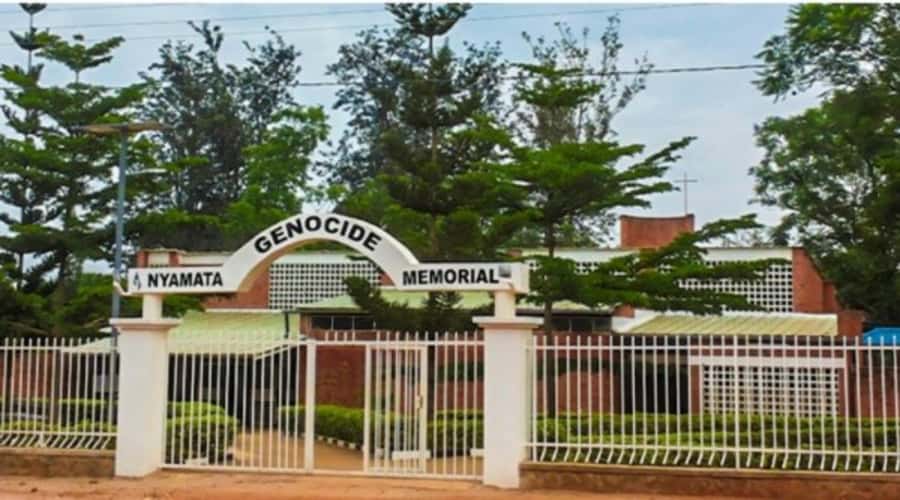
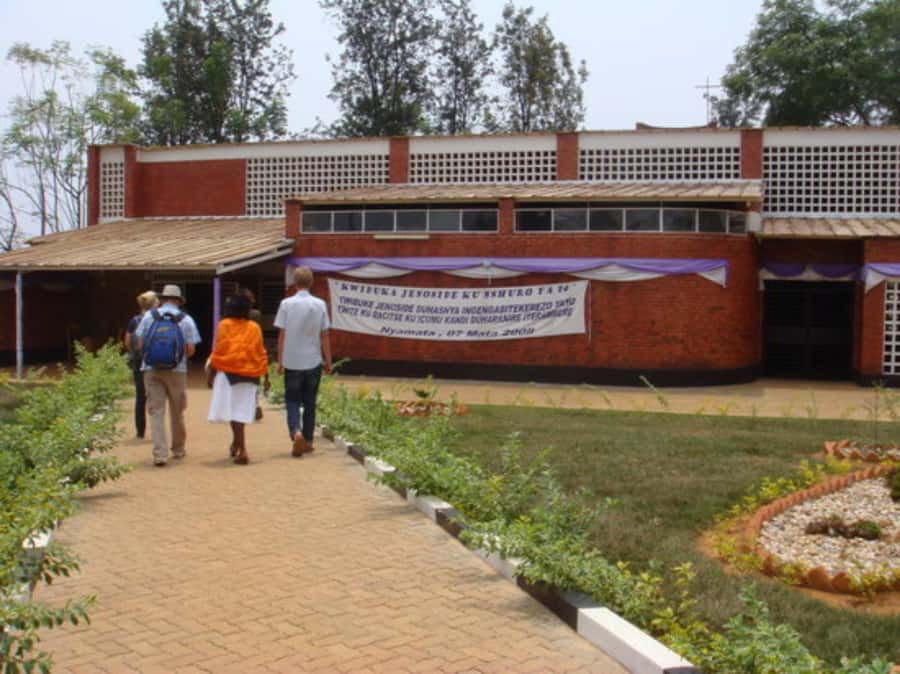
I find the pairing useful. Ntarama lets you see the remains of a former Catholic church and the objects left behind by victims. Nyamata adds another site where the violence occurred on an even larger scale. Together, the visits show how places of worship became places of refuge, fear, and death.
The tone should be respectful from the moment you leave Kigali. Dress and behave as you would at a place of mourning. The tour is educational, but it is also a memorial visit.
Other memorial sites open to visitors:
- Private Memorial Day Tour Ntarama and Nyamata
★ 5.0 · 3 reviews - Ntarama and Nyamata Genocide Memorial Day Tour
★ 4.5 · 3 reviews - Kigali City Tour, Genocide Memorial Visit, Walking Tour in Kigali
★ 4.5 · 2 reviews
Leaving Kigali for the Bugesera region
Your day begins with pickup at your Kigali hotel, normally in the morning. The drive takes you toward the Bugesera region in Rwanda’s Eastern Province. Nyamata is approximately 35 kilometers from Kigali, though the total timing depends on the route, traffic, and the time spent at each site.
Hotel pickup is one of the most useful parts of the arrangement. You do not need to find a taxi before breakfast or work out how to reach two memorial sites on your own. After booking, you should contact the provider to arrange transportation, as requested in the tour instructions.
The vehicle also gives you a transition period before the memorial visits. Use it to ask your guide what to expect and to clarify how much time is available at each location. Since this is a private group, you can raise questions that may not fit a fixed group lecture.
The tour includes a Kigali city tour, though the supplied schedule focuses on the memorial visit and the return to Kigali. Ask the provider how much city sightseeing is planned for your particular morning. The listed duration is four hours, so the city portion may be brief.
Ntarama Church and the evidence left behind
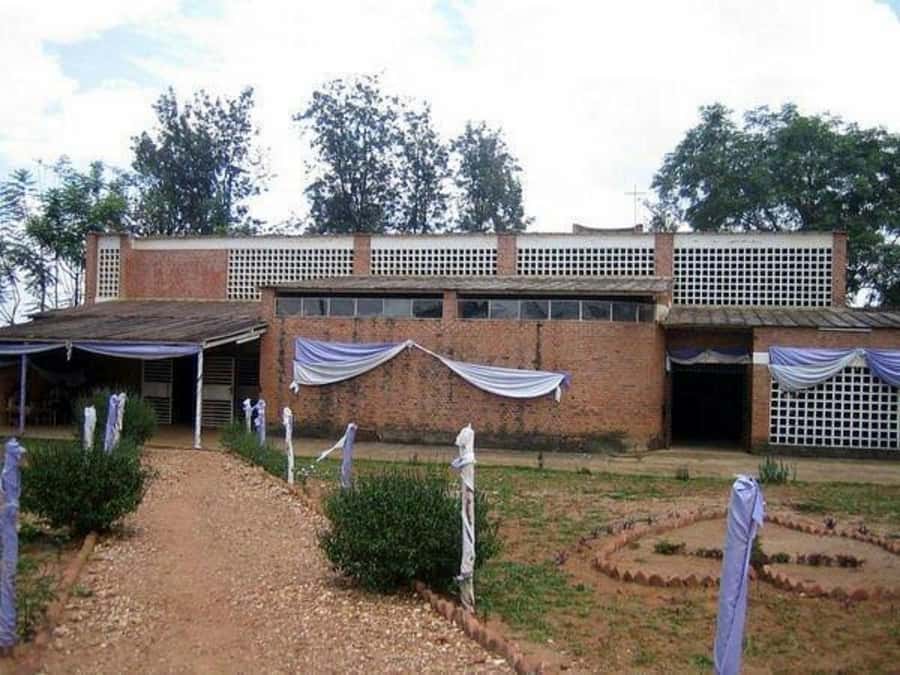
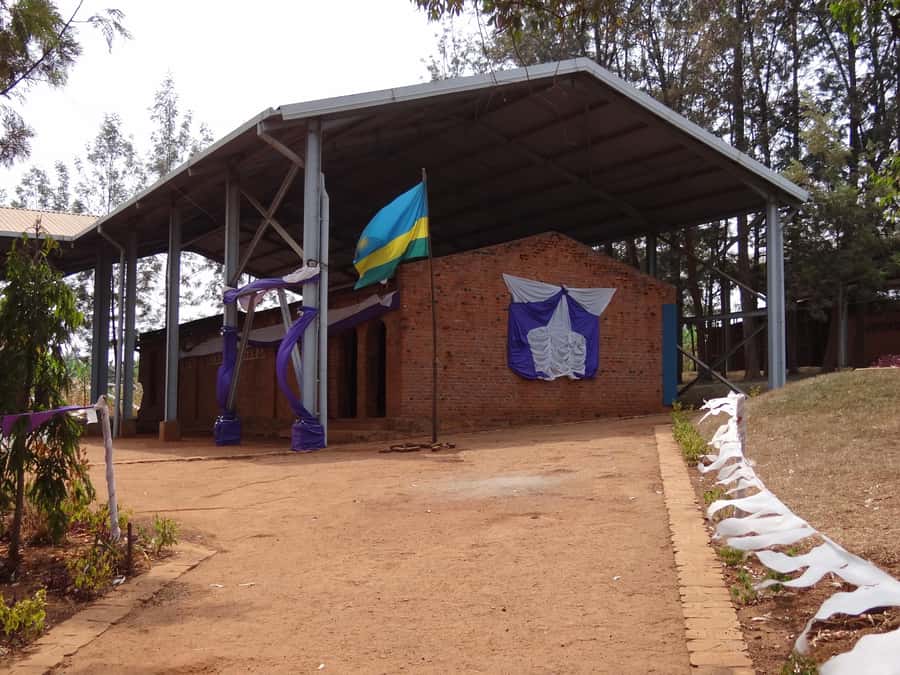
Ntarama is a former Catholic church where approximately 5,000 people were massacred on August 15, 1994. The site is preserved as a genocide memorial, and your guide explains what happened there.
This is the first visit, and it can set the tone for the rest of the morning. You will see the remains of the church along with human remains, clothing, and other artifacts left behind by those who were killed. These items are not decorative museum pieces. They are direct reminders of people who were caught in the violence.
That directness is what makes Ntarama so difficult and so important. A written account can tell you that thousands died. Seeing the church and the belongings left behind makes the number more personal. I would not rush through this stop just to keep the schedule tidy, although the four-hour limit means your guide must manage time carefully.
A preservation project is underway at Ntarama. That detail matters because the site may not feel completely finished or uniform. Conservation work can change how parts of the memorial look, and visitors should expect a place being maintained rather than a polished modern exhibition.
The guide’s role here is central. English is the listed tour language, and a local guide can explain the setting and events while giving the visit a clear structure. You should feel free to ask for context, but also recognize that some questions may not have simple answers.
Nyamata Church and the locked iron door
The second memorial is at Nyamata, also in the Bugesera region. About 10,000 victims were killed in and around the Nyamata Church compound on April 10, 1994. The number alone is hard to absorb, but the site connects it to a particular building and a particular day.
One of the most striking details is the iron door. It was locked with a padlock in an effort to protect people inside from marauding killers. The door makes the scene painfully clear: people sought safety in a church, and the barrier meant to keep danger out could not protect them.
At Nyamata, you will learn more about the violence directed at Tutsi people and moderate Hutus. You will also see the memorial at the church and hear how the events unfolded. The visit gives you time to understand the scale of the killing without losing sight of the individual lives behind the statistics.
I would plan to be quiet here. The site offers a deeply sad look at the reality of the genocide, and the remains and artifacts can be disturbing. This is not the place for a hurried conversation, loud commentary, or casual posing for photographs.
Because the tour is private, you can ask your guide to explain the details that matter most to you. If the material becomes too much, a private group also makes it easier to pause or speak with the guide discreetly. The schedule is still fixed, but the setting is less exposed than a large tour.
Further into the hills, and a longer day:
- Kigali City Tour
★ 5.0 · 452 reviews - Kigali: Walking Tour with a Local Guide
★ 4.9 · 234 reviews - One-day Akagera National Park Game Drive with a Choice 4×4
★ 5.0 · 105 reviews - Private Full-day Kigali City Tour with Pickup and Lunch
★ 5.0 · 79 reviews
What the guide adds to the morning
The driver-guide is listed as English-speaking, and the tour is designed as a private experience. That combination is valuable here. You need more than transportation. You need someone who can place the memorials within Rwanda’s history and explain what you are seeing with care.
The strongest personal praise is attached to Augustin, who is described as extremely accommodating. His help went beyond guiding: he spent about an hour searching through several shops with a visitor who needed shaving cream. That is a small story, but it tells you something useful about his manner. If Augustin is assigned to your tour, you can expect a guide willing to help with practical problems, not just deliver a script.
A guide’s personality matters at memorials. You want clear information without theatrical delivery. You want room for silence. You want someone who can answer questions without turning tragedy into entertainment.
The overall feedback is very positive, with a five-star rating from the two supplied verified bookings. Sven from Germany described the sites as making the 1994 genocide feel real and found the visit informative. Robert from Canada called the memorials visceral and praised Augustin’s patience and kindness.
Two reviews are not enough to prove every departure will be identical. Still, they point to the tour’s main strengths: serious historical explanation and considerate personal service.
Is four hours enough?
Four hours is efficient, but it is not generous. The tour includes pickup from Kigali, the drive to Bugesera, both memorial sites, and the return to the city. The stated itinerary also mentions a Kigali city tour, so you should confirm how that fits into the morning.
If you want a focused introduction to Ntarama and Nyamata, four hours can work well. You will see both churches without committing an entire day. That is useful if your Kigali schedule is full or if you want to visit other places later.
If you prefer long, unhurried museum visits, the schedule may feel compressed. The sites are emotionally demanding, and you may want time to sit quietly or discuss what you have seen. Ask about the starting time and the expected duration at each memorial before the day begins.
The tour starts in the morning and returns to Kigali in the afternoon. Lunch is not included, and neither are drinks or personal expenses. Plan accordingly, especially if you prefer to eat at a set time. The listed price is $220 per person, so food and drinks are extra.
What the $220 price means
At $220 per person, this is not a budget excursion. The value depends on what you want from the morning. You are paying for private transportation from Kigali, hotel pickup and return, an English-speaking driver-guide, and visits to two important memorial sites.
For one person, the price may feel high for a four-hour activity. For a private group, the cost can make more sense, particularly if the convenience of door-to-door transport matters. You also avoid organizing separate taxis, negotiating routes, or trying to connect two sites on your own.
The guide is the key part of the value. Without clear explanation, you would see buildings and artifacts but miss much of the historical meaning. A considerate guide also helps you handle the practical side of a difficult morning.
The tour does not include lunch, drinks, or personal purchases. It does include the provider’s commission and hotel transfers, but you should read the final booking details carefully to confirm any entrance arrangements or added costs not specified here.
Free cancellation is available up to 24 hours before the tour for a full refund, and you can reserve now and pay later. Those terms help if your Kigali plans are still shifting. Availability and starting times need to be checked before booking.
Who should book this memorial visit?
I would recommend this experience to anyone who wants a direct introduction to the Rwandan Genocide and prefers a private, guided setting. It suits you especially well if you are staying in Kigali, value hotel pickup, and want to visit both Ntarama and Nyamata in one morning.
It also works for visitors who need an English-speaking guide. The private format allows you to ask questions and avoid the pace of a large group. If you are interested in Rwanda’s recent past, these sites offer a serious connection between historical facts and real places.
I would think twice if you are looking for a light cultural outing or a general sightseeing tour. The memorials contain human remains and other evidence of mass killing. You should be ready for sadness, silence, and difficult images.
Families and groups should decide together if everyone is prepared for that material. The supplied information confirms wheelchair accessibility, but you should still contact the provider after booking to discuss transportation and the exact access arrangements at both sites.
Practical advice for a respectful visit
Start by contacting the provider after your booking to arrange transportation. Confirm the hotel pickup time, the balance between the Kigali city tour and the memorial sites, and how the four hours will be divided.
Wear comfortable clothing for the drive and the visits, but remember that these are memorial sites. Keep your behavior subdued, listen carefully, and follow any local instructions about photography or where you may walk.
Do not plan lunch at either memorial. Lunch and drinks are not included, and the tour returns to Kigali in the afternoon. Bring only what you need and keep personal shopping separate from the memorial portion of the day.
Most important, give yourself some quiet time afterward if possible. The combination of Ntarama’s remains and clothing, Nyamata’s large death toll, and the locked iron door can stay with you long after the vehicle returns to Kigali.
Should you book the Ntarama and Nyamata tour?
Book it if you want a focused, respectful visit to two major genocide memorials without arranging transport yourself. The private group, English-speaking guide, hotel transfers, and strong praise for Augustin make the package practical, especially for a small group that values personal help.
The $220 price is substantial, and four hours leaves limited room for lingering. Still, the tour offers a meaningful way to understand Rwanda’s recent past through the actual churches where people sought protection and were killed.
Go with the right expectations. This is not an easy morning, but it is an important one. If you are prepared to listen, remember, and pay your respects, Ntarama and Nyamata can become some of the most affecting places you visit from Kigali.
FAQ
How long does the Ntarama and Nyamata tour last?
The tour is valid for four hours. It starts in the morning and returns to Kigali in the afternoon.
Where does the tour begin and end?
Pickup and drop-off are provided at your hotel in Kigali. The tour travels to the Bugesera region and returns to Kigali.
Which languages are available?
The tour includes a live English-speaking guide. English is the listed tour language.
What is included in the tour price?
The price includes a Kigali city tour, an English-speaking driver-guide, hotel pickup and drop-off, and the provider’s commission.
Are lunch and drinks included?
No. Lunch, drinks, and personal expenses are not included.
Can I cancel the tour or pay later?
You can cancel up to 24 hours in advance for a full refund. Reserve now and pay later is also available, subject to the booking terms.
Recently added in Rwanda
- Vegan Fine Dining Experience★ 5.0 · 5 reviews
- Hiking Binana Mountain & Waterfalls in Rwanda★ 5.0 · 2 reviews
- Walking Food Tour in Remera and Kigali★ 5.0 · 4 reviews
- Boat cruise in Twin lakes and Lake Kivu★ 5.0 · 3 reviews
- 2 Days Mountain Gorilla Safari Rwanda★ 5.0 · 4 reviews
- Traditional Drumming and Dancing Class★ 5.0 · 2 reviews
- Gorilla Trekking Adventure – A Day trip (Only transfer)★ 5.0 · 2 reviews
- Rwanda One Day Gorilla Trekking with Iby’iwacu Culture Visit★ 5.0 · 2 reviews