
Review · NYAMIRAMBO & NEIGHBOURHOOD WALKS
Kigali: Gatsata Village Storytelling Walk to Mount Jali
Stories climb this Kigali hillside. This three-hour walk from the Nyabugogo River to Mount Jali gives you two things I especially like: local history told on foot and a real look at village life beyond central Kigali. You also get broad views over the city from the mountain, a fine reward for the uphill effort.
The main caution is the storytelling itself. Guides such as John, Shaffi, Shadia, and Latiff have been praised for their warmth, patience, and knowledge of plants, people, and local history, but the depth of the village stories can vary. If you want detailed customs and a long historical talk, ask questions as you walk.
In This Review
- What makes this walk worth your morning
- Starting at Kigali Heights and reaching Gatsata
- The Nyabugogo River and Gatsata’s beginnings
- Walking through village paths and local life
- The uphill route to Mount Jali
- Mount Jali views over Kigali
- The guides can shape the whole experience
- Is $39 a fair price?
- Who should book this Kigali walk?
- Practical tips for a better walk
- Should you book it?
- FAQ
- Where does the tour meet?
- How long does the walk take?
- What language is the tour conducted in?
- Is the walk physically demanding?
- Can children join the tour?
- What should I bring?
What makes this walk worth your morning
- It begins at the Nyabugogo River, a waterway tied to Gatsata’s growth and identity.
- The route connects city and countryside, moving from a river area through village paths toward Mount Jali.
- The human stories matter, including the painful history of homes and lives lost during the genocide.
- Guides are a major part of the value, with John, Shaffi, Shadia, and Latiff receiving warm praise for their personal approach.
- Mount Jali supplies the payoff, with panoramic views of Kigali after a moderate uphill walk.
- The $39 price includes the guide and walk, but not transport, food, or drinks.
Starting at Kigali Heights and reaching Gatsata
Your meeting point is Kigali Heights, where you meet the guide before moving to the activity site. Transportation to and from the walking area is not included, so you need to budget for that separately and allow enough time to reach the start.
That arrangement matters because the advertised three hours refers to the guided walk, not necessarily your full door-to-door outing. Ask for clear instructions about the transfer before setting out, especially if you are staying outside central Kigali.
The walk is offered in the morning and afternoon. I would choose the cooler part of the day if possible, since the route includes an uphill section and there is no promise of shade or refreshments along the way. Bring water from the start. A hat and sunscreen are not optional luxuries in Rwanda’s strong sun.
The tour is conducted in English. That makes it useful for English-speaking visitors who want more than a standard city sightseeing circuit, though the quality of the experience depends partly on how much you engage the guide. Come with questions. Ask how Gatsata developed, what the river meant to residents, and how the area has changed.
Other neighbourhood walks around the city:
- Kigali: Mount Kigali and Cultural Village Tour with Snacks
★ 4.8 · 62 reviews - Mount Kigali Hike and Zipline Adventure Tour(Pick up &drop off)
★ 5.0 · 37 reviews - Kigali: Zip-line Experience in Mount Kigali
★ 4.6 · 18 reviews
The Nyabugogo River and Gatsata’s beginnings
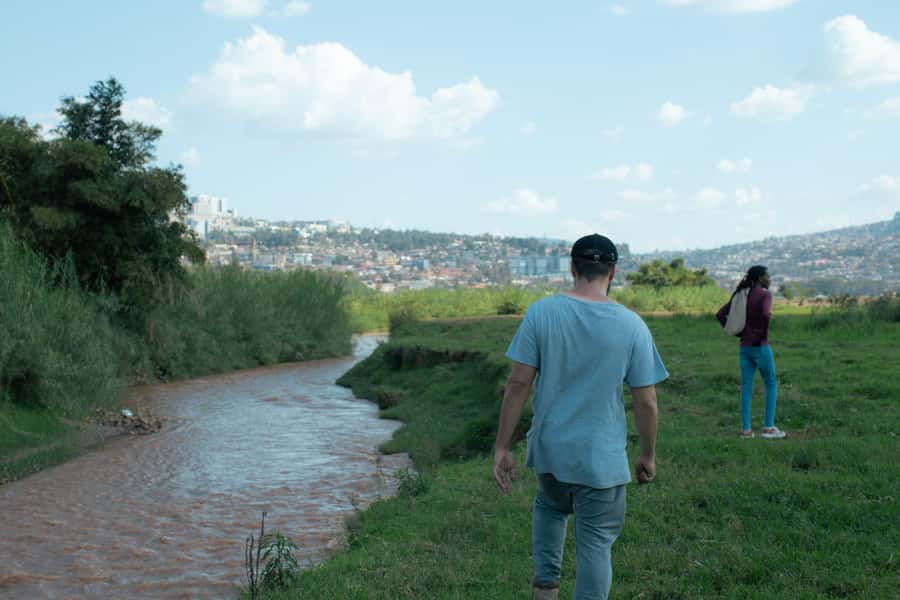
The Nyabugogo River is more than a starting point for the walk. It is presented as a key part of Gatsata’s origin and development, giving the opening section a clear sense of place.
At the river, your guide introduces the connection between water, settlement, and village life. You are not simply looking at a natural feature and taking a photograph. You are learning why this waterway matters to the community and how it fits into the story of Kigali.
The first stretch is also where the tour begins to show you the contrast between Kigali’s urban growth and the older village setting. Gatsata has a role in Rwanda’s development, and the walk uses the ground beneath your feet to explain that role.
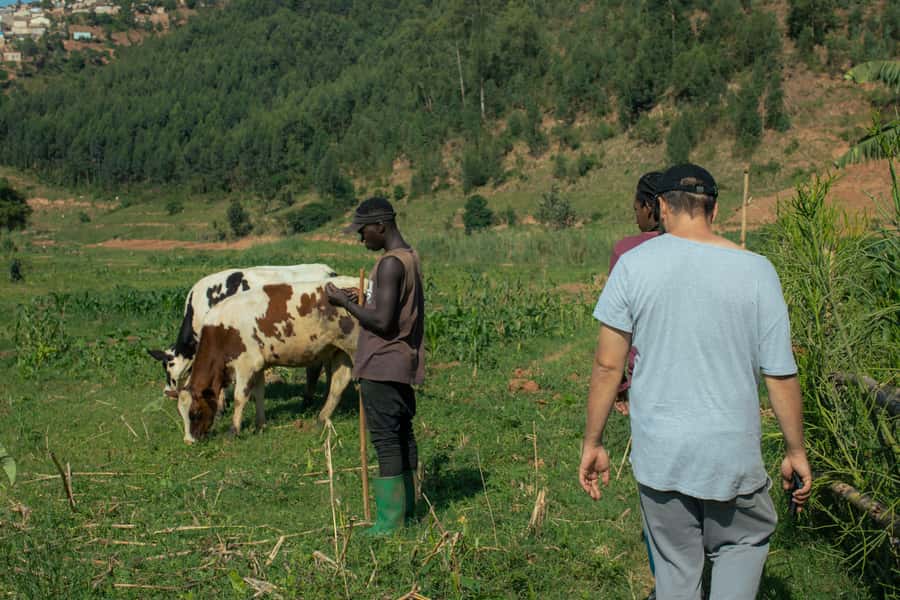
One especially important area near the river is now used for small crops of beans, maize, and sweet potato. It was once filled with homes. During the 1994 genocide against the Tutsi, those homes were destroyed and inhabitants were killed. That is a painful part of the area’s past, and it should be treated with care rather than turned into a quick sightseeing anecdote.
I appreciate that this stop can connect Rwanda’s national history with one specific place. You see how memory is held in an ordinary field and how daily farming continues on land marked by grief. The subject may feel heavy, but avoiding it would give you an incomplete picture of Gatsata.
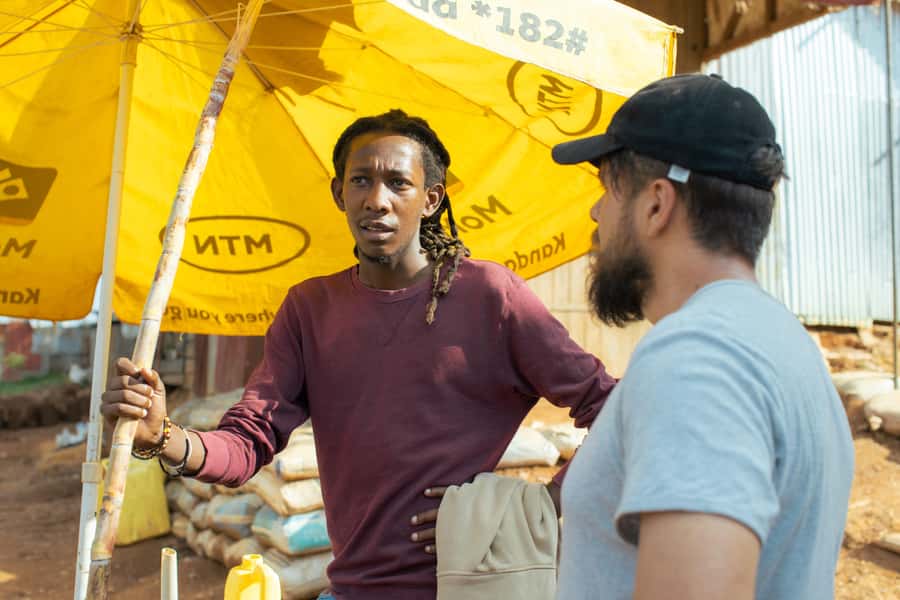
Expect the guide to shape this part of the walk. Shaffi, a local from Gatsata, has been able to point out places and share stories tied to his own community. That local connection can make the river section feel personal rather than textbook-like.
Walking through village paths and local life
From the river, the route heads toward Mount Jali through village areas and changing landforms. You will spend much of the tour walking, listening, and looking closely at the surroundings rather than checking off formal attractions.
That is the strength of this outing. You get a sense of how people live in and around Gatsata, how cultivated ground fits beside homes and paths, and how Kigali’s outer districts connect with the hills beyond them.
The route has been described as safe and varied, with several types of ground underfoot. I would still wear proper walking shoes rather than casual sandals. The surface may not be difficult for a fit person, but comfortable grip becomes useful on an uphill route.
This is also where you should keep the conversation going. The tour promises stories about traditions, village life, and Gatsata’s past and present. One guide has been praised for explaining plants and trees as well as people and culture. That suggests the walk can be broader than a history talk, especially if you take an interest in the natural setting.
At the same time, you should set realistic expectations. The storytelling may not always fill every quiet stretch with detailed folklore or customs. One account found the guide friendly and the walk enjoyable but wanted more detail about village traditions and community life. I see that as useful advice: the walk works best when you treat it as a conversation, not a stage performance.
Ask direct questions about farming, the meaning of local places, and how Gatsata fits into modern Kigali. A good guide can take those prompts and give you a fuller picture. If you prefer a tightly scripted historical tour, this may feel less polished.
The uphill route to Mount Jali
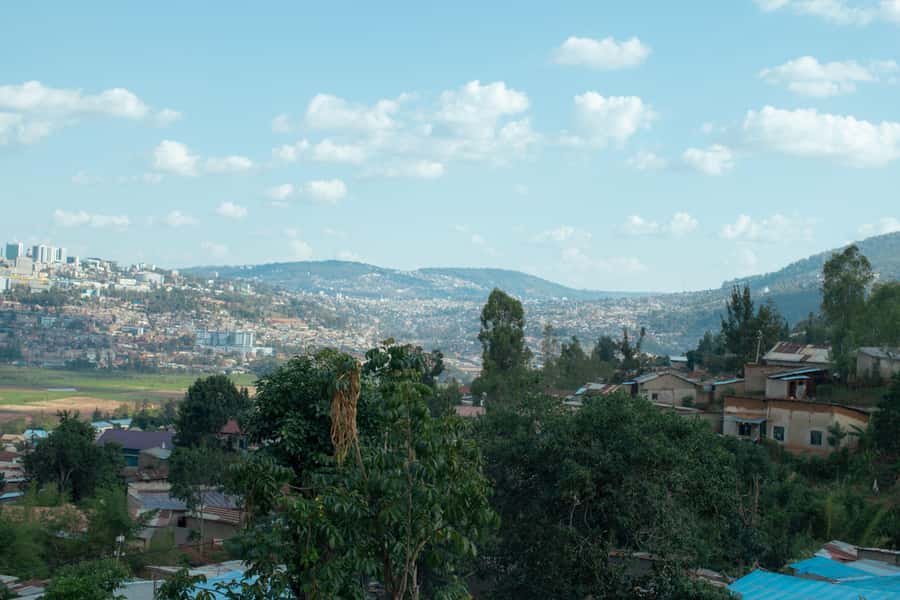
The climb toward Mount Jali is the physical center of the outing. It is described as moderate, but the route is not suitable for people with a low level of fitness. Children under 14 are also not accepted.
You do not need to approach this as a serious mountain expedition. Still, you should be comfortable walking uphill for part of three hours. Take a steady pace, drink water regularly, and tell your guide if you need a brief pause.
The climb brings a useful change in perspective. At river level, the focus is on settlement, memory, and community. Higher up, you begin to see how the hills shape Kigali and how the city spreads across its ridges and valleys.
The natural side of Mount Jali is part of the appeal. Your guide may point out plants, trees, and local environmental features along the route. That detail adds variety, especially if you enjoy identifying the living things around you rather than walking with your eyes fixed on the next slope.
Weather will affect the feel of the climb. Wear weather-appropriate clothing and use sunscreen even if the morning begins cool. A hat helps, and water is essential because no meal or drink is included.
A couple more Kigali trips worth comparing
- Kigali: Walking Tour with a Local Guide
★ 4.9 · 234 reviews - Kigali Walking Tour
★ 4.5 · 78 reviews - Rwanda Half-Day Walking Food Tour
★ 5.0 · 35 reviews - 1 Day Canopy Walk Adventure in Nyungwe Forest National Park
★ 5.0 · 32 reviews
Mount Jali views over Kigali
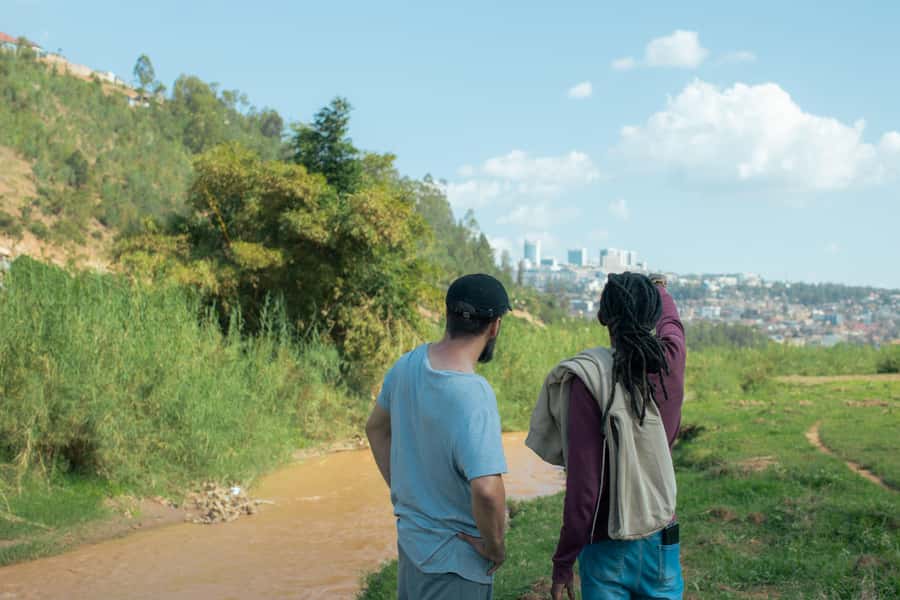
The summit or high point of Mount Jali provides the clearest reward: panoramic views of Kigali. After the climb, you can look back over the city and understand its hilly setting in a way that a car tour cannot provide.
I like this kind of finish because the view is earned. You have walked from a river with local meaning, through cultivated and settled areas, and up into a higher natural setting. The city below becomes part of the story, not just a backdrop.
The exact viewing conditions will depend on the weather. Clear skies should give you the best chance of seeing far across Kigali, while haze or cloud may soften the view. Either way, the stop offers a quiet pause after the more demanding part of the route.
Do not expect a long summit picnic. Meals are not included, and the tour is built around walking and guiding rather than a catered break. If you want food afterward, plan to return to Kigali with that in mind.
The guides can shape the whole experience
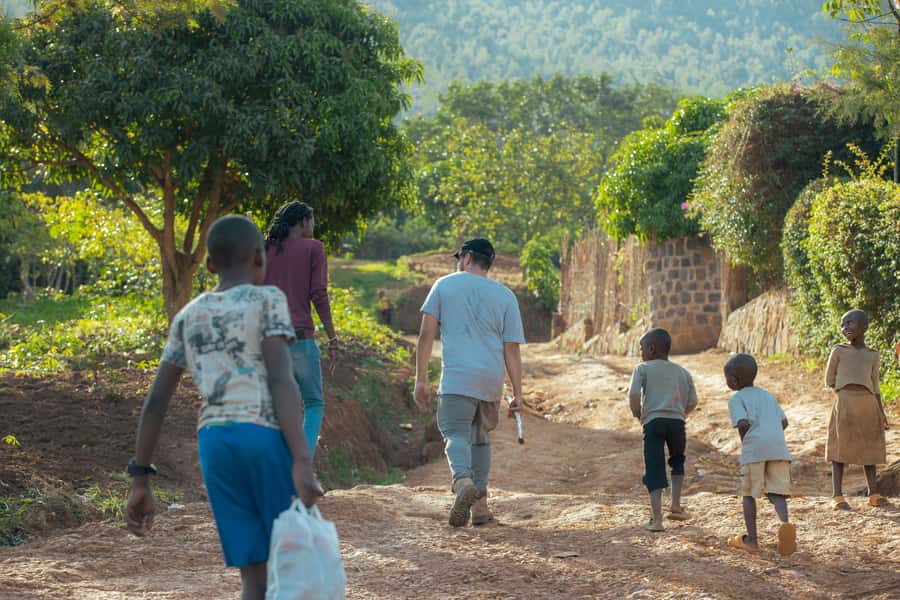
The most praised part of this walk is the human side. John has been described as patient, humble, passionate, and generous with information about plants, trees, people, and culture. That combination is valuable on a route without many formal signs or monuments.
Shadia and Latiff have also been praised for friendly guiding and clear explanations of the area’s history. Their ability to explain the route in an easy-to-follow way matters because the experience covers several subjects at once: Gatsata’s past, village life, local geography, plants, and Kigali’s development.
Shaffi brings a particularly strong local link because he is from Gatsata. He has been described as personable and able to show interesting places in the area. A local guide cannot erase the difficult parts of history, but he can help you understand how a community’s past and present sit side by side.
The main weakness is inconsistency in how much detail you may receive. The guide’s personality appears to be a strength, but the amount of formal storytelling may depend on who leads your walk and how much you ask. I would request the guide’s name at booking or at the meeting point, then explain what interests you.
If you care most about botany, say so. If you want more on customs, ask for that. If the genocide history feels important to you, ask the guide to explain the local context with the time and care it deserves.
Is $39 a fair price?
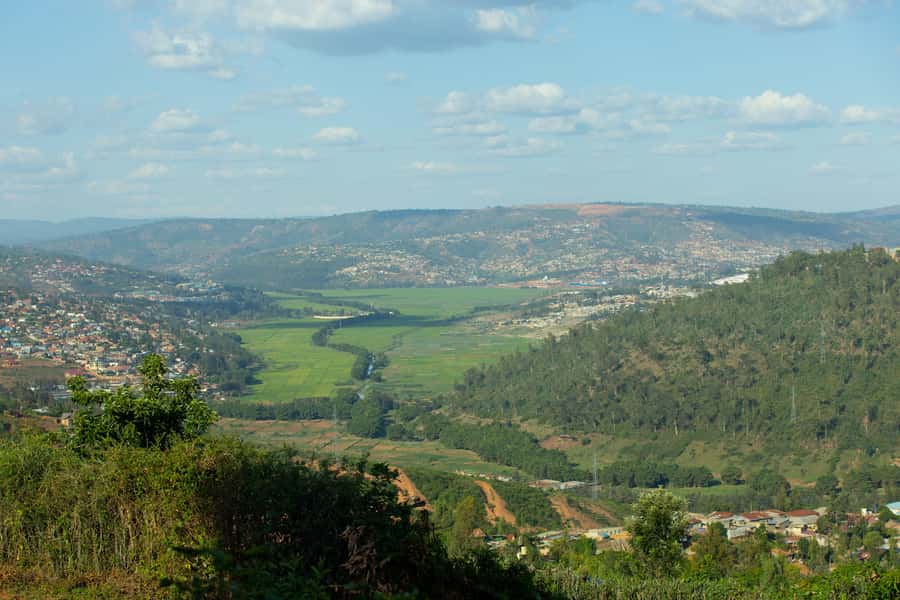
At $39 per person, the price is reasonable if you value a local guide and a route that combines culture, history, nature, and exercise. You are paying for three hours of guiding, the walk from the Nyabugogo River to Mount Jali, historical and cultural interpretation, and the mountain views.
The price does not cover transport to or from the activity site, meals, drinks, or personal expenses. That is the key calculation. Your real cost will be higher once you add the journey from Kigali Heights and anything you eat or drink afterward.
Compared with a simple independent walk, $39 may seem high. The difference is the interpretation. Without a guide, you could walk through the area and enjoy the views, but you would miss much of the connection between the river, Gatsata’s past, the farming ground, and Mount Jali.
The value is strongest when the guide gives you detailed, personal explanations. It is weaker if you receive only a basic walk with limited village stories. That is why your questions matter so much.
The option to reserve now and pay later gives you some useful flexibility. You can also cancel up to 24 hours before the activity for a full refund. Starting times vary, so check the available morning and afternoon departures before you commit.
Who should book this Kigali walk?
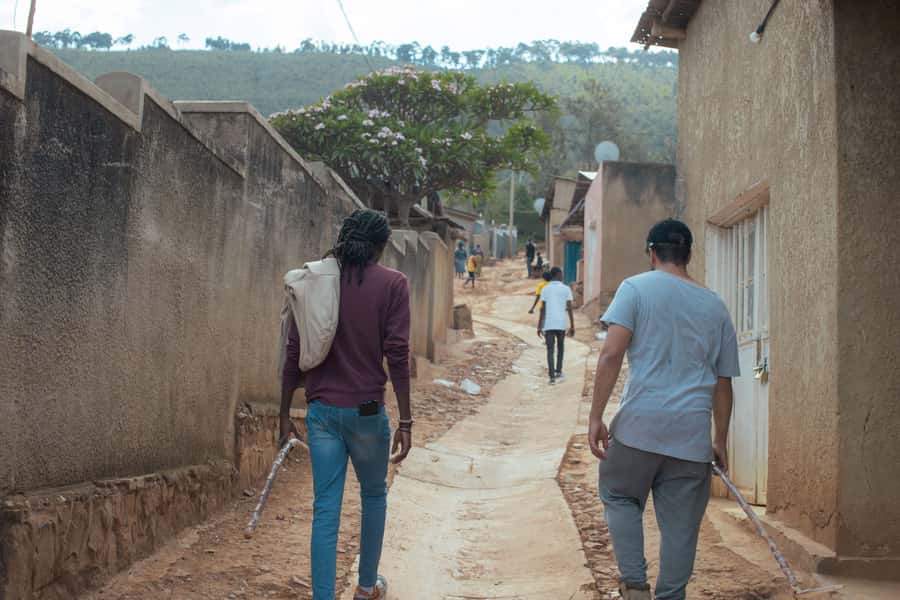
I would recommend this tour to adults and older teenagers who are comfortable walking uphill and want to see a side of Kigali beyond the main city sights. It suits you if you enjoy local conversations, community history, nature, and views more than polished attractions.
It is also a good fit if you want a gentle introduction to Rwanda’s difficult past in a specific local setting. The subject is serious, and the walk does not treat history as a distant museum display. You encounter places connected with real homes, families, and loss.
You may want another activity if you have low fitness, dislike hills, or need a stroller. Baby strollers and baby carriages are not allowed, and children under 14 cannot join.
I would also hesitate to recommend it to someone seeking a fully scripted cultural lecture. The guide may be excellent, but the storytelling can be lighter than expected. For the best result, bring curiosity and speak up.
Practical tips for a better walk
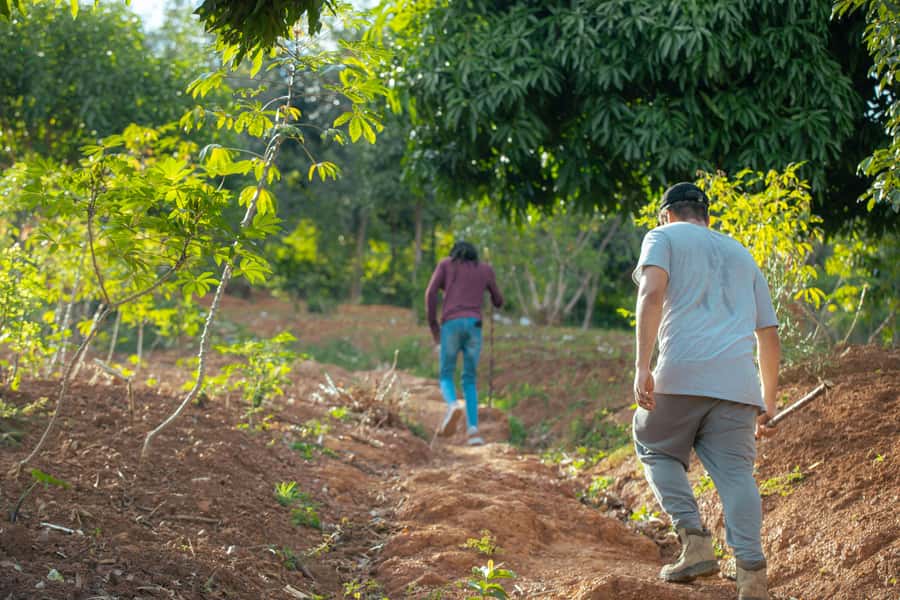
Wear comfortable shoes with a secure sole. The route includes uphill walking and varied ground, so your feet will appreciate real support.
Bring water, sunscreen, and a hat. You should also wear clothing that suits the day’s weather and allows easy movement.
Arrive at Kigali Heights ready to clarify the transfer to the activity site. Since transport is not included, do not assume the meeting point is the exact walking start.
Choose morning or afternoon according to your energy, weather preference, and Kigali schedule. A cooler departure may make the climb easier.
Keep your camera available, but give the guide your attention during the river and village sections. The best parts of this walk are not only the views. They are the explanations that give those views meaning.
Should you book it?
Book this walk if you want a personal route through Gatsata, a moderate hill walk, and a clear view over Kigali at the end. The local guides are the strongest reason to go, especially if you can walk with John, Shaffi, Shadia, or Latiff and take an active role in the conversation.
Skip it if you need transport included, dislike uphill walking, or want a detailed, carefully scripted account of every local tradition. At $39, the experience offers good value when the guiding is lively and specific. Go prepared with water, comfortable shoes, and questions, and you are more likely to get the thoughtful look at Gatsata that this walk promises.
FAQ
Where does the tour meet?
The meeting point is at Kigali Heights. From there, you move to the activity site. Transportation to and from the activity location is not included.
How long does the walk take?
The guided activity lasts three hours. Starting times are available in the morning and afternoon, depending on availability.
What language is the tour conducted in?
The live tour guide speaks English.
Is the walk physically demanding?
The tour involves moderate physical activity and includes walking uphill toward Mount Jali. It is not suitable for people with a low level of fitness.
Can children join the tour?
Children under 14 are not permitted. Baby strollers and baby carriages are also not allowed.
What should I bring?
Bring comfortable walking shoes, a hat, sunscreen, and water. You should also wear clothing suitable for the weather.
Recently added in Kigali
- Vegan Fine Dining Experience★ 5.0 · 5 reviews
- Walking Food Tour in Remera and Kigali★ 5.0 · 4 reviews
- 2 Days Mountain Gorilla Safari Rwanda★ 5.0 · 4 reviews
- Traditional Drumming and Dancing Class★ 5.0 · 2 reviews
- Gorilla Trekking Adventure – A Day trip (Only transfer)★ 5.0 · 2 reviews
- Rwanda One Day Gorilla Trekking with Iby’iwacu Culture Visit★ 5.0 · 2 reviews
- Private Transfer from Kigali Airport (KGL) to Kigali★ 4.0 · 5 reviews
- One Day Mount Bisoke Hike Adventure Tour in Volcanoes Park★ 4.5 · 4 reviews
Nyamirambo & Neighbourhood Walks, compared.
Mount Kigali and Cultural Village Tour with Snacks
Read our review →
Mount Kigali Hike and Zipline Adventure Tour(Pick up &drop off)
Read our review →
Browse the lists this tour appears in