
Review · KIGALI TOURS
A Day in the Life of a Local Artisan
Rwanda gets personal here. This small-group day near Kigali takes you into a rural community to work, eat, and talk alongside local artisans. I like the mix of practical activities, from hoeing and planting to fetching water and preparing food, and I like that the day ends with a two-hour weaving lesson rather than a quick craft demonstration. The main thing to consider is the physical side: uneven ground, farm work, walking, and water collection call for moderate fitness.
The visit is operated by Azizi Life and costs $90 per person for about eight hours. Lunch, bottled water, a local guide, a host, gratuities, and return transport from Muhanga Town to the village are included. Transport from Kigali is not included in the listed price, though it can be arranged for an additional charge, so check this carefully before booking.
In This Review
- Key things to know before you go
- From Kigali to Rwanda’s rural heart
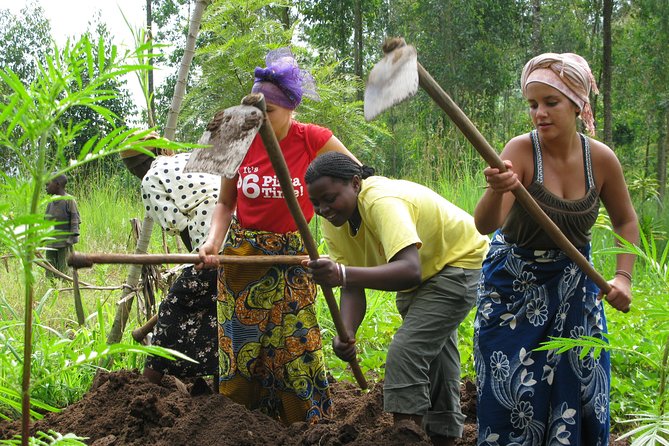
- Meeting the artisans and starting with farm work
- Fetching water and helping prepare lunch
- Lunch with the family, not just lunch near the family
- The two-hour sisal weaving lesson
- What makes Azizi Life different
- Is $90 a fair price?
- Who will enjoy this day most?
- Practical advice for a respectful visit
- Should you book A Day in the Life of a Local Artisan?
- FAQ
- Where does the experience begin?
- Is transportation from Kigali included?
- What transportation is included?
- How long does the experience last?
- What food is served for lunch?
- Is weaving included?
- Can children take part?
Key things to know before you go
- A small rural visit near Muhanga: You spend the day with a local family or artisan cooperative rather than simply observing from a vehicle.
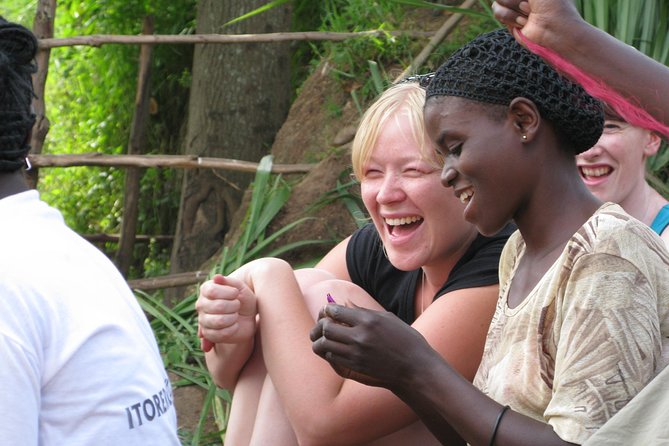
- Real household work: Activities can include hoeing a garden, planting crops, collecting water, cutting grass for cows, preparing food, and making crafts.
- A proper local lunch: The meal is vegetarian and may include familiar Rwandan staples such as cassava and beans.
- Two hours of one-to-one weaving: You receive instruction in making a simple item from sisal.
- A useful cultural exchange: Time at lunch allows you to ask about community life and share stories about your own home.
- Limited participation: The experience is limited to six people and requires at least two people per booking.
From Kigali to Rwanda’s rural heart
The day begins with a briefing before the drive toward the village. The stated meeting point is on NR1 in Gitarama, also known as Muhanga, rather than in central Kigali. That detail matters. If you are staying in Kigali, you need to arrange your own way to Muhanga or request additional transport through Azizi Life.
The drive from Kigali toward the countryside can take about an hour, according to the available tour details, but your exact timing will depend on where you begin and how transport is arranged. One account describes an early pickup at 7:45, while the published opening window is 8:00 to 11:00. Confirm your start time directly when you book.
This early part of the day is more than a transfer. One guide, Richard, used the drive to talk about his family, the 1994 genocide, and the difficulty of finding work. You should not expect every guide to offer the same conversation, but the ride can provide a useful introduction to modern Rwandan life before you reach the community.
The group size is limited to six. That is a real advantage for this sort of visit. A smaller group makes it easier to work beside your hosts, ask questions, and avoid turning a family home into a stage. It also makes the weaving instruction more practical.
A couple more Kigali trips worth comparing
- Kigali City Tour
★ 5.0 · 452 reviews - Kigali: Walking Tour with a Local Guide
★ 4.9 · 234 reviews - One-day Akagera National Park Game Drive with a Choice 4×4
★ 5.0 · 105 reviews
Meeting the artisans and starting with farm work
At the village, you receive a welcome from local artisans and begin with subsistence farming. Depending on the day and the community, you might hoe a garden or help plant crops. Other activities described for the visit include cutting grass for cows.
This is not a polished rural show built around a single photo opportunity. The appeal is that you are given simple tasks connected to daily work. Even a short time with a hoe can change how you see the effort behind a meal or a basket sold in a shop.
You should keep your expectations sensible. One day will not make you a farmer, and you will not experience every part of village life. The value comes from doing enough to gain a better sense of routine, labor, and cooperation.
Wear clothing that can handle dirt and movement. The surfaces are uneven, and the experience calls for moderate physical fitness. Children can take part, but they must be accompanied by an adult. The child rate applies only when a child shares with two paying adults.
Fetching water and helping prepare lunch
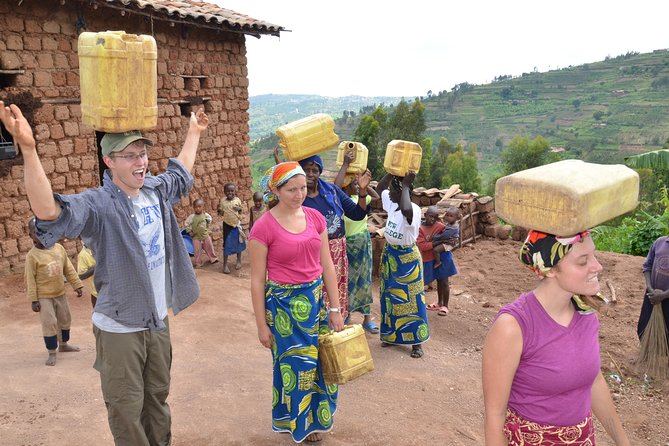
The day continues with a chance to fetch water and help with food preparation. These tasks are among the most revealing parts of the visit because they connect household routines with time, effort, and community life.
You may have seen water collection presented as a photo stop elsewhere. Here, it is framed as one part of the work that must be done before a meal can be served. Carrying water, even briefly, gives you a small physical sense of a task that many households handle as part of ordinary life.
Food preparation adds another layer. You are not simply handed a plate and told what it contains. You can take part in making food the family would normally eat, with help from your hosts and guide.
The available details specify a vegetarian Rwandan lunch, including cassava and beans. That makes the meal suitable for many people, but you should still tell the operator about dietary needs when booking. No separate menu or allergy policy is provided.
Lunch with the family, not just lunch near the family
After the morning work, lunch is served and you have about an hour to eat and talk. The meal is important, but the conversation is just as valuable.
You can ask about life in the community, the cooperative, farming, craft work, or family routines. Your hosts may also ask about life in your home country. That two-way exchange helps keep the visit human. You are not only receiving information. You are sharing some of your own world too.
Several accounts describe the hosts as warm, patient, generous, and good-humored. Theogene and Rose are named as particularly welcoming hosts in one account. An interpreter also accompanied one participant throughout the day, helping conversations flow with a women’s cooperative.
Do not assume every conversation will be effortless. Language support is not described in full, and the quality of interpretation may vary by group and guide. Still, the structure of the day gives you time for conversation instead of rushing from one activity to the next.
Further into the hills, and a longer day:
- Private Full-day Kigali City Tour with Pickup and Lunch
★ 5.0 · 79 reviews - Kigali Walking Tour
★ 4.5 · 78 reviews - Kigali E-Bike City Tour with Breakfast
★ 4.9 · 73 reviews - Private 1 Day Akagera Big Five Safari with pick up and lunch.
★ 5.0 · 72 reviews
The two-hour sisal weaving lesson
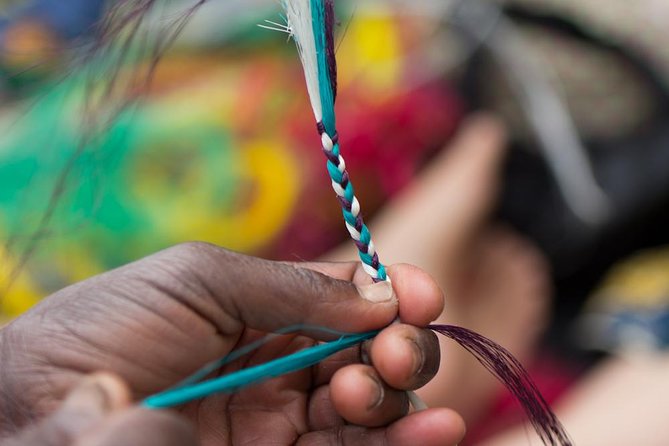
The craft portion is the most focused part of the day. After lunch, you receive about two hours of one-to-one instruction in weaving a simple item from sisal.
That length of instruction makes a difference. You get time to handle the material, follow the method, make mistakes, and understand how much patience goes into a finished basket, piece of jewelry, or other woven item. This is hands-on teaching, not a short performance with a chance to take a photograph.
The craft also gives useful context to the gift shop. Items made by the artisans can be purchased before you leave, but purchases are not included in the $90 price. Buying something directly from the family or cooperative can be a meaningful way to support the work, though you should treat it as an optional extra rather than part of the tour cost.
Not every visit appears to follow exactly the same craft tradition. One account describes spending the day with a skilled potter, collecting clay from a nearby river and making a chosen object. Other accounts focus on woven baskets and jewelry. The published schedule specifically promises sisal weaving, so pottery should be viewed as a possible variation in the wider Azizi Life program, not a guaranteed part of this booking.
What makes Azizi Life different
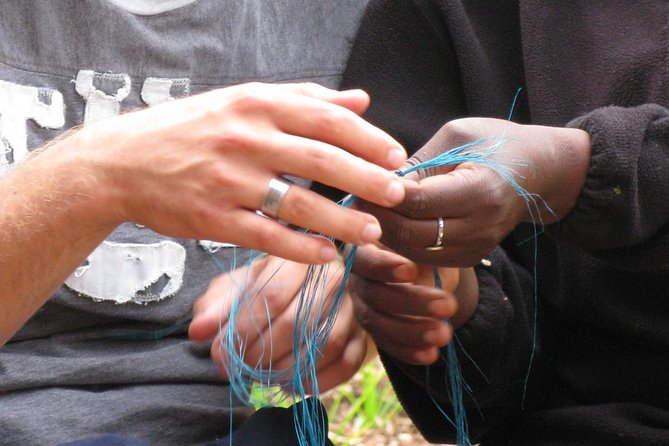
The strongest part of the day is the balance between work and fellowship. You are not placed behind a barrier while someone explains rural life. You walk with the women, help with chores, prepare food, make crafts, and share conversation.
The women’s cooperatives are a central part of the experience. Their work includes woven goods such as baskets and jewelry, and the day gives you a closer look at how craft production fits alongside farming and household duties.
Music and dancing may also be part of the visit. Accounts describe singing, dancing, laughter, and relaxed conversation. These moments can be fun, but they should not distract from the more useful parts of the day: learning how work is organized and hearing about the people who live there.
Azizi Life also offers related activities, including a traditional coffee experience and longer stays. Some people have combined their day visit with an overnight stay or a full week at the organization’s accommodations. Those extras are not included in this eight-hour booking, so do not assume that lodging or coffee preparation is part of the standard itinerary.
Is $90 a fair price?
At $90, this is not the cheapest way to spend a day outside Kigali. The price becomes easier to justify when you count what is included: a guide, host, lunch, bottled water, gratuities, and return transport from Muhanga Town to the village.
You are also paying for a small group and a structured exchange with a local family or cooperative. The two-hour weaving lesson adds more value than a standard craft-shop visit, especially if you want to learn rather than simply buy.
The price does not include transport from Kigali. This is the main cost question for many people. If you need a private transfer from Kigali, your total will be higher. Ask for the full amount before confirming so you can compare it with other day trips.
For families, students, and small groups, the value may be stronger. Group discounts are available, and the experience has worked well for teenagers aged 17 and 18. A minimum of two people per booking means solo visitors cannot book it alone under the stated terms.
Who will enjoy this day most?
I would recommend this for you if you want contact with everyday rural life and are willing to participate respectfully. It suits first-time visitors who want an introduction to Rwanda beyond Kigali’s museums, cafés, and city streets.
Families can enjoy the practical tasks, though younger children may find farm work and a long weaving lesson tiring. Teenagers and older children may get more from the craft and conversations, especially when an adult helps them stay engaged.
Students, couples, and small private groups are also a good fit. The private format means only your group participates, which can make personal questions and sensitive subjects easier to handle.
This is less suitable if you want a relaxed sightseeing day with little physical effort. Uneven surfaces, outdoor chores, and water collection are part of the point. You should also be comfortable entering a working community without expecting every moment to be arranged for photographs.
Service animals are allowed, but the uneven surfaces may still create practical challenges. Check the details with the operator before arrival.
Practical advice for a respectful visit
Bring clothes and shoes suited to farm work and uneven ground. You will want to stay comfortable while hoeing, walking, collecting water, and handling craft materials.
Ask before photographing people, homes, work, or children. The best moments often come from conversation and shared work, not from treating the community as scenery.
Bring curiosity, but avoid turning the day into an interview. Your hosts may ask about you too, so be ready to share simple details about your own home and daily routines.
Keep some extra money for the gift shop. Handicrafts are not included, and the chance to buy directly from the artisan group is one of the natural endings to the visit.
Finally, confirm the pickup plan. The listed start is NR1 in Gitarama, and the included transport covers the village transfer from Muhanga Town. Kigali transport requires a separate arrangement and charge.
Should you book A Day in the Life of a Local Artisan?
Book it if you want a thoughtful, active day built around people rather than monuments. The warm hosts, small group, local meal, farm work, and patient weaving lesson create a strong introduction to rural Rwanda.
Skip it if you want guaranteed sightseeing, a light schedule, or a fully inclusive Kigali pickup. The physical work is real, the meeting point needs attention, and the gift shop costs extra.
For most visitors who can manage the logistics and approach the day with respect, this is a good use of one day near Kigali. You leave with more than a souvenir. You gain a clearer sense of the work, hospitality, and cooperation that shape daily life in a Rwandan village.
FAQ
Where does the experience begin?
The stated meeting point is NR1 in Gitarama, Rwanda. The activity ends back at the meeting point.
Is transportation from Kigali included?
No. Transport from Kigali is not included in the listed price, but it can be arranged on request for an additional charge.
What transportation is included?
Return transport from Muhanga Town to the village is included.
How long does the experience last?
The activity lasts approximately eight hours.
What food is served for lunch?
Lunch is local Rwandan food that the family would normally eat. It is prepared as vegetarian food, with examples including cassava and beans.
Is weaving included?
Yes. The schedule includes about two hours of one-to-one instruction in weaving a simple item from sisal.
Can children take part?
Yes, but children must be accompanied by an adult. The child rate applies only when sharing with two paying adults.
Recently added in Kigali
- Vegan Fine Dining Experience★ 5.0 · 5 reviews
- Walking Food Tour in Remera and Kigali★ 5.0 · 4 reviews
- 2 Days Mountain Gorilla Safari Rwanda★ 5.0 · 4 reviews
- Traditional Drumming and Dancing Class★ 5.0 · 2 reviews
- Gorilla Trekking Adventure – A Day trip (Only transfer)★ 5.0 · 2 reviews
- Rwanda One Day Gorilla Trekking with Iby’iwacu Culture Visit★ 5.0 · 2 reviews
- Private Transfer from Kigali Airport (KGL) to Kigali★ 4.0 · 5 reviews
- One Day Mount Bisoke Hike Adventure Tour in Volcanoes Park★ 4.5 · 4 reviews
Kigali Tours, compared.


One-day Akagera National Park Game Drive with a Choice 4×4
Read our review →
Private Full-day Kigali City Tour with Pickup and Lunch
Read our review →

Private 1 Day Akagera Big Five Safari with pick up and lunch.
Read our review →
Mount Kigali and Cultural Village Tour with Snacks
Read our review →Browse the lists this tour appears in